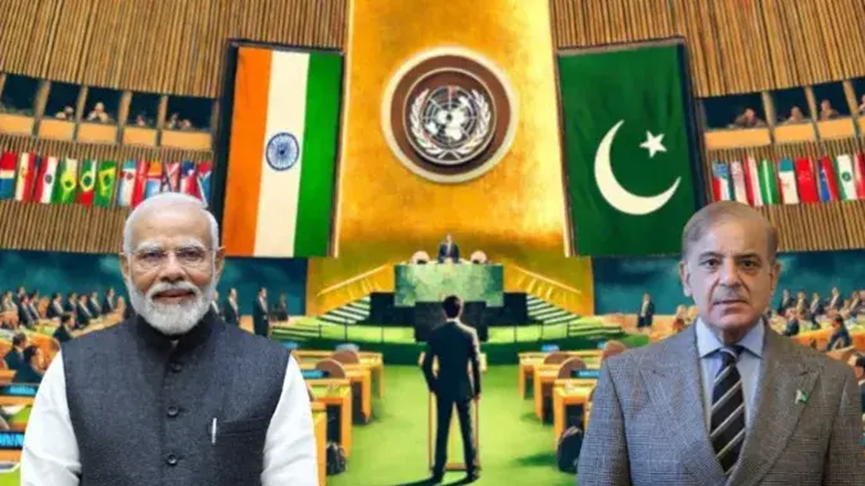
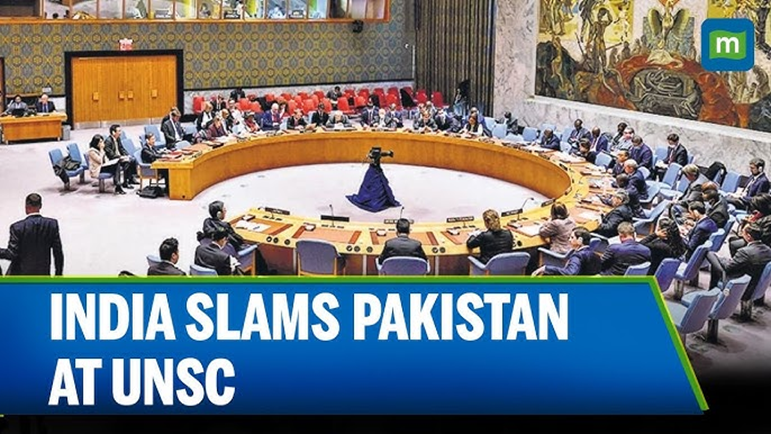
India delivered a strong response to Pakistan at the United Nations, blaming it for violating the spirit of the Indus Waters Treaty (IWT) by launching wars and conducting thousands of terror attacks over the decades. India’s Permanent Representative, Ambassador Parvathaneni Harish, while addressing a UN Security Council Arria Formula meeting on water protection during armed conflict, dismissed what he called Pakistan’s ”disinformation” on the 1960 treaty.
India Calls Out Pakistan’s Hypocrisy And Terror Sponsoring At United Nations
Why In News
- India delivered a strong response to Pakistan at the United Nations, blaming it for violating the spirit of the Indus Waters Treaty (IWT) by launching wars and conducting thousands of terror attacks over the decades. India’s Permanent Representative, Ambassador Parvathaneni Harish, while addressing a UN Security Council Arria Formula meeting on water protection during armed conflict, dismissed what he called Pakistan’s ”disinformation” on the 1960 treaty.
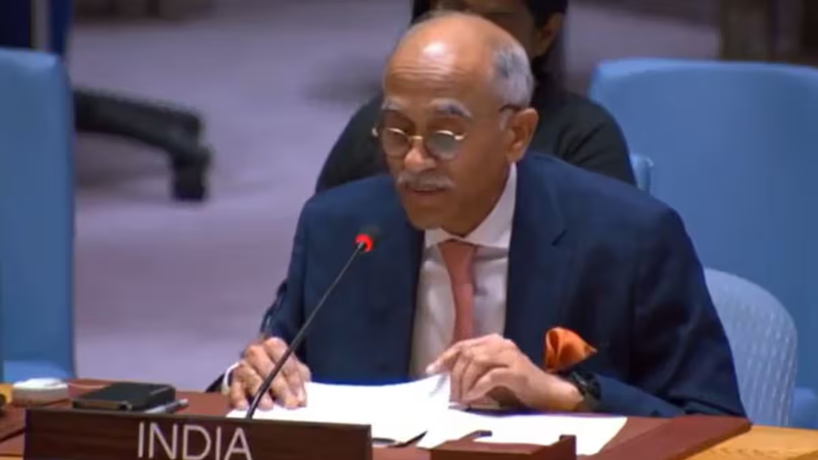
Ambassador Parvathaneni Harish
- “More than 20,000 Indian lives have been lost due to cross-border terrorism in the last four decades,” Harish mentioned, highlighting the recent Pahalgam terror attack in which 26 civilians were killed. He reminded Pakistan of its continued aggression against India. He pointed out that despite entering into the IWT in good faith, ”Pakistan has repeatedly violated its spirit by inflicting three wars and sponsoring decades of terrorism.”
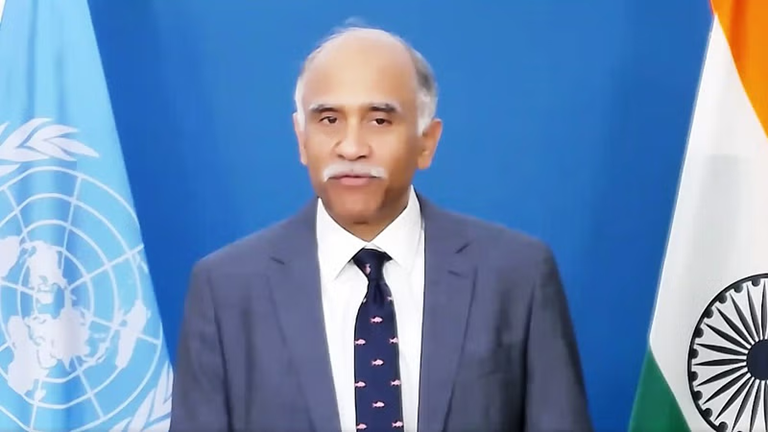
- Harish was addressing the UNSC open debate on “Addressing emerging threats, ensuring safety of civilians, humanitarian and UN Personnel, journalists and media professionals and enhancing accountability mechanisms” under the agenda item “Protection of Civilians in Armed Conflict”.
- Earlier, Pakistan’s Ambassador at the UN Asim Iftikhar Ahmad, in his remarks at the debate, raised the Kashmir issue and spoke about the recent conflict between India and Pakistan. In a strong response, Harish said India has experienced decades of “Pakistani-sponsored terrorist attacks across our borders”.
- “This has ranged from the horrific 26/11 attack on the city of Mumbai to the barbaric mass murder of innocent tourists in Pahalgam in April 2025. The victims of Pakistani terrorism have been predominantly civilians, since its objective has been to attack our prosperity, progress and morale. For such a nation to even participate in a discussion on protection of civilians is an affront to the international community,” Harish said.
- He added that Pakistan has repeatedly used civilian cover to advance the cause of terrorism. “We just recently saw senior government, police and military officials pay respects at the funeral of noted terrorists targeted by Operation Sindoor. A nation that makes no distinction between terrorists and civilians has no credentials to speak about protecting civilians,” he said.
- Further, India told the Security Council that earlier this month, the Pakistani Army deliberately shelled Indian border villages killing more than 20 civilians and injuring more than 80. “There was intentional targeting of places of worship, including gurudwaras, temples and convents, as well as medical facilities. To preach at this body after such behaviour is grossly hypocritical.
- “Let us be clear. Protection of civilians should not serve as an argument for protection of UN-designated terrorists. The international community must come together on zero tolerance for terrorism and calling out those who sponsor and defend it,” Harish said.

India Highlights Four Major Aspects
- Violation of treaty spirit-Pakistan has waged three wars and has supported decades of terrorism against India, violating the trust of the treaty.
- Obstruction to treaty modernization-Despite India requests to make changes of outdated provisions to reflect modern realities like dam safety and clean energy, Pakistan has constantly blocked the dialogue.
- Threats to civilian infrastructure: Terror attacks like the strike on the Tulbul Navigation Project display Pakistan-linked militancy strikes water-related infrastructure.
- Continued use of terrorism under the civilian cover: Pakistan uses civilian platforms to cover its terrorist activities.
India Demands An End To Supporting Terror
- In response to the April 22 Pahalgam attack, India declared the suspension of the Indus Waters Treaty. However, the decision is not final and depends on Pakistan’s response. ”We are pausing our commitment to the Indus Water Treaty. But we might reconsider or reinstate it if Pakistan genuinely and permanently stops terrorism against India,’’ India stated.
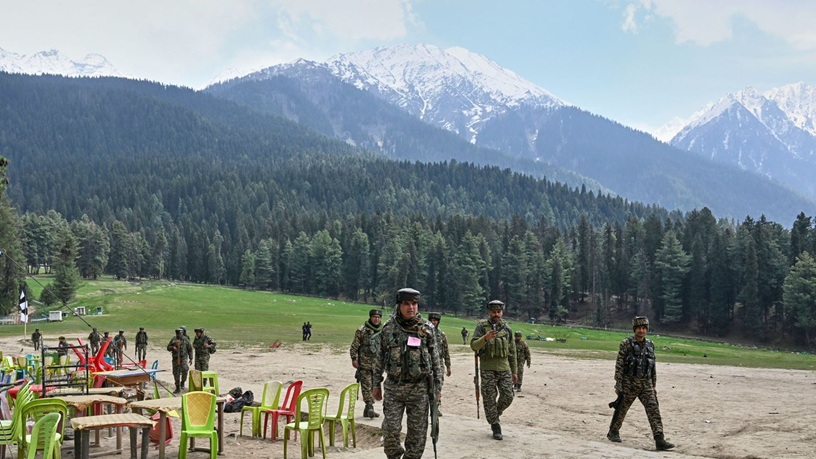
- Ambassador Harish further stated that India had formally requested updates to the treaty in view of current needs, including climate pressures, clean energy demands, and dam safety. Yet Pakistan has blocked all such proposals, even while allowing attacks like the one on the Tulbul Navigation Project in 2012.
- In a separate UN debate on civilian safety in conflict zones, Harish criticised Pakistan for bringing the Kashmir issue while turning a blind eye to terrorism. ‘’A country that makes no distinction between terrorists and civilians has no standing to speak on protecting civilians,’’ he stated, citing attacks from 26/11 Mumbai to Pahalgam. highlighted that the Pakistani Army deliberately shelled Indian border villages earlier this month killing civilians and intentionally targeted places of worship.
- Tension continues to be high following India’s precision attack under Operation Sindoor, and although military hostilities have ceased, the diplomatic disagreement continues.
Concluding Statement
- Harish concluded by stressing that the suspension of the treaty was a consequence of ongoing provocations and Pakistan’s refusal to cease its support for terrorism.
- “It is against this backdrop that India has finally announced that the treaty will be in abeyance until Pakistan, which is a global epicentre of terror, credibly and irrevocably ends its support for cross-border terrorism,” Harish added. The ambassador’s remarks reflect New Delhi’s growing impatience with Islamabad’s pattern of using international platforms to deflect attention from its own egregious human rights record and its well-documented support for terrorist groups.
- As the world confronts complex threats to civilian lives in conflict zones, India’s intervention served as a stark reminder that genuine commitment to humanitarian principles must begin with accountability, something Pakistan has repeatedly failed to uphold.