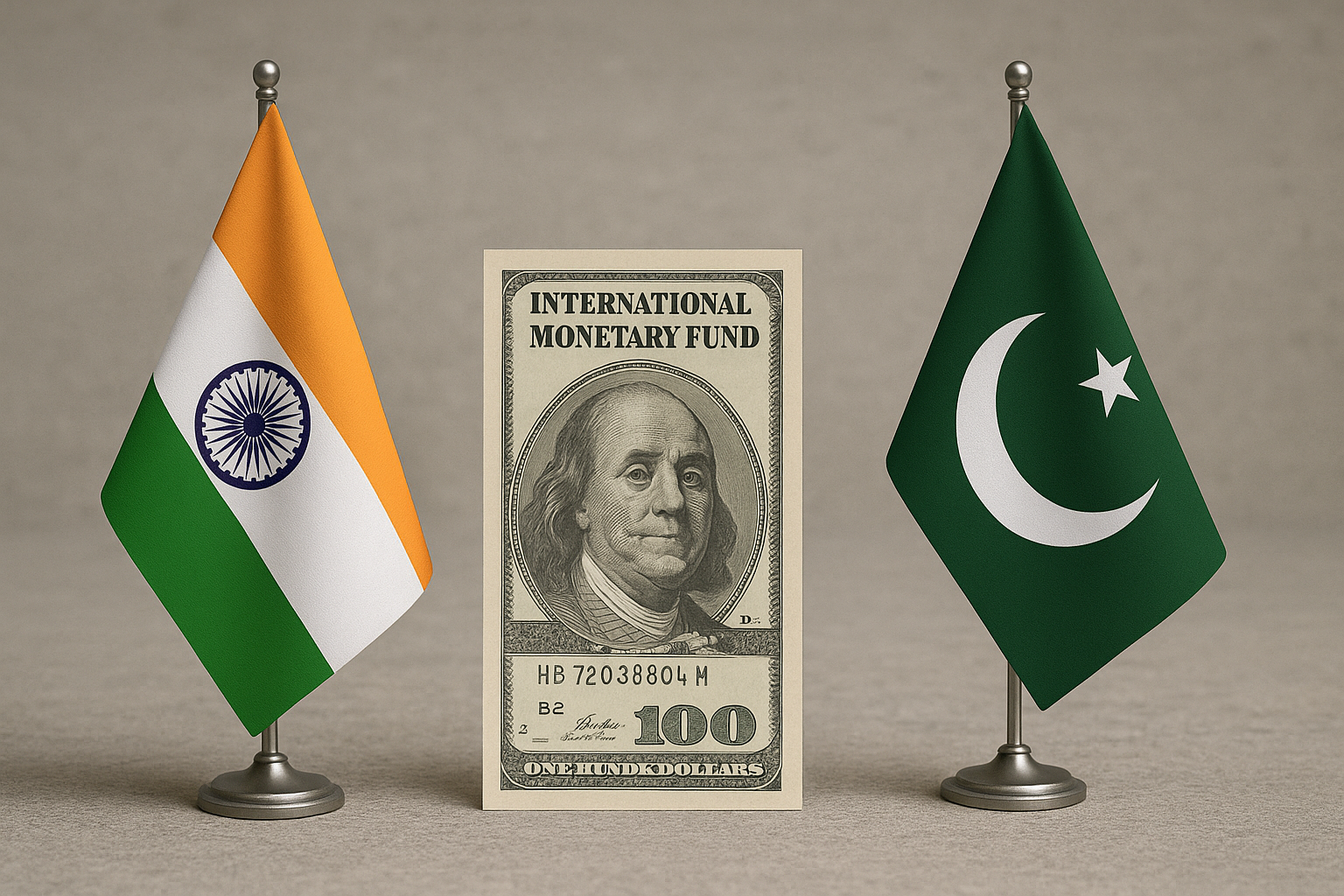
In a notable shift in its diplomatic posture, India is reportedly contemplating opposing a proposed $1.3 billion loan to Pakistan from the International Monetary Fund (IMF). This development highlights the escalating tensions between the two neighboring nations in South Asia.
The situation follows India’s recent decision to suspend the dispute resolution process related to the Indus Waters Treaty, which it attributes to Islamabad’s alleged use of multilateral forums and legal mechanisms as tools for political leverage. The treaty, established in 1960 with the involvement of the World Bank, governs the distribution of water from six rivers in the Indus Basin, a vital resource for both countries.
Senior Indian officials have indicated that the potential objection to the IMF loan aims to spotlight what New Delhi sees as Pakistan’s misuse of international institutions. “Pakistan cannot seek financial relief from the very institutions it simultaneously tries to manipulate against India,” stated a high-ranking government source.
The IMF’s Executive Board is set to consider the bailout package for Pakistan in the coming weeks. Although India does not hold a direct voting seat on the IMF board, it can exert influence through its relationships with other significant stakeholders.
Analysts interpret India’s strategy of suspending treaty talks alongside targeting international financial assistance as a deliberate approach to hold Pakistan accountable for a perceived pattern of “diplomatic hostility and legal obstructionism.”
As Pakistan grapples with an acute economic crisis characterized by soaring inflation and diminishing foreign reserves, it views the impending IMF bailout as essential for economic stabilization.
As tensions persist in the region, observers caution that further diplomatic escalation could potentially yield broader geopolitical consequences, particularly with major global powers closely scrutinizing developments in South Asia.