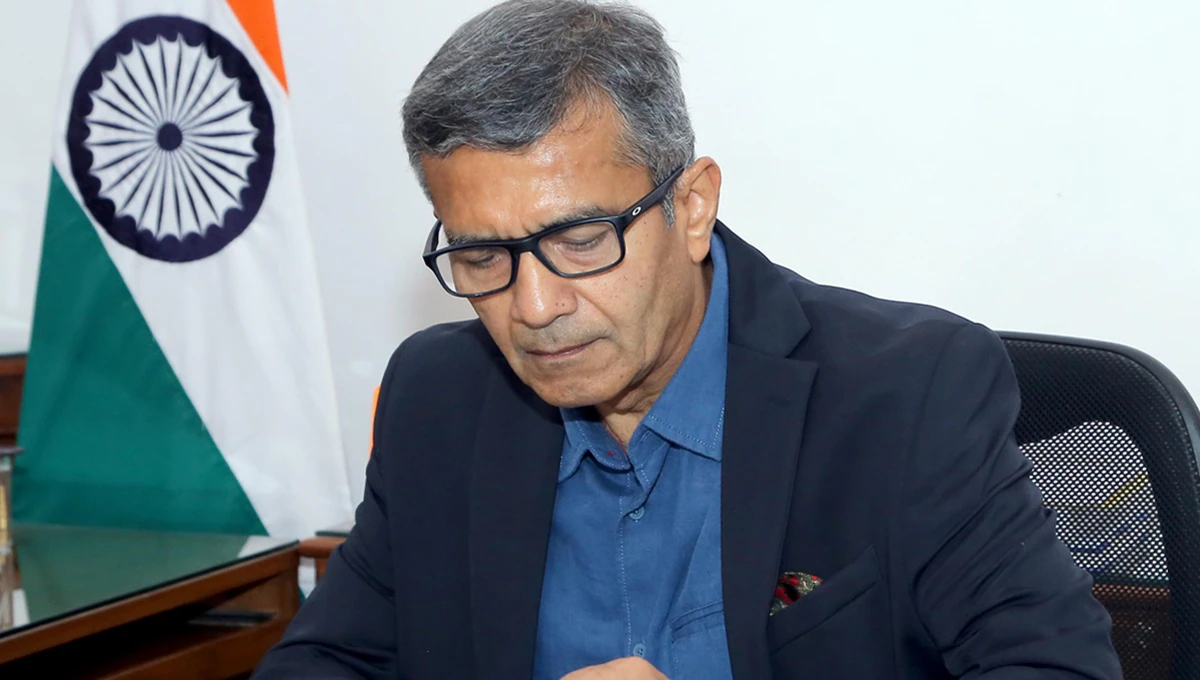
In a significant development highlighting India’s shifting security dynamics, Defence Secretary Rajesh Kumar Singh announced potential plans for a 20% increase in the defence budget for the fiscal year 2025–26, a move that doubles the customary annual rise of approximately 10%. This announcement is set against an intricate backdrop of geopolitical uncertainty and escalating border tensions, underpinning the urgent need for accelerated military modernization and greater self-reliance.
Currently, India allocates around 1.9% of its GDP to defense spending. Officials assert that this figure must be enhanced to align with the demands of capability development, technological advancements, and the evolution of warfare. In the most recent Union Budget, over ₹6.8 lakh crore was dedicated to defence, with a substantial ₹1.8 lakh crore earmarked specifically for modernization efforts.
The proposed budgetary increase aims to ensure that ongoing and planned capability enhancements are fully funded. This includes investments in advanced weaponry, aircraft, naval assets, cyber warfare systems, and enhanced infrastructure for frontline troops. Singh pointed out that a major emphasis will be placed on domestic expenditure, aligning with the government’s Atmanirbhar Bharat initiative, which seeks to bolster indigenous manufacturing in the defense sector.
Singh reiterated the importance of partnerships between foreign original equipment manufacturers (OEMs) and Indian firms for co-production opportunities in order to gain access to India’s defense market. This strategic shift is expected to be complemented by forthcoming positive indigenisation lists, which will further limit imports and promote the development of critical defense technologies by Indian firms and micro, small, and medium enterprises (MSMEs).
The need for a larger budget is closely tied to India’s operational commitments, including ongoing missions like Operation Sindoor, and the necessity to respond effectively to an increasingly complex security environment. Singh emphasized the importance of ensuring readiness across all three military branches through sustained logistics, maintenance, and infrastructure enhancements.
Furthermore, he underscored India’s balanced procurement strategy, characterized by strong ties to traditional partners such as Russia, increased arms purchases from the United States, and an aggressive push towards domestic manufacturing capabilities.
The government has also issued warnings to defense manufacturers regarding potential delays, emphasizing the crucial need for timely execution of contracts. Singh expressed confidence that India’s expanding industrial base would be well-equipped to efficiently accommodate the proposed budget increase.
If approved, this 20% budget hike would represent one of the most substantial annual increases in recent years. The implications of this move are far-reaching, with expectations that it will sharpen India’s military edge, fortify domestic manufacturing, enhance strategic autonomy, and support long-term economic and security goals.
India’s initiative for a heightened defense budget clearly illustrates a proactive stance on national security—aiming to strengthen deterrence, encourage indigenisation efforts, and safeguard national interests amidst a rapidly changing regional landscape.