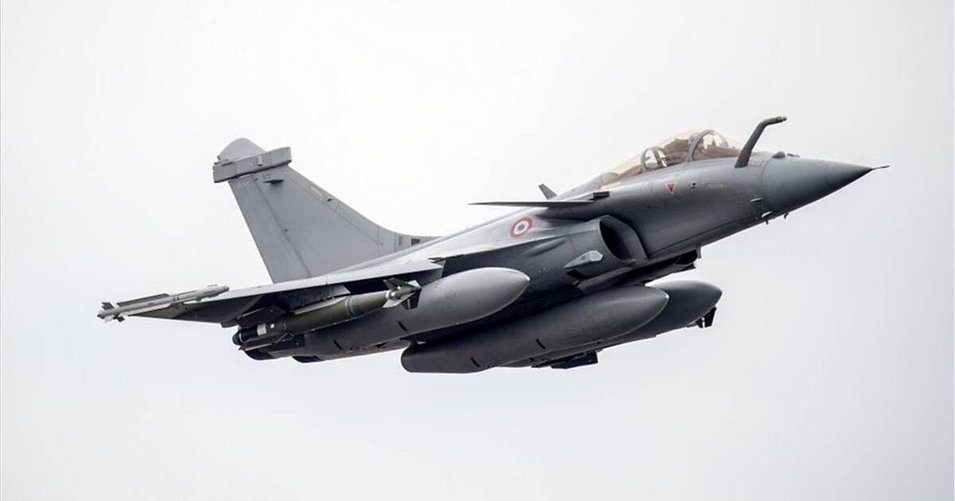
India is in advanced discussions with France to finalise a major deal for acquiring 114 Rafale fighter jets for the Indian Air Force (IAF), with around 80% of the aircraft expected to be built in India under a broad “Make in India” and localisation push.
India Plans to Build Around 80% of 114 Rafale Jets Locally
The negotiations — involving senior representatives from both governments and Dassault Aviation, the French manufacturer — are focused on maximising Indian content in the fighter jets, including production, parts manufacturing, and establishing support infrastructure such as a Maintenance, Repair and Overhaul (MRO) facility within India.
The proposed arrangement contrasts with previous defence acquisitions where a larger portion of aircraft was delivered as “fly-away” units. Under this plan, a significant share of the Rafale production ecosystem — from components to final assembly — would be transferred to Indian soil, helping build local aerospace expertise and supply chains.
Officials are also negotiating the overall cost and contract structure, taking into account annual inflation adjustments and long-term service support needs. India hopes that by localising production, it will not only reduce costs over time but also open potential future opportunities for exports to other countries operating Rafales through Indian facilities.
India’s interest in the Rafale remains rooted in its performance and suitability to IAF requirements; the aircraft has demonstrated very high serviceability rates (around 90%), higher than many competing platforms.
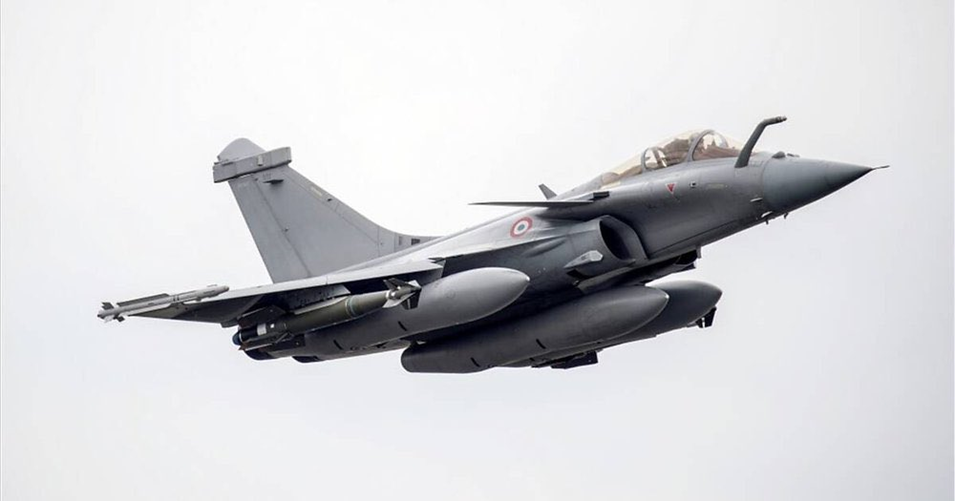
The push for localisation comes as the IAF seeks to rejuvenate its combat fleet to meet current and future security challenges. Delays in indigenous aircraft programs like the Tejas Mark 1A, coupled with growing operational demands across multiple fronts, have highlighted the need for additional multirole fighter jets.
If finalised, this deal would represent one of India’s largest defence procurements to date, significantly boosting domestic aerospace manufacturing and furthering the government’s goal of strategic autonomy in defence production.