The Indian Army has ramped up its counter-terrorism operations in Jammu and Kashmir, particularly targeting the Kishtwar and Doda districts, to thwart the activities of Pakistani terrorists who may attempt to take advantage of the harsh winter conditions for concealment. According to defense sources, this strategic shift marks a significant departure from the traditional slowdown in operations during the winter months.
Typically, the period known as Chillai Kalan, which spans from December 21 to January 31, is characterized by extreme winter conditions, including heavy snowfall and closed mountain passes, leading to reduced terrorist activities. However, military officials have indicated that this winter, operations will escalate rather than wane, utilizing a proactive strategy aimed at keeping pressure on terrorist hideouts.
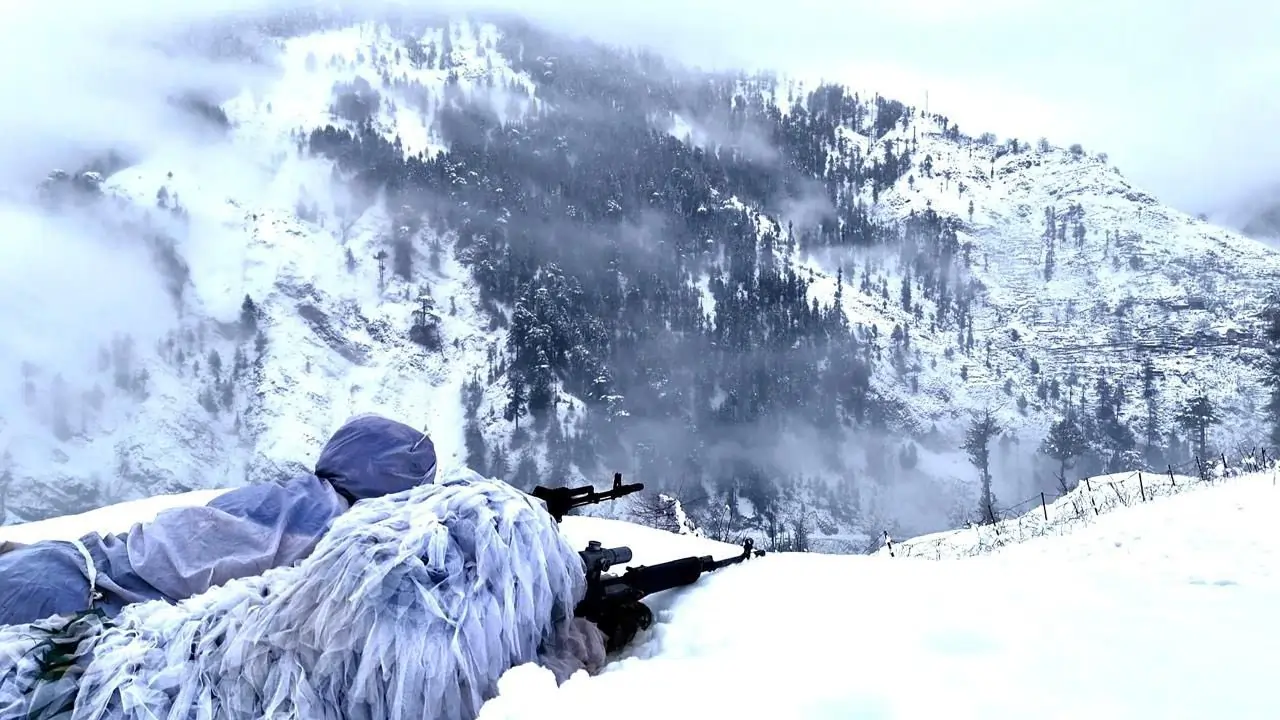
The Army has established temporary bases and surveillance posts in snow-laden, high-altitude areas, maintaining an aggressive stance against potential regrouping of terrorist elements. Patrols are actively operating in challenging weather conditions, traversing remote valleys and dense forests to prevent terrorists from slipping into populated regions.
Current intelligence assessments reveal that approximately 30–35 Pakistani terrorists are active in the Jammu region, largely pushed into higher and less populated mountain areas due to sustained counter-terror pressure. Reports suggest that these terrorists are attempting to extract shelter and supplies from local villagers, but such efforts have met with resistance, thanks to heightened vigilance and cooperation within the community.
Coordination among various security agencies has been a hallmark of the ongoing winter operations. The Indian Army is working in tandem with the Jammu and Kashmir Police, Central Reserve Police Force (CRPF), Special Operations Group (SOG), civil administration, and local defense forces. This integrated framework allows for efficient intelligence sharing and operational planning, enabling rapid responses to actionable inputs.
Technological advancements have also played a crucial role in the current strategy. Drones, ground sensors, thermal imaging equipment, and sophisticated surveillance radars are being deployed to monitor movements and target infiltration routes within the challenging winter landscape.
In addition to technological support, the Army has formed specialized winter warfare units, trained to navigate high-altitude terrains and operate under extreme weather conditions. This enhances their capability to carry out sustained operations despite the chill of winter.
The operational doctrine follows a “surveillance–sweep–surveillance” cycle, ensuring that any cleared areas remain under continuous watch. This approach emphasizes containment and disruption of terrorist logistics and communications, ensuring terrorists cannot leverage seasonal advantages to regroup.
As the peak of Chillai Kalan unfolds, the Indian Army’s resolved commitment to intensifying operations signifies their adaptability and strategic foresight in maintaining security across Jammu and Kashmir, irrespective of environmental challenges.