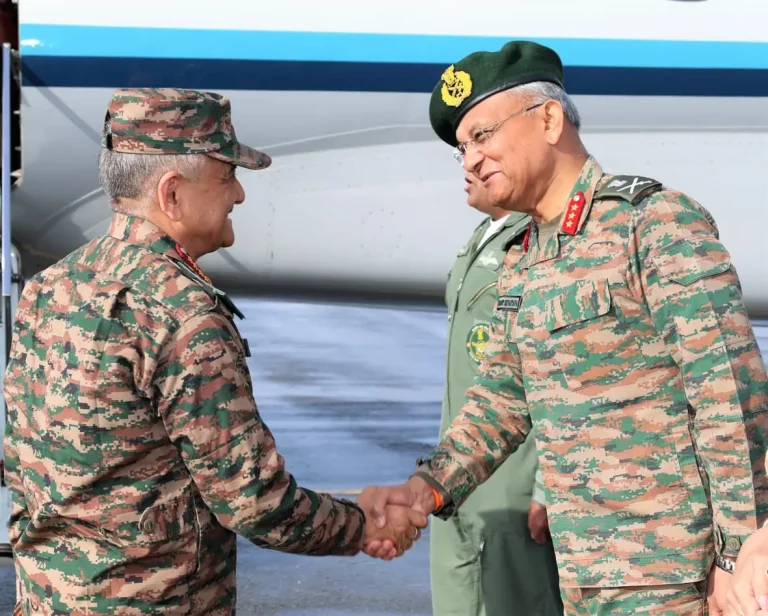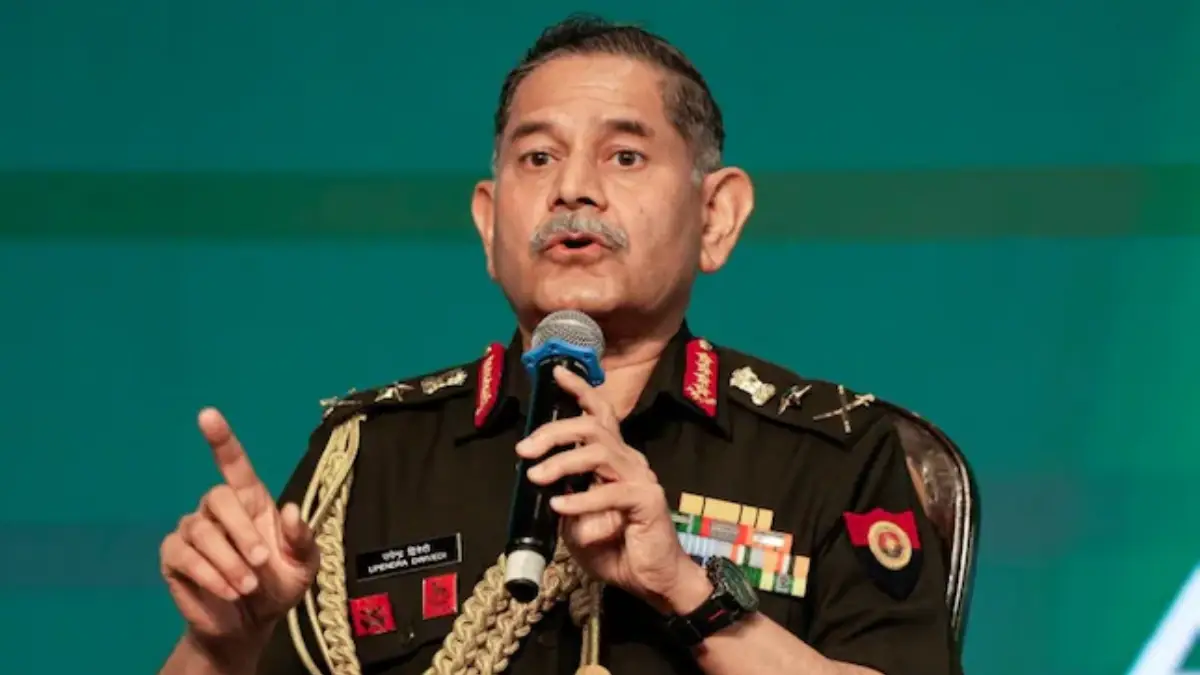
The Indian Army is on the verge of fully integrating women into infantry combat roles, contingent upon broader societal acceptance and adherence to uniform standards, according to Chief of the Army Staff General Upendra Dwivedi. During a media briefing, Gen Dwivedi emphasized that the Army’s stance is rooted in principles of gender neutrality, rejecting the notion of providing women with special treatment.
“Women should not be seen as a vulnerable commodity,” he stated. He added that if capabilities and standards are equal, and if society is prepared to accept this change, combat roles could be opened to women as early as tomorrow.
Gen Dwivedi outlined a phased and data-driven approach to expanding women’s participation in the Army. This gradual process will start with supporting roles, proceed to combat roles, and may eventually include special forces. He described this as a “welcome social change” while acknowledging ongoing challenges. Medical and operational constraints will have to be addressed through thorough evaluation and decision-making based on reliable data.
In offering an update on the current situation, Gen Dwivedi revealed that approximately 60 women Army cadets are currently undergoing training at the National Defence Academy (NDA), with around 20 women inducted each year. Additionally, the Officers’ Training Academy (OTA) in Chennai and Gaya brings in about 120 women officers annually. Presently, the Army consists of around 8,000 women officers. He also noted that the Territorial Army is opening up opportunities for women, with 110 vacancies planned.
On the topic of inducting women into Other Ranks (ORs), he explained that this would necessitate changes to Section 12 of the Army Act. The Army aims for a 12-fold increase in women’s induction into ORs by 2032.
Gen Dwivedi also touched upon the Army’s ongoing modernization efforts, which are being informed by insights gained from recent conflicts. Significant initiatives include:
– Formation of dedicated drone regiments and the expansion of loitering munitions.
– Development of a rocket-cum-missile force alongside enhanced counter-unmanned aerial system (UAS) capabilities.
– The establishment of Bhairav battalions to bridge gaps between infantry platoons and special forces.
– Creation of a Divyastra battery within artillery regiments to assist divisional commanders.
– Achieving over 90% indigenisation in ammunition production.
Post-Operation Sindoor, there has been a considerable emphasis on drone technology. Each command is currently capable of manufacturing up to 5,000 drones, with scalability options allowing for production of 20,000 or even 100,000 depending on threat assessments.
Gen Dwivedi’s remarks reflect a clear intent: the inclusion of women in infantry combat is contingent upon readiness, adherence to standards, and societal acceptance rather than capability. As the Army embarks on its modernization journey and society continues to evolve, the groundwork for women’s participation in frontline roles is being meticulously laid out.