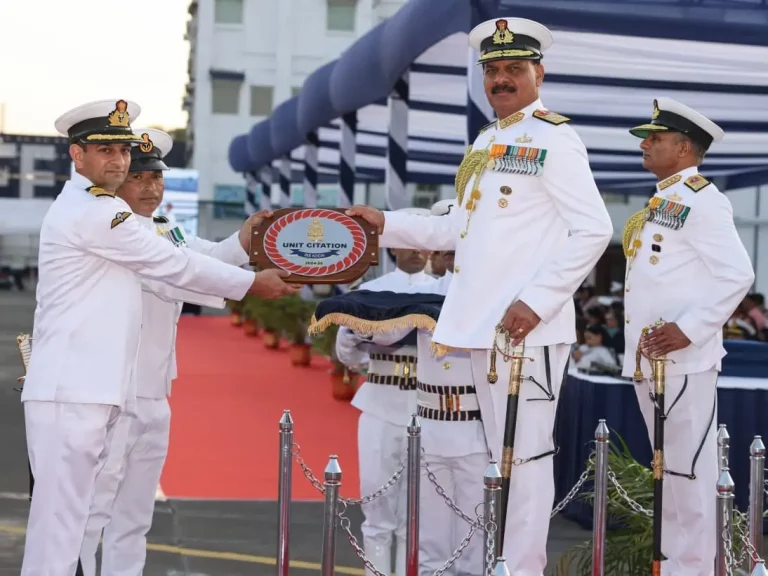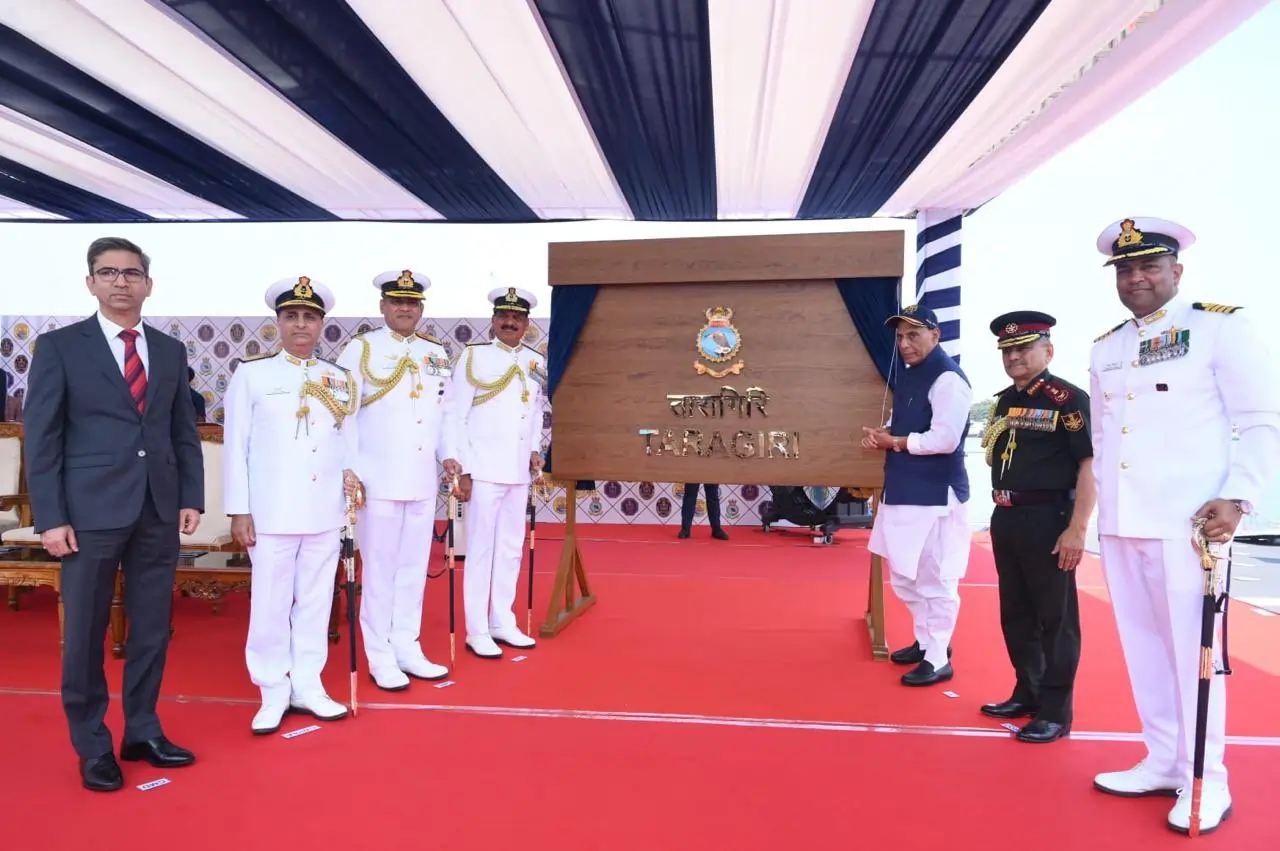
The Indian Navy recently commissioned its latest stealth frigate, INS Taragiri (F41), at the Eastern Naval Command in Visakhapatnam. The event was graced by the presence of Raksha Mantri Rajnath Singh, who underscored the importance of this new addition to the fleet as a symbol of India’s technological advancement and self-reliance.
In his address, Rajnath Singh highlighted that a robust Navy is essential in the current security environment. He pointed out the critical role of maritime security in safeguarding trade, energy supplies, and national interests. Singh further articulated India’s emergence as a responsible and formidable maritime power.
INS Taragiri, part of the Project 17A stealth frigate class, boasts impressive specifications. It has a displacement of around 6,670 tonnes, with over 75% of its content being indigenous. The vessel is designed with advanced stealth technology that significantly reduces its radar signature. It is equipped with an array of formidable weaponry, including BrahMos missiles and surface-to-air missiles, alongside state-of-the-art radar and sonar systems. The warship was designed by the Warship Design Bureau and constructed by Mazagon Dock Shipbuilders Limited, marking a significant advancement in India’s indigenous shipbuilding capabilities.
The operational versatility of INS Taragiri is noteworthy, as it is capable of conducting high-intensity combat operations, maritime security tasks, anti-piracy missions, and coastal surveillance. Moreover, the frigate is suited for humanitarian assistance and disaster relief missions. Its advanced systems and endurance enable it to undertake prolonged deployments across the Indian Ocean Region, reflecting its strategic importance.
Rajnath Singh also emphasized the critical need for protecting maritime trade routes, noting that nearly 95% of India’s trade is conducted via sea routes. He stressed that the Indian Navy plays a pivotal role in safeguarding sea lanes, choke points, and undersea digital infrastructure, which are vital for ensuring global maritime stability.
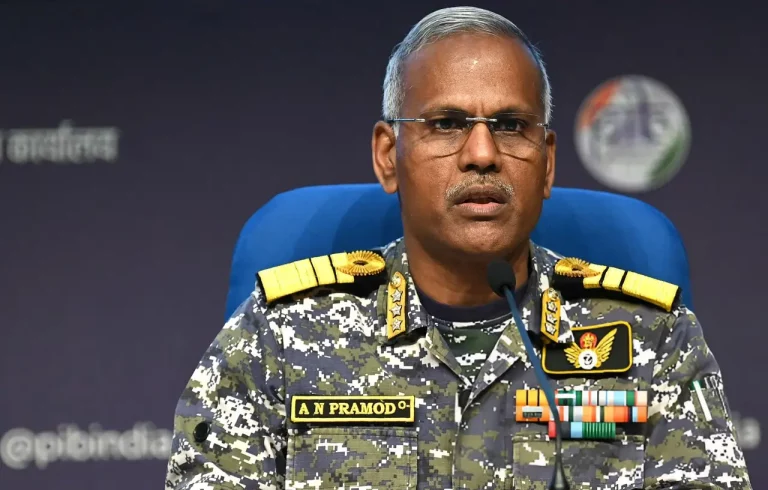
In a briefing, Admiral Dinesh K Tripathi, the Chief of Naval Staff, outlined the increasingly complex dynamics of the Indian Ocean Region. He reiterated the Navy’s commitment to maintaining combat readiness and credibility to ensure future preparedness.
The commissioning of INS Taragiri not only enhances India’s maritime defense capabilities but also provides a significant boost to the indigenous defense ecosystem. The project involved collaboration with over 200 Micro, Small, and Medium Enterprises (MSMEs) and saw substantial contributions from India’s defense industry, thus strengthening domestic manufacturing and export.
In conclusion, the inauguration of INS Taragiri marks a pivotal milestone in India’s strive towards self-reliance in defense, reinforcing its maritime power and signaling a robust stance in an evolving global security landscape.