The Ministry of Defence has initiated a significant move to bolster India’s unmanned warfare capabilities with a newly drafted framework aimed at enhancing the security of combat drones against emerging vulnerabilities. This initiative represents a crucial step in addressing the growing role of drones in modern warfare, particularly in sensitive regions such as the Himalayas.
Open for public recommendations until April 8, the draft framework is set to be a cornerstone of the upcoming Defence Acquisition Procedure (DAP) 2026. The comprehensive document has been collaboratively developed by multiple stakeholders, including the armed forces, National Security Council Secretariat, Ministry of Civil Aviation, Ministry of Electronics and Information Technology, Defence Research and Development Organisation, accredited laboratories, and industry representatives. The groundwork for this framework commenced in September 2024.
A key aspect of the framework is its focus on creating a secure operational ecosystem tailored for “low, slow, and small” drones, which include platforms such as quadcopters and hexacopters. These smaller drones are predicted to make up an estimated 95% of aerial systems in future conflict scenarios, underscoring their growing significance in military operations.
The draft also highlights the existing gaps within India’s domestic drone manufacturing and testing capabilities, acknowledging that these will require time to develop fully. However, it emphasizes ongoing initiatives aimed at achieving complete indigenization and creating a reliable supply chain verification system.
Central to the proposed framework is the implementation of “secure-by-design” principles, which mandate the integration of security measures right from the initial Request for Information (RFI) stage through to procurement and lifecycle upgrades. This proactive approach is designed to mitigate vulnerabilities before they can be exploited by adversaries.
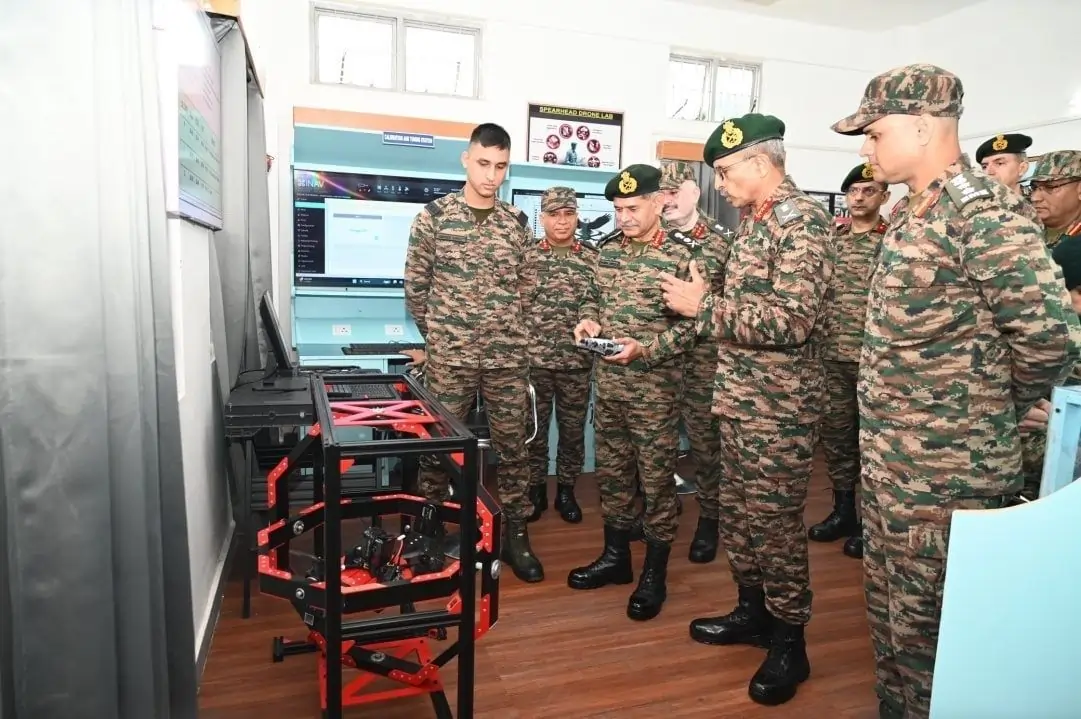
The Indian Army has been actively enhancing its drone capabilities, forming specialized units such as Ashni platoons, Divyastra batteries, Shaktiban regiments, and proposed Shaurya squadrons in armored divisions. Given the vital role drones play across all three branches of the armed forces, ensuring their security has become a strategic imperative.
The draft document outlines major threats faced by drone systems, including communication interception, GPS jamming and spoofing, control hijacking, and malware-related data breaches. Proposed countermeasures include the establishment of secure communication links using Software Defined Radios, developing anti-jamming technologies, and implementing robust cyber protection protocols.
A significant goal of the framework is to lessen India’s dependence on foreign—particularly Chinese—components in drone systems, thereby encouraging increased participation from domestic industries. This shift comes in response to past challenges, including technical failures and procurement cancellations associated with reliance on foreign components.
The document envisions a long-term strategy focused on developing fully indigenous drones and their critical components, extending down to the chip level. This approach aims to substantially reduce vulnerabilities, ensure supply chain security, and enhance overall operational control.
This initiative aligns with India’s broader ambition for self-reliance in defense technology and reflects the nation’s adaptive strategy to the rapidly changing landscape of drone warfare.