




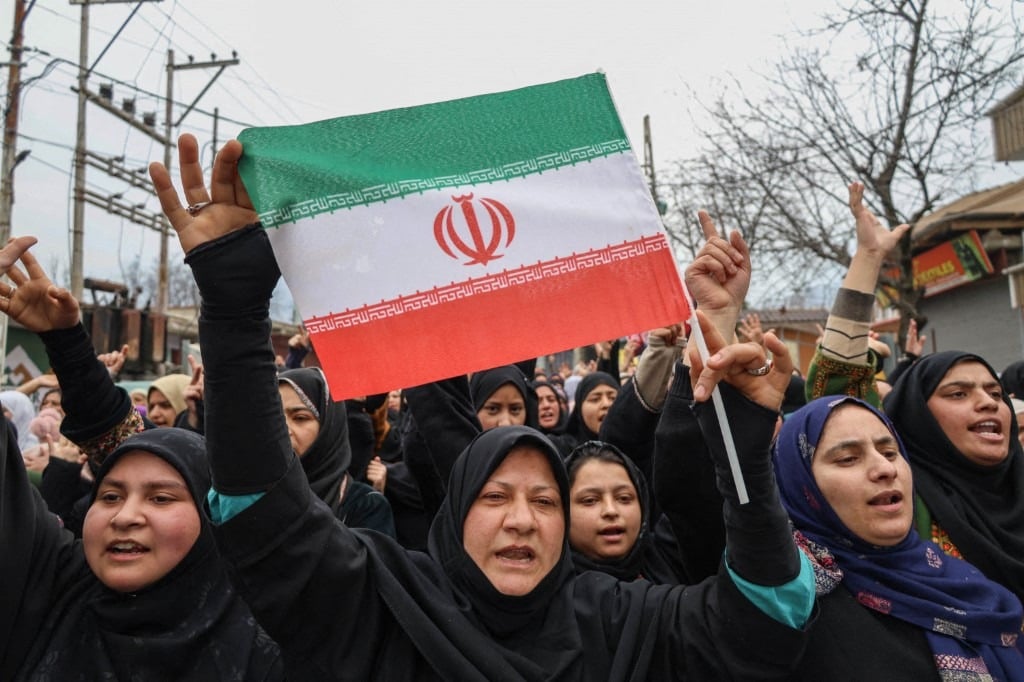
Tehran has leveled accusations against the United States, describing its demands as “excessive,” as tensions in the region escalate. This development follows US media reports suggesting that Washington may be contemplating new strikes, while leaders in Iran are reviewing a current peace proposal.
In a significant move, Pakistan’s army chief, General Asim Munir, arrived in Tehran on Friday with the objective of enhancing diplomatic mediation efforts. Adding to the intrigue, US President Donald Trump reportedly altered plans to attend his son’s wedding, opting instead to remain in Washington due to what has been described as “circumstances pertaining to government.” This shift has prompted speculation that the situation may be approaching a critical juncture.
Negotiations, which began as talks aimed at ending the conflict ignited by US-Israeli strikes on Iran on February 28, have encountered numerous hurdles. Trump has characterized these fluid discussions as precariously balanced on the verge of either rekindling military action or forging a deal to cease hostilities. The ongoing conflict has led to competing blockades around the strategically vital Strait of Hormuz, posing significant threats to the global economy.
Since a ceasefire on April 8, a series of negotiations—including landmark face-to-face discussions orchestrated by Islamabad—have failed to deliver a lasting resolution or reestablish complete access to the strait, which is crucial for the global oil supply.
Iran’s Foreign Minister, Abbas Araghchi, conveyed to UN Secretary-General Antonio Guterres Tehran’s commitment to the diplomatic process, despite facing “repeated betrayals of diplomacy and military aggression against Iran” along with the US’s contradictory positions. Iranian state media has reported on encounters among various countries aimed at ceasing the conflict, highlighting that Iran continues to receive support from key regional players.
US media sources, including Axios and CBS News, indicate that the White House is weighing potential military actions against Iran, although no final decisions have reportedly been made. During a NATO conference in Sweden, Secretary of State Marco Rubio acknowledged the slow progress toward a peaceful solution, warning that the possibility of military action remains on the table.
The visit by Pakistan’s army chief, Munir, included discussions with Araghchi that extended late into the night, centered around diplomatic efforts aimed at curbing further escalation. Despite these discussions, Iran’s foreign ministry spokesman, Esmaeil Baqaei, underscored that significant disagreements persist and that the recent meetings do not suggest an imminent breakthrough.
While other nations, both from the region and beyond, have attempted to facilitate dialogue, Pakistan has positioned itself as the primary mediator in this ongoing conflict. Concurrently, Pakistan’s leadership, including Prime Minister Shehbaz Sharif and Foreign Minister Ishaq Dar, has traveled to China to discuss resolution efforts concerning the Middle East crisis.
The status of the Strait of Hormuz, along with reciprocal US blockades of Iranian ports, remains pivotal in ongoing negotiations. The potential for disruption at this maritime chokepoint raises concerns about its impact on the global economy, particularly as oil stockpiles diminish and inflationary pressures increase.
In a related context, Iranian officials have called for an end to hostilities in Lebanon, where clashes between the Israeli military and Hezbollah forces have persisted despite a declared ceasefire. Tensions have escalated in recent days, with reports of Israeli airstrikes targeting areas in Lebanon, resulting in civilian casualties. The humanitarian toll continues to rise, with over 3,100 deaths reported in the country since the onset of this latest wave of conflict.
Iran’s foreign ministry has emphasized the need for a resolution across all active fronts, including the ongoing skirmishes in Lebanon, manifesting the complex and interconnected nature of the regional tensions that continue to challenge diplomatic efforts and threaten stability.


