Japan’s postwar pacifism, a cornerstone of its national identity, emerged as a response to the trauma of World War II, the subsequent occupation, and a deep societal resolve to avert future conflicts. However, nearly eight decades since the end of the war, this stance is increasingly viewed as a strategic detriment. As Japan faces escalating assertiveness from neighboring nations—particularly China, North Korea, and Russia—it cannot afford to rely solely on external security guarantees or maintain a constitutionally ambiguous defense posture.
Tokyo is now confronted with the pressing need to enhance its military capabilities, assume greater responsibility for its national defense, and foster stronger alliances to bolster stability throughout the Asia-Pacific region. Under the leadership of the conservative new Prime Minister Sanae Takaichi, Japan may be poised to navigate the complex path towards military reconstruction, although such a move will necessitate constitutional amendments and overcoming domestic resistance to remilitarization.
At the heart of the issue lies Article 9 of Japan’s constitution, enacted in 1947, which renounces the right to wage war and forbids the maintenance of armed forces. This article was instituted in the wake of Japan’s wartime aggression, and ever since, the country has depended heavily on the United States for its defense—a reliance reinforced by a mutual treaty obligating the US to protect Japan from external threats.
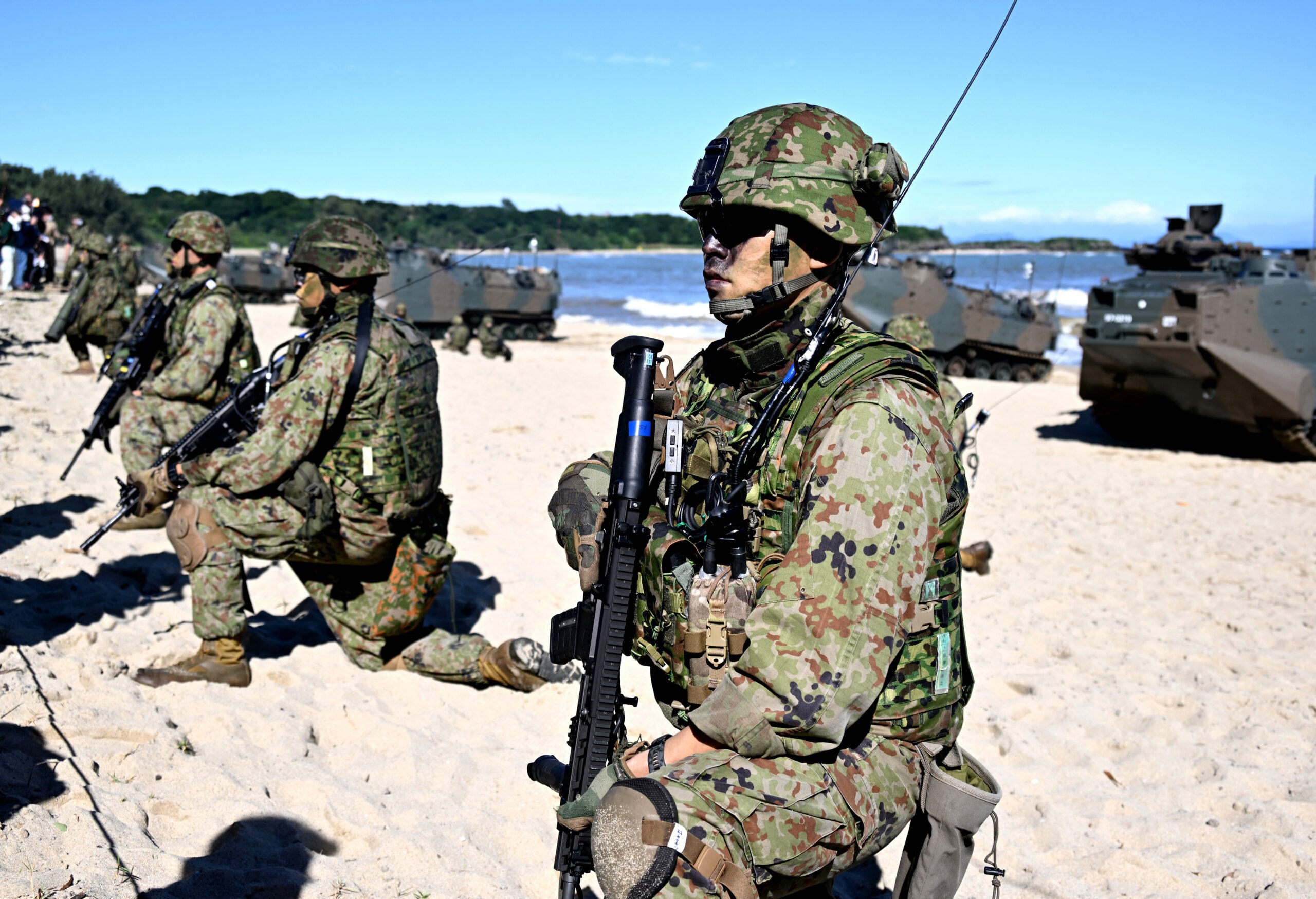
However, the geopolitical landscape has shifted dramatically over the decades. Japan, now recognized as a trustworthy international actor and the world’s fifth-largest economy, is increasingly capable of self-defense and contributing to collective security efforts. The presence of the Self-Defense Forces (SDF) is meant to shield the nation’s sovereignty, even as Japan still looks to the US as the linchpin of its defense strategy.
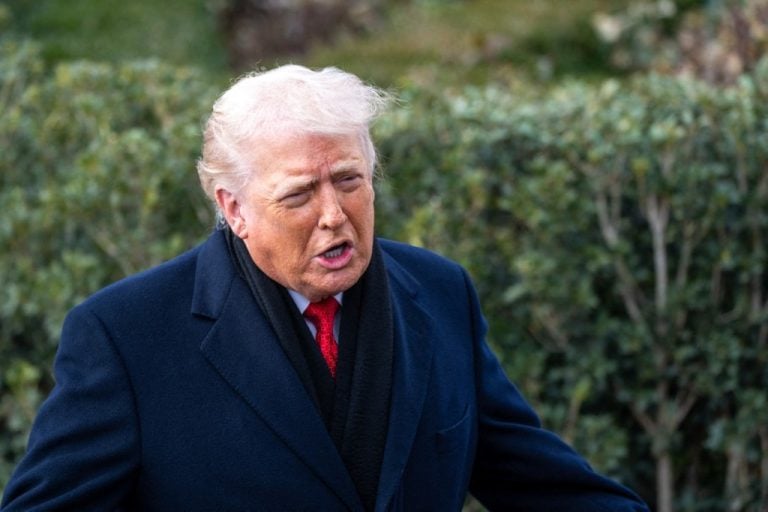
In the United States, former President Donald Trump has criticized this security arrangement as “one-sided,” prompting Japan to commit in 2022 to augment its defense budget from approximately 1 percent of GDP to 2 percent by 2027. Japan also shoulders part of the financial burden for hosting US troops, estimated at around $2 billion annually. The expectation of accountability for its defense has therefore emerged as a logical construct, with Takaichi asserting the necessity for Japan to take charge of its own security.
Article 9 creates a precarious legal environment where the existence of the SDF dwells in a constitutional gray zone. Despite the article’s restrictions on military capability, Japan has gradually developed a formidable military, with the SDF now regarded as one of the most capable forces globally. The Liberal Democratic Party has employed reinterpretations of Article 9 to give the SDF a defensive role, allowing for participation in U.N. peacekeeping missions and a limited scope of action during existential threats.
Takaichi’s vision includes possibly revising Article 9 itself, potentially allowing a formal security partnership with Taiwan. Yet, instead of continued incremental adjustments, Japan is urged to consider either repealing or amending Article 9 to explicitly recognize the SDF as a military entity equipped to address contemporary challenges. Such an amendment would clarify defense policy and enhance public comprehension of national security matters.
Moreover, Article 9 complicates Japan’s ability to forge broader collective defense agreements, thereby contributing to a security imbalance within the Asia-Pacific region. Despite a dominant inclination towards pacifism among the Japanese populace, a notable 34 percent express support for stronger relations with South Korea in light of rising threats.
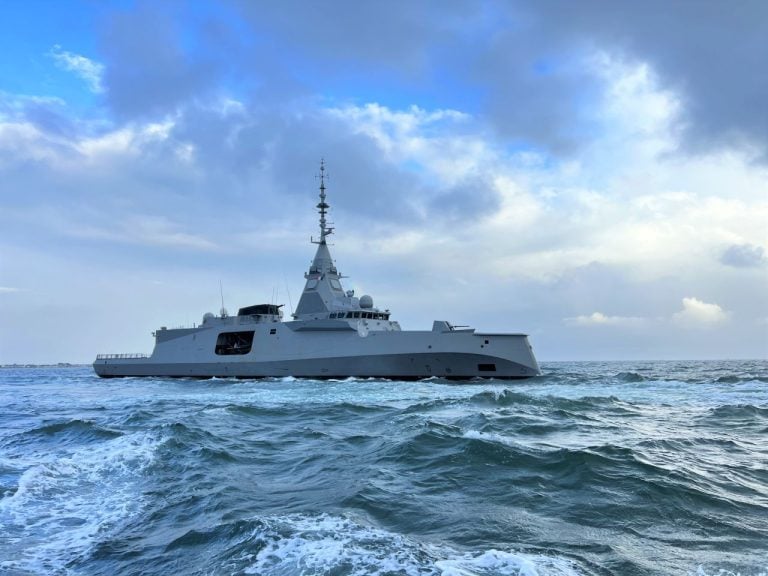
These threats are increasingly tangible. Both Russia and China are in the process of expanding their naval capabilities, with China anticipated to have 435 warships by 2030, while North Korea continues its ballistic missile tests over Japanese waters. The strengthened military ties among these nations have led some analysts to refer to them as an “Axis of Upheaval,” further escalating regional tensions marked by provocative actions in the Taiwan Strait and near the contested Senkaku and Kuril Islands.
To effectively counter these challenges, Japan must remove the legal ambiguities surrounding its military actions. The aggressive posturing of neighboring countries not only endangers Japan but poses a broader threat to the Asia-Pacific’s stability. By eliminating Article 9, Japan would be positioned to fully engage in collective defense initiatives, potentially collaborating more closely with South Korea, Australia, and even India.
This strategic shift would also alleviate concerns in the US regarding the perceived imbalance in the alliance, allowing Japan to actively contribute to global security efforts and solidify its status as an equal partner in its own defense. While Japan has largely been fortunate to avoid open conflict, relying on such luck is unsustainable. Article 9, while having served its historical purpose, now acts as a constraint on a capable nation confronting significant security threats. It is time for Japan to transcend this constitutional legacy and affirm its sovereignty fully.