Syrian Kurdish leader Mazloum Abdi engaged in discussions with officials in Damascus over the weekend, focusing on the potential integration of Kurdish forces into the Syrian central government. However, state media reported that the talks did not lead to any significant outcomes.
In March, Abdi had signed an agreement with Syrian President Ahmed al-Sharaa aimed at merging the civil and military institutions of the Kurdish semi-autonomous administration into the government framework by the end of 2025. Despite this agreement, the implementation has faced numerous challenges due to lingering differences between the parties involved.
A statement from the Kurdish-led Syrian Democratic Forces (SDF) confirmed that a delegation, headed by Abdi, met with government officials in Damascus to discuss the military integration process. Although the talks concluded, the SDF indicated that further details would be announced at a later date.
While there was no official comment from the Syrian government regarding the meeting, state television reported, citing unnamed government sources, that the discussions did not yield tangible results in accelerating the implementation of the previously signed agreement. Nevertheless, both sides agreed to schedule additional meetings to continue the dialogue.
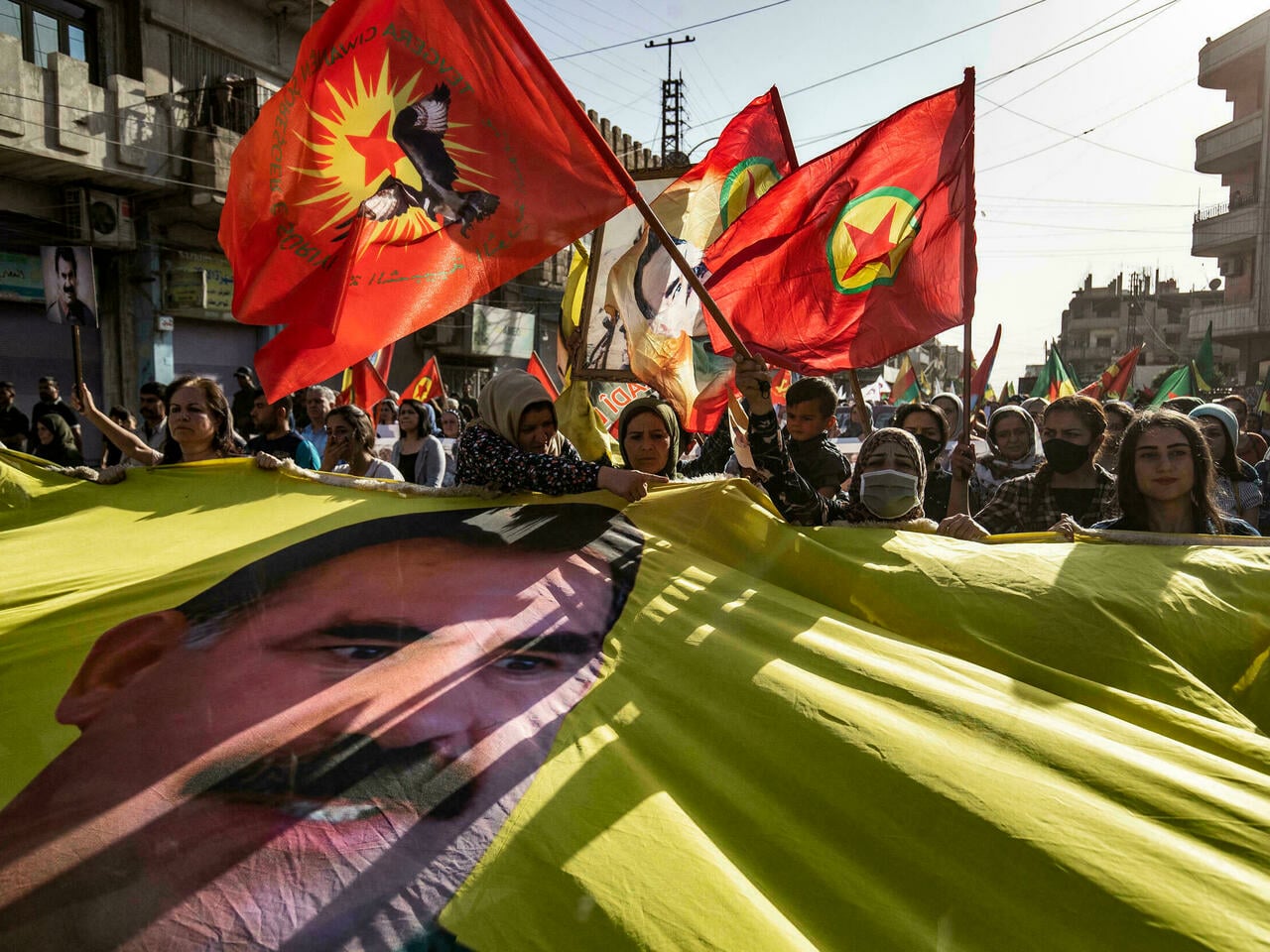
The SDF controls significant portions of Syria’s resource-rich northern and northeastern regions. With support from a US-led international coalition, the group played a crucial role in the defeat of the Islamic State group in Syria in 2019. However, efforts to integrate the SDF into the central government have been complicated since the ousting of long-time ruler Bashar al-Assad, as accusations of obstruction have emerged from both sides.
Abdi has consistently called for a process of decentralization, a demand that has been met with resistance from Syria’s new Islamist authorities. Tensions have occasionally flared into violence, including recent clashes in Aleppo city last month.
In December, a Kurdish official revealed to AFP that the Syrian government had proposed restructuring the Kurdish-led forces into three divisions and several brigades, one of which would specifically be for women. These forces would operate under SDF commanders in areas controlled by Kurds. Following this, Syria’s foreign minister indicated that the government was analyzing the Kurds’ response to the proposal.
Amid the ongoing negotiations, Abdi had stated that “all efforts are being made to prevent the collapse of this process,” expressing optimism about the chances of success. However, external pressures complicate the situation. Turkey, a significant ally of Syria’s new leadership, regards the presence of Kurdish forces along its border as a security threat. Last month, Turkish Foreign Minister Hakan Fidan urged the SDF not to obstruct Syria’s stability, warning that tolerance for the SDF was dwindling.
With Turkey sharing a border that stretches 900 kilometers (approximately 550 miles) with Syria, it has carried out multiple military operations aimed at displacing Kurdish forces from its frontier.