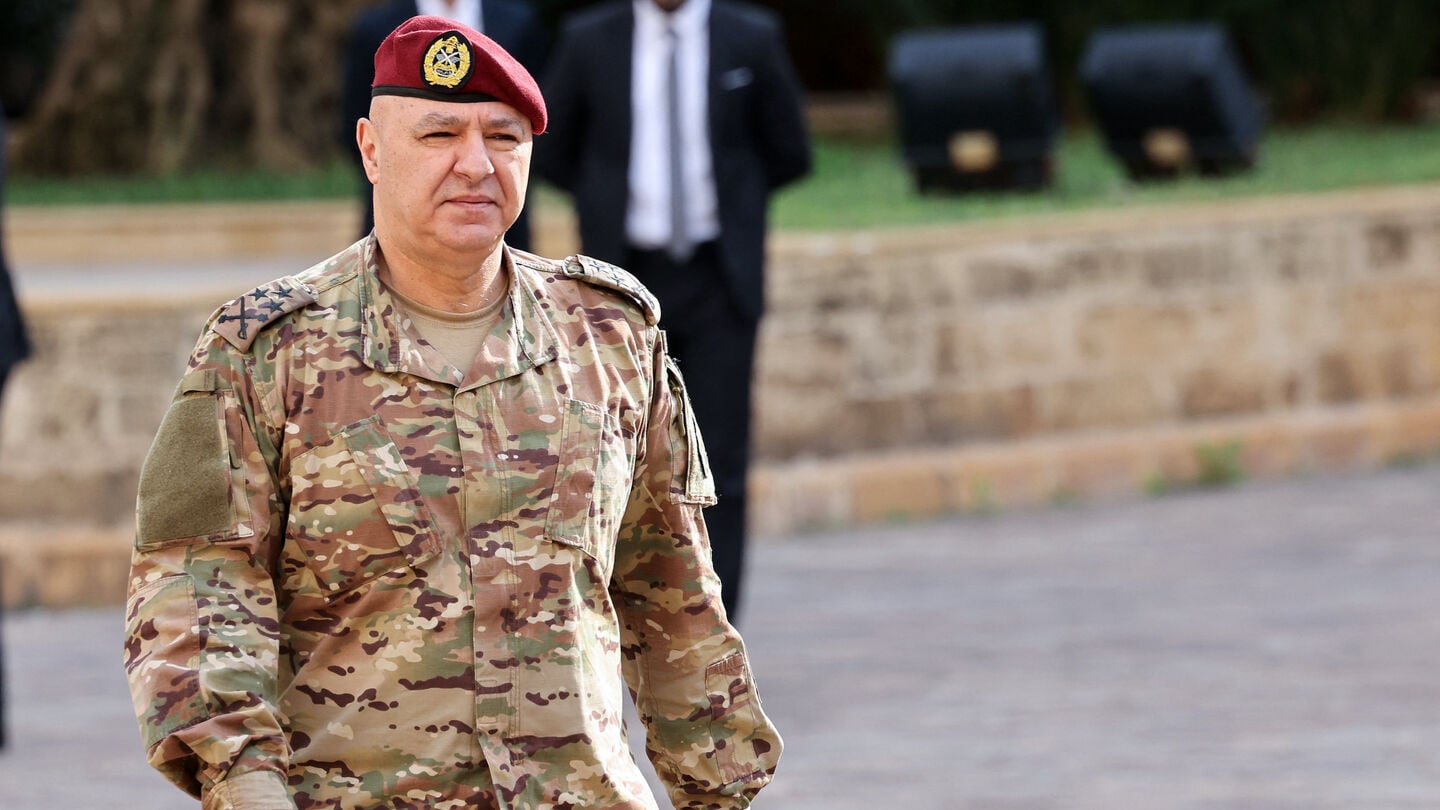
In a strongly worded statement, Lebanese President Joseph Aoun denounced Israel’s recent airstrikes on Lebanese territory, asserting that these actions hinder efforts to de-escalate tensions in the region. Aoun’s remarks followed a series of Israeli attacks that targeted areas in southern and eastern Lebanon, which Israeli authorities claimed were aimed at Hezbollah and Hamas operations.
The assault began with strikes on four villages where Israel had previously issued evacuation warnings. However, further bombings, including one early Tuesday morning, occurred without prior notice to residents, raising concerns over civilian safety and the stability of the region.
Aoun articulated that Israel’s persistent military actions are designed to disrupt all local, regional, and international initiatives aimed at curbing the escalating violence. He emphasized Lebanon’s responsive efforts to diplomatic interventions made along various fronts to restore calm.
Despite the existence of a fragile ceasefire between Israel and Hezbollah that has been in place for a year, Israeli forces have frequently engaged in military offensives against Lebanon. Their stated rationale typically involves targeting locations associated with Hezbollah, and, at times, Hamas.
On Tuesday, the Israeli military confirmed that the operations conducted the previous day successfully struck key infrastructure related to both Hezbollah and Hamas across multiple regions in Lebanon. Claiming to have targeted weapon storage facilities and military installations both above and below ground, the military maintains that these actions are a necessary means of countering perceived threats.
One targeted strike early Tuesday struck Ghazieh, a locality near the coastal city of Sidon, resulting in the destruction of a building, damage to surrounding areas, and a fire that prompted the response of firefighting teams, as observed by an AFP photographer on the scene.
These escalated military actions coincide with an upcoming meeting of the committee overseeing the ceasefire, which comprises representatives from the United States, France, Lebanon, Israel, and the United Nations, set for Wednesday. Discussions within this committee are critical as tensions continue to rise.
Additionally, the Lebanese cabinet is scheduled to meet later this week to review the progress made by the Lebanese military in disarming Hezbollah, an initiative that has been pushed heavily by the United States amid concerns about potential Israeli airstrikes intensifying.
The Lebanese army aims to complete its disarmament operations south of the Litani River, situated approximately 30 kilometers (18 miles) from the Israeli border, by the end of 2025, after which it will address disarmament efforts throughout the rest of the country.
In his comments, President Aoun noted that the government’s plan to enhance authority in the southern region was being executed with “professionalism, commitment, and precision” by the Lebanese military. However, Israel has repeatedly expressed skepticism regarding the effectiveness of Lebanon’s military forces and has accused Hezbollah of continuing to rearm.
The geopolitical landscape remains fraught with tension as diplomatic efforts and military actions intertwine, raising critical questions about stability and security in the region.