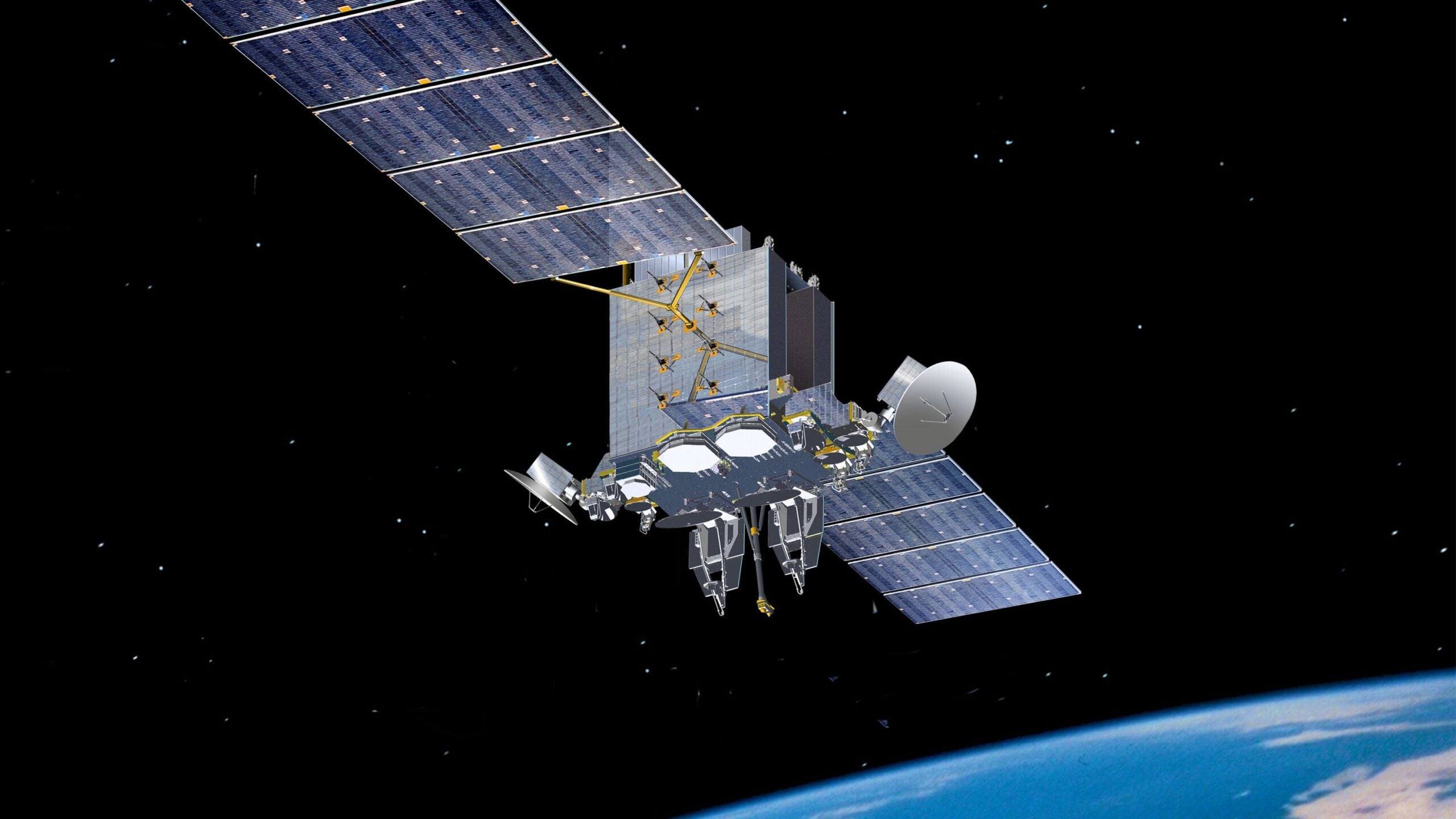
Leonardo DRS has achieved a significant milestone in military communications by completing the first on-orbit test of its latest software-defined radio (SDR). This advanced technology is specifically designed to secure satellite data for the U.S. military, particularly at the tactical edge where quick and reliable communication is crucial.
The system tested is known as the eXtended Crypto Module3-Space (XCM3-Space). This multi-channel SDR boasts integrated and built-in security features, which are vital for safeguarding sensitive data transmissions. Operating in Low Earth Orbit (LEO), the XCM3-Space was deployed aboard a Proteus Mercury satellite that was launched in late November.
During the recent testing phase, the SDR successfully met all primary objectives, marking a significant stride in the development of secure military satellite communications. This accomplishment underscores Leonardo DRS’s commitment to enhancing the capabilities of military systems and ensuring the integrity of communications in challenging environments.
The integration of security features directly into the SDR aims to bolster the overall resilience of military operations, particularly as reliance on satellite communications increases. The successful test signals a promising future for SDR technologies in the defense sector, as they provide both adaptability and enhanced security in a rapidly evolving landscape.
As the U.S. military seeks to leverage cutting-edge technologies to maintain a strategic advantage, breakthroughs like the XCM3-Space play a critical role in advancing operational readiness and effectiveness. Further developments in this area will likely shape the future of military communications, providing soldiers with the secure and reliable networks they need to perform their missions successfully.