Lockheed Martin and Microsoft are joining forces in an ambitious venture that aims to revolutionize counter-drone warfare through the integration of cloud computing and artificial intelligence. Their collaborative effort has resulted in the development of Sanctum, a cutting-edge counter-unmanned aerial system (C-UAS) aimed at safeguarding military forces from increasingly sophisticated aerial threats.
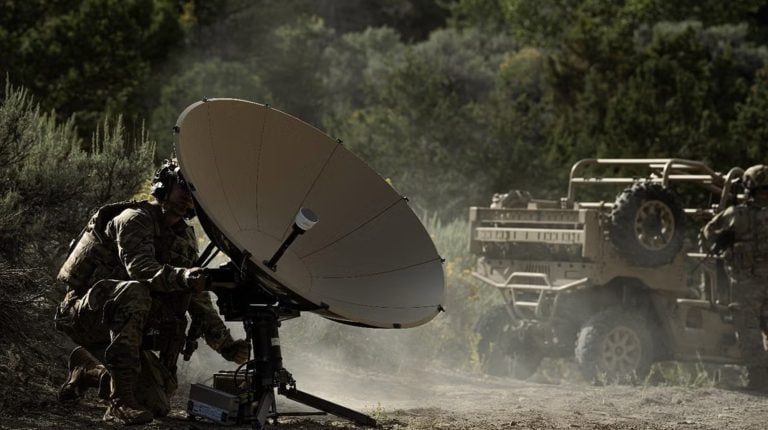
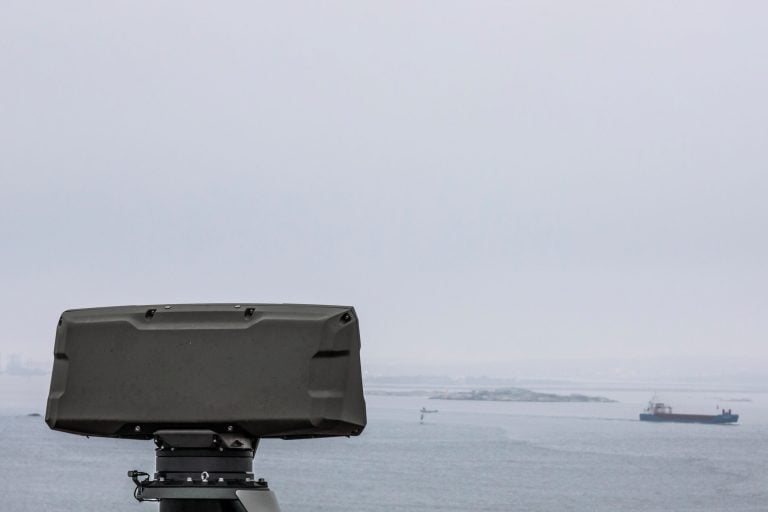
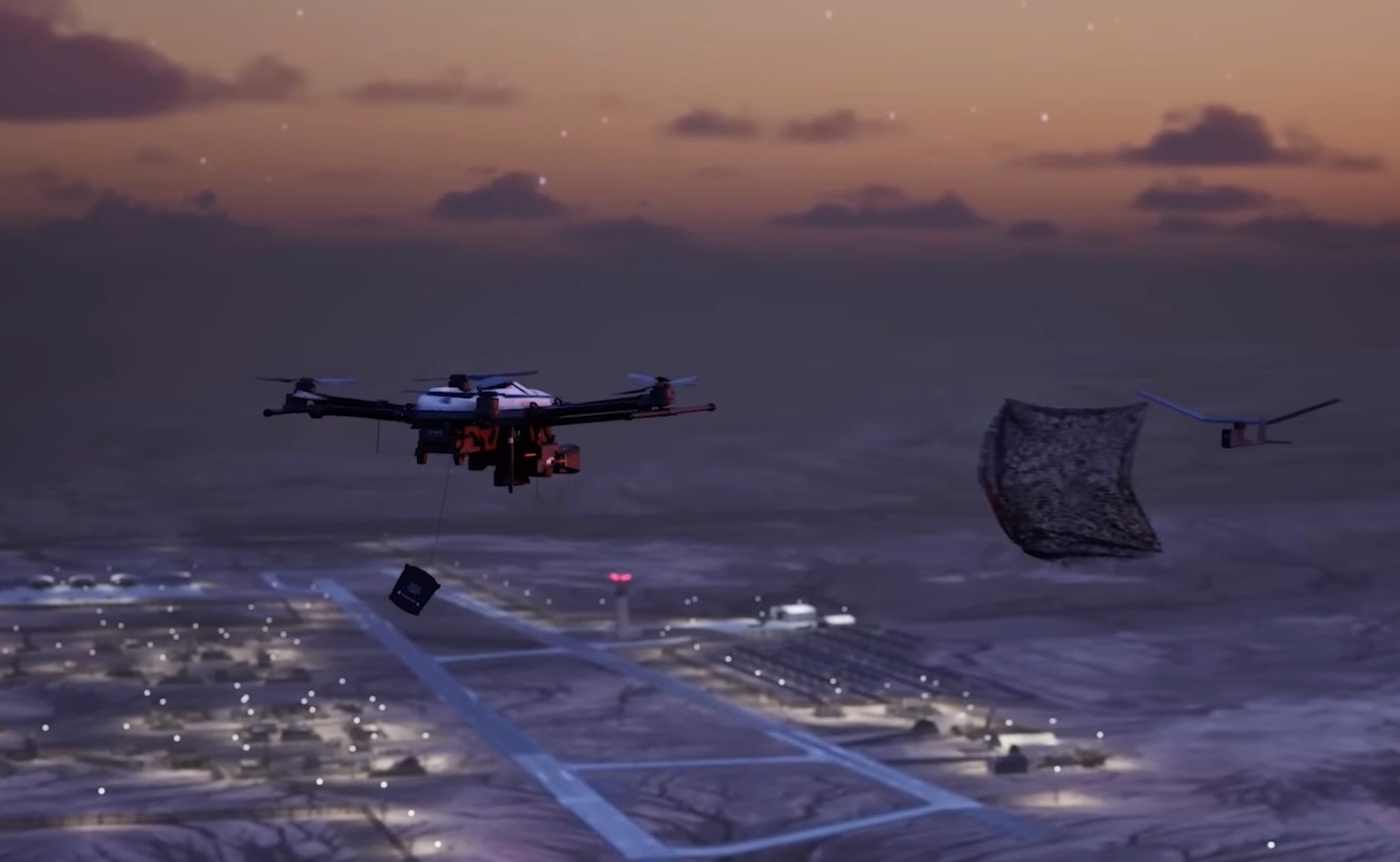
Sanctum stands out for its modular and scalable architecture, allowing it to seamlessly integrate various sensors, effectors, and command-and-control systems. This unified platform is designed to enhance the military’s operational capabilities in detecting, tracking, and neutralizing unmanned aerial vehicles (UAVs).
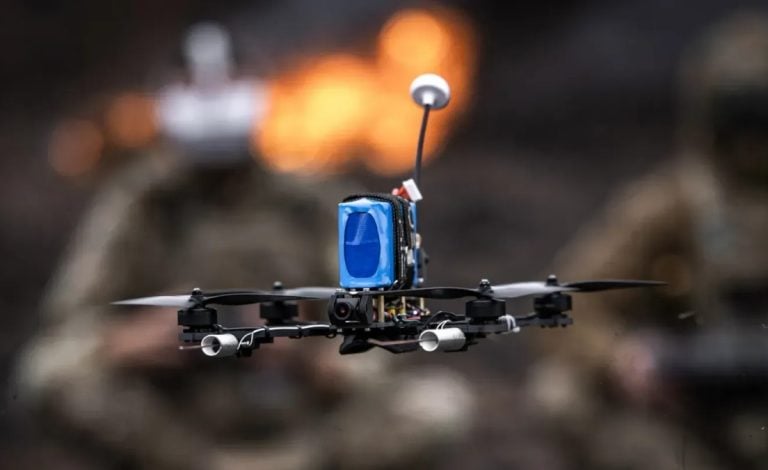
With the proliferation of drones on the battlefield and in civilian airspace, the need for advanced counter-drone technologies has never been more pressing. Traditional defense measures often struggle to address the diverse threats posed by a variety of UAVs. Sanctum seeks to tackle these challenges by employing state-of-the-art technology and adaptable design, ensuring that military forces stay one step ahead of potential aerial threats.
By leveraging cloud technology and AI, Sanctum enhances situational awareness, enabling more effective decision-making in real time. The collaboration between Lockheed Martin and Microsoft underscores a significant trend in the defense sector, where tech-driven solutions are becoming essential for modern warfare, particularly in the domain of aerial defense.
This initiative marks an important step in the ongoing evolution of military technology, highlighting the growing importance of software and digital capabilities in countering sophisticated threats on the battlefield.