Northrop Grumman has introduced an innovative testing system that has the potential to significantly shorten the timeframe required for qualifying microelectronics designed for radiation-heavy environments, such as those in space and nuclear facilities. This new technology emerges from the Defense Advanced Research Projects Agency’s (DARPA) Advanced Sources for Single-event Effects Radiation Testing (ASSERT) program, which aims to enhance the testing capabilities for these critical systems.
Traditionally, microelectronics have had to be tested at one of the four heavy-ion radiation facilities across the United States, which can cause significant delays in development timelines. However, Northrop Grumman’s new system allows for testing to be conducted in a compact and portable laboratory setting. This advancement could reduce the overall testing timelines by as much as tenfold, ensuring that essential electronic components can be deployed more rapidly in operational environments.
Jonathan Green, vice president and chief technology officer at Northrop Grumman Mission Systems, emphasized the importance of these improvements, stating that enhancing testing capabilities will drastically decrease lead times for critical microelectronics. This change is expected to facilitate faster delivery of necessary systems to customers.
The newly introduced system is capable of simulating the randomized radiation conditions that electronics might face in extreme environments, ranging from satellites in orbit to nuclear control systems. Notably, it can accommodate a variety of components, including packaged or stacked devices and advanced 3D-heterogeneous microelectronics, which are not adequately provided for by existing laser testing methods or surrogate sources.
The ASSERT program itself aims to transform the approach to qualifying radiation-hardened microelectronics. Its primary objective is to develop small-scale, laboratory-based alternatives to the large, heavily utilized heavy-ion facilities that often create bottlenecks in the development of space-based and nuclear electronics.
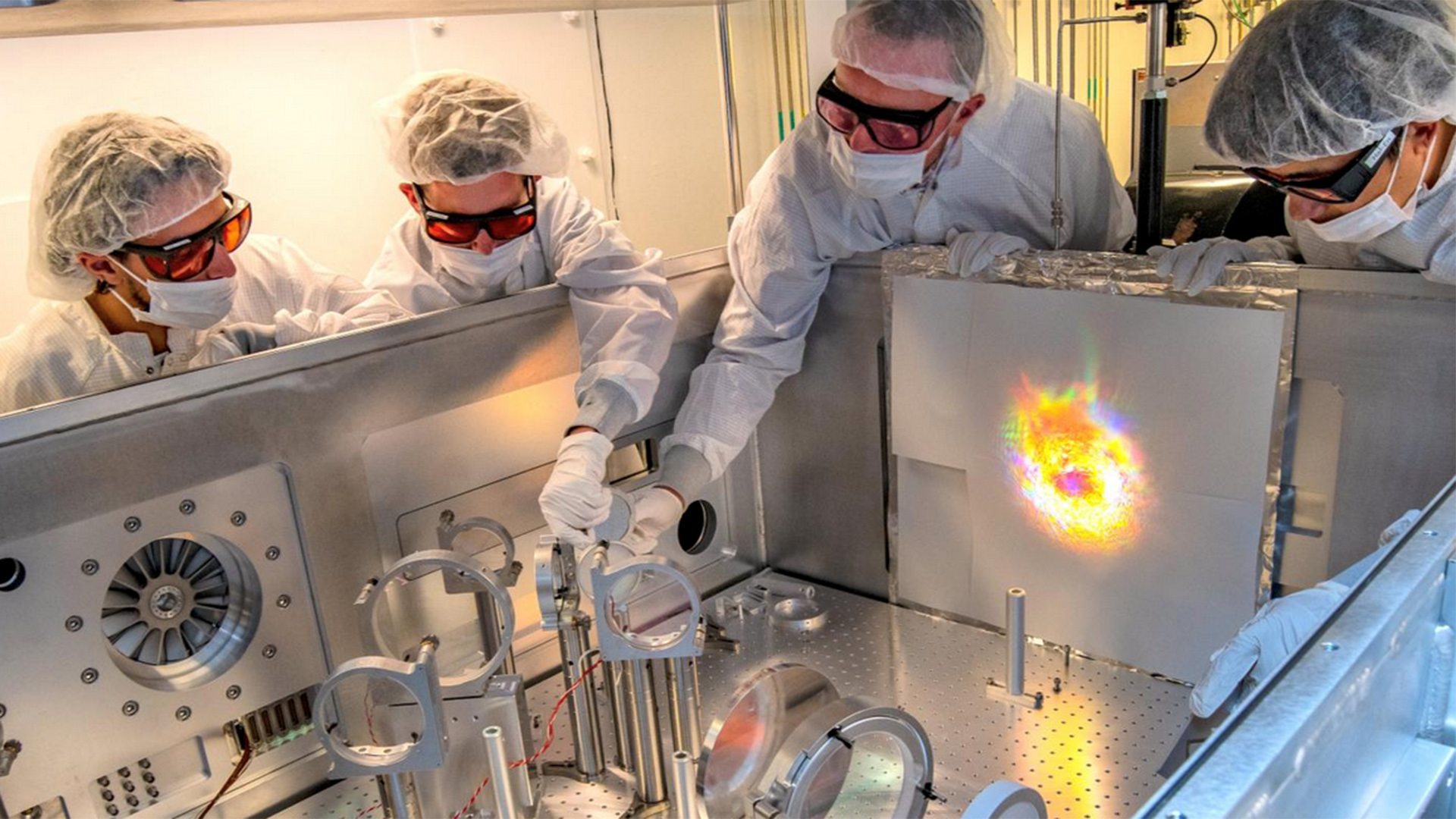
In this endeavor, Northrop Grumman has partnered with Vanderbilt University and the Lawrence Berkeley National Laboratory to integrate laser plasma accelerator technology into the testing process. Recent developments have demonstrated successful testing on advanced 3D-stacked and packaged devices, components crucial for next-generation satellites, nuclear systems, and various national security applications.
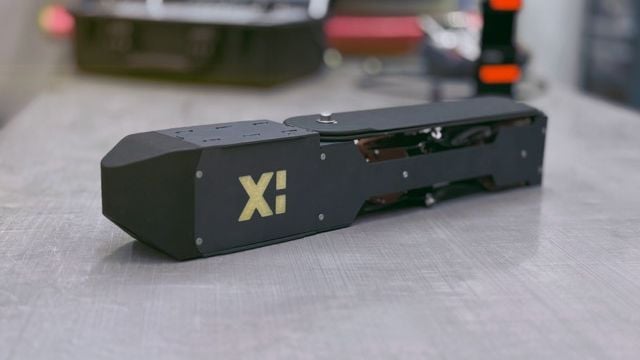
The collaboration also taps into expertise from Northrop’s Adaptive Optics Associates-Xinetics programs, known for supporting high-precision optical and imaging technologies that play a vital role in space observatories. This multifaceted approach not only accelerates testing capabilities but also reinforces the mission to provide reliable and efficient microelectronic solutions for vital applications in challenging radiation environments.