




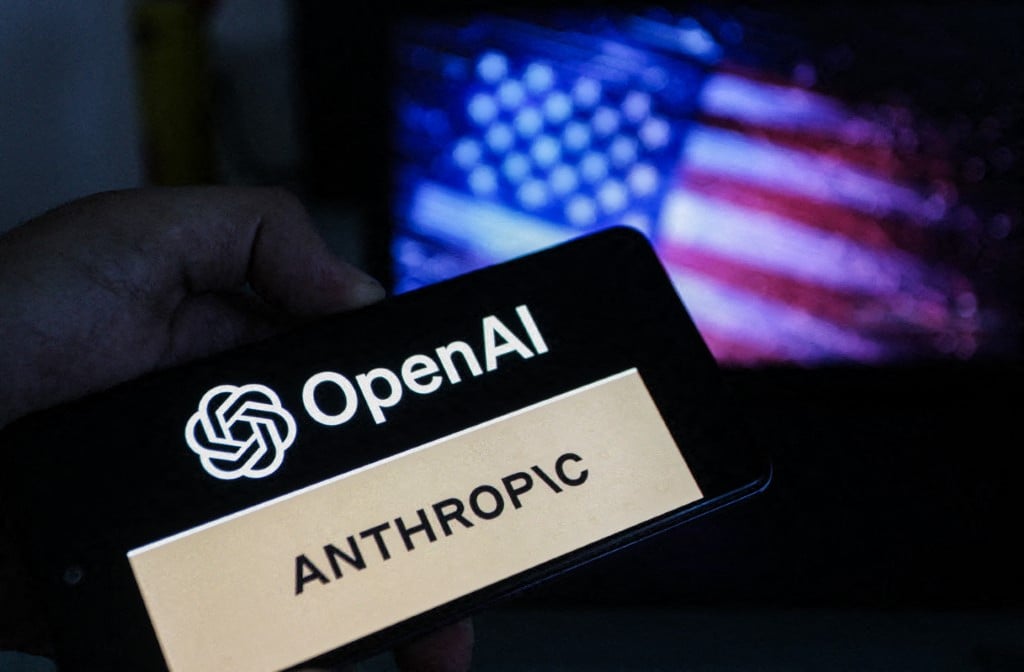
OpenAI has announced the launch of a US-only preview of its latest AI model series, GPT-5.6, which is being released under specific guidelines requested by the US government. The initiative is limited to a select group of partners, marking a significant shift in how AI technologies are being handled amid national security concerns.
This move comes on the heels of the White House’s surprising directive to openAI’s competitor, Anthropic, mandating the prohibition of foreign nationals from accessing its AI models, Fable 5 and Mythos 5. This decision resonated through Silicon Valley and prompted immediate action from Anthropic, which subsequently halted access to those models. The company indicated that it struggled to comply with the enforcement of such restrictions.
The advancements spearheaded by these new models have sparked considerable anxiety, as concerns grow over their capability to uncover software vulnerabilities that might be exploited by malicious actors. In response to these innovations and the potential risks associated with them, the Trump administration enacted an executive order to initiate a voluntary federal review process. This review is aimed at assessing national security risks related to advanced AI deployments prior to their public release.
Details about how the White House plans to implement these reviews remain sparse, creating uncertainty among tech companies. The notable shift in the administration’s stance on AI oversight—efforts previously aimed at easing regulation—has raised eyebrows. Critics have argued that the intervention represents an overreach, particularly as OpenAI expressed discomfort with the mandated processes for its new model release.
In a blog post, OpenAI emphasized its commitment to transparency, stating that it briefed government officials on the capabilities of its new models before their public launch. At the request of the government, the company has initiated a limited preview accessible only to trusted US-based partners. However, OpenAI noted that employees from these partners who are located overseas would also be permitted to use the new models.
The company voiced its reservations about a government access process becoming a standard operating procedure, arguing that such restrictions could hinder access for users, developers, cyber defenders, and global partners who could benefit from these advanced tools. OpenAI hopes that this limited step will pave the way for broader accessibility in the near future.
Previously, during its interactions with the White House, Anthropic had been critical of government overreach, particularly when it came to its refusal to enable its technologies in mass surveillance or autonomous military applications. This stance reportedly led to the Pentagon terminating contracts with Anthropic, a dispute that is currently tied up in litigation.
The GPT-5.6 series includes three models: Sol, which serves as the flagship; Terra, designed for everyday use at a more affordable price point; and Luna, offered as an economical option for various applications. OpenAI plans to price Terra at half of what its predecessor, GPT-5.5, cost, reflecting an aggressive strategy to maintain its competitive edge against counterparts like Anthropic and Google.
Both OpenAI and Anthropic have filed confidential documents with US regulators as they gear up for initial public offerings, with anticipated valuations approaching $1 trillion. As the AI arms race intensifies, the commercial stakes are significantly higher than ever.


