In a landmark counter-terrorism initiative, Indian security forces carried out Operation TRASHI-I in the Kishtwar district of Jammu and Kashmir, lasting an extensive 326 days and culminating in the neutralization of seven terrorists linked to the Pakistan-based Jaish-e-Mohammed (JeM) group. This operation highlighted the effectiveness of strategic coordination among numerous agencies while showcasing advancements in intelligence-driven warfare, all executed in the challenging mountainous and forested terrains of the region.
The operation was launched by the Indian Army’s White Knight Corps, also known as the 16 Corps, in response to specific intelligence indicating the presence of foreign terrorists nestled within the remote upper reaches of Kishtwar. It commenced approximately 326 days before its conclusion on February 22, 2026, and was a continuation of earlier efforts aimed at dismantling terrorist hideouts, validated by the busting of three such locations in the Kathua district just weeks before on January 16, 2026. The primary objective was to detect and eliminate terrorist modules operating in dense forests and high-altitude areas, thereby augmenting regional security and disrupting cross-border terrorism.
Leading this mission, the White Knight Corps, responsible for securing portions of the Line of Control (LoC), coordinated seamlessly with the Jammu and Kashmir Police and the Central Reserve Police Force (CRPF). Modern surveillance technologies, including first-person view (FPV) drones, unmanned aerial vehicles (UAVs), and satellite imagery, played a vital role in enhancing operational effectiveness.
As the operation progressed, it unfolded through a series of meticulously planned engagements amid harsh environmental conditions that included rain, snow, and isolation. The security forces implemented a cordon-and-search strategy, sealing off exit routes and systematically combing steep, vegetation-rich slopes. This intense operation saw multiple contacts established with the terrorists, leading to six encounters within a critical 40-day period.
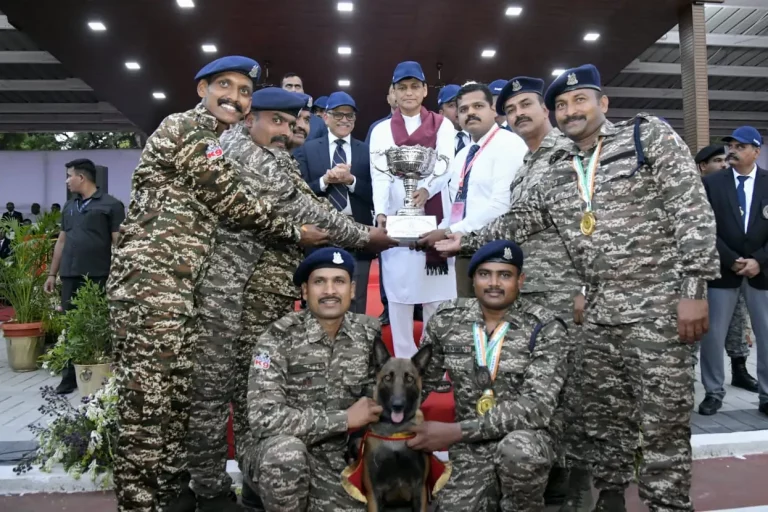
An exceptional feature of Operation TRASHI-I was the involvement of specialized military units such as the Army’s 11 Rashtriya Rifles and 2 Para Special Forces. One notable encounter involved the deployment of a K9 unit dog named Tyson, whose detection skills led to significant breakthroughs despite the dog sustaining injuries during the mission. Tyson was subsequently airlifted for medical treatment. The final decisive phase of the operation transpired on February 22, 2026, in the Chatroo area, where three terrorists were neutralized after they opened fire from a mud house hideout. Recovered items included two AK-47 rifles and warlike stores, with the neutralized individuals confirmed as members of the JeM module.
The operation stands out as a complete success, having dismantled an entire seven-member JeM terrorist unit without any casualties among Indian forces. This accomplishment underscored the effectiveness of intelligence-led tactics and highlighted the remarkable collaboration across various agencies. The neutralization of high-value targets, including Saifullah, a significant JeM commander, dealt a substantial blow to terror networks operating in the region.
What sets Operation TRASHI-I apart from previous missions is its extraordinary duration and operational resilience amid perilous conditions. This engagement showcased sustained vigilance over nearly a year, emphasizing the endurance and tactical superiority of the forces involved. Moreover, the absence of personnel losses showcased meticulous planning and risk mitigation strategies.
The integration of modern technology with traditional ground operations established a new benchmark for future counter-terrorism efforts. The success of the mission elicited enthusiastic morale among troops, who celebrated the accomplishment with chants of “Bajrangbali Ki Jai,” reflecting the cultural and motivational aspects of the achievement. In the larger framework of India’s security strategy, Operation TRASHI-I represented a significant milestone in combating insurgency, reinforcing the nation’s resolve to maintain peace in Jammu and Kashmir.
In conclusion, Operation TRASHI-I not only neutralized immediate threats but also elevated India’s counter-terrorism capabilities, showcasing professionalism and determination in confronting persistent challenges in the region.