




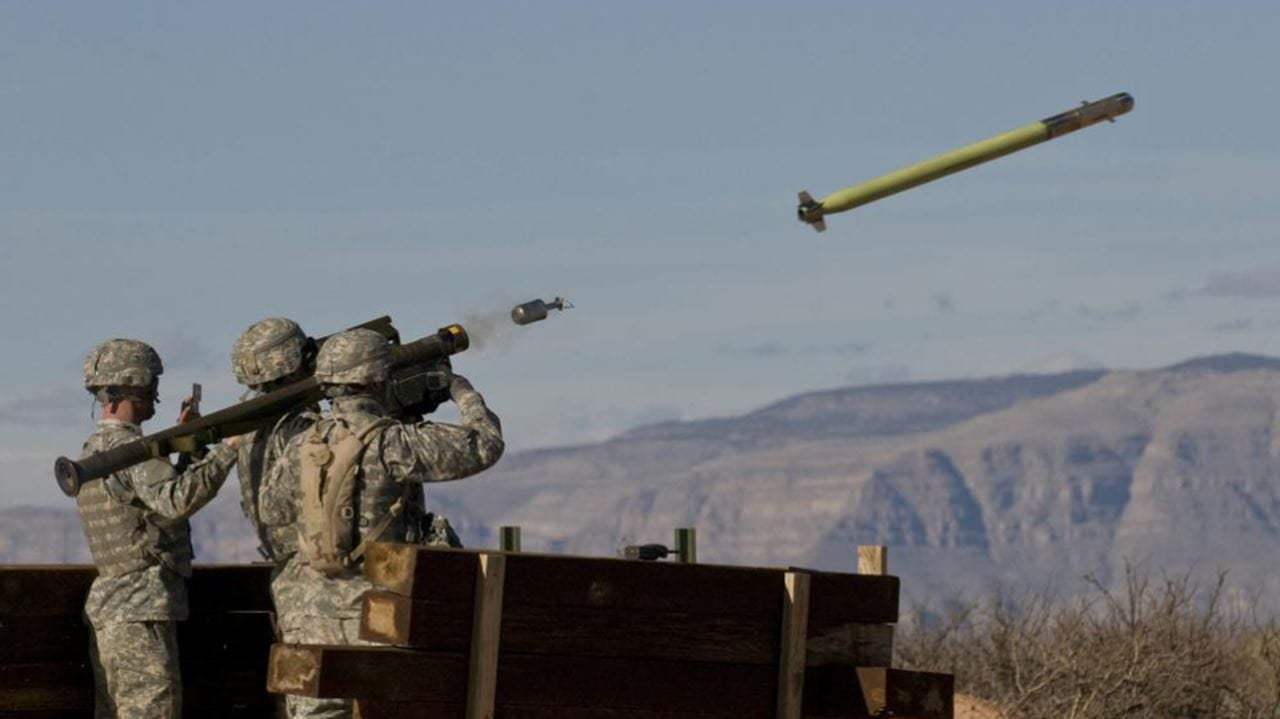
RTX’s Raytheon is set to significantly increase its production of the Stinger surface-to-air missile by forming strategic partnerships with defense manufacturers across Europe. This initiative follows a memorandum of understanding established in August 2025, aimed at enhancing missile production capabilities on the continent.
To facilitate this expanded output, Raytheon has enlisted Diehl Defence to oversee the manufacturing of the missile’s guidance section. This collaboration involves sourcing various subcomponents from a network of European suppliers, further integrating local industries into the defense supply chain.
Additionally, Raytheon is collaborating with suppliers in the Netherlands to produce core assemblies of the Stinger missile. The final assembly, rigorous testing, and completion of the missiles are slated to occur in the Netherlands, maximizing the efficiency of production while fostering regional defense cooperation.
This strategic move is part of a broader effort to address the growing demand from European military forces for the changes brought on by the evolving landscape of aerial threats. The company aims to reinforce its partnership with the NATO Support and Procurement Agency, ensuring that European allies have dependable access to this essential air defense asset.
Tom Laliberty, President of Raytheon’s Land & Air Defense Systems, emphasized that this initiative is designed to strengthen the company’s industrial base while expanding its global footprint. He noted the importance of ensuring that allies maintain consistent access to critical air defense systems, particularly in light of recent conflicts.
The FIM-92 Stinger missile, recognized for its lightweight and portability, is traditionally deployed by ground troops to target low-flying aircraft, including drones and helicopters. Originally introduced to the US Army in 1981, the Stinger has experienced a marked increase in demand due to its success on the battlefield in Ukraine and the escalating prevalence of drone threats.
As Raytheon ramps up production of this man-portable air-defense system, the US Army is concurrently exploring the development of its potential successor, the Next-Generation Short-Range Interceptor (NGSRI), signaling a commitment to adapting and evolving to meet future air defense challenges.


