





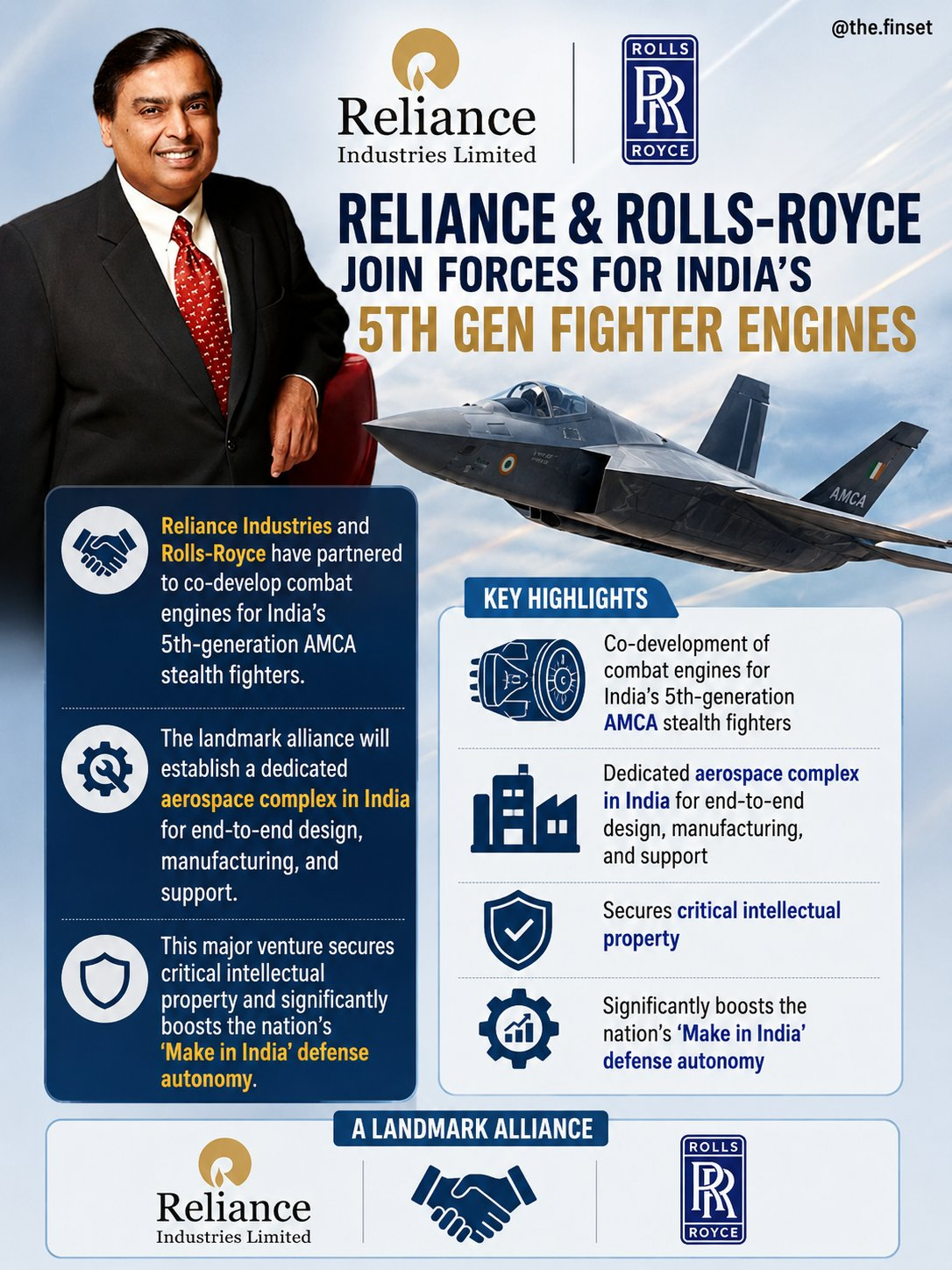
India’s quest to develop a high-performance indigenous fighter-aircraft engine has gained fresh momentum with the proposed collaboration between Reliance Industries and Rolls-Royce. The partnership is significant because the engine remains one of the most technologically challenging components in the development of an advanced fighter aircraft such as India’s Advanced Medium Combat Aircraft (AMCA).
Reliance & Rolls Royce Partnership For AMCA Engine
The development of an indigenous engine is not simply an industrial project. It is closely linked to strategic autonomy, defence manufacturing and India’s ability to design and produce sophisticated combat aircraft without excessive dependence on foreign suppliers.
Why the AMCA Engine Matters
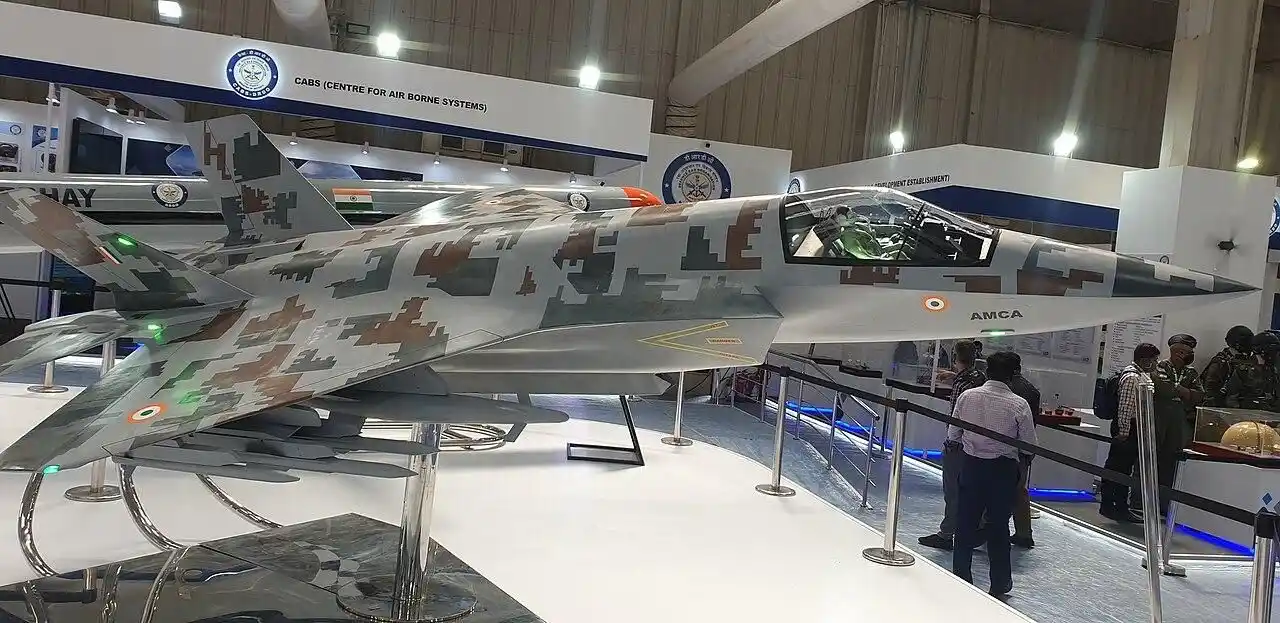
The AMCA is being developed as India’s next-generation stealth fighter programme. While the airframe, avionics, radar, weapons and electronic-warfare systems are all important, the propulsion system is arguably one of the most difficult technologies to master.
A modern fighter engine must deliver:
- High thrust
- Reliability under extreme conditions
- Efficient fuel consumption
- Advanced thermal management
- Long service life
- High performance at different speeds and altitudes
Developing such an engine requires expertise in areas such as advanced materials, turbine technology, precision manufacturing, cooling systems and high-temperature metallurgy.
Reliance–Rolls-Royce Partnership
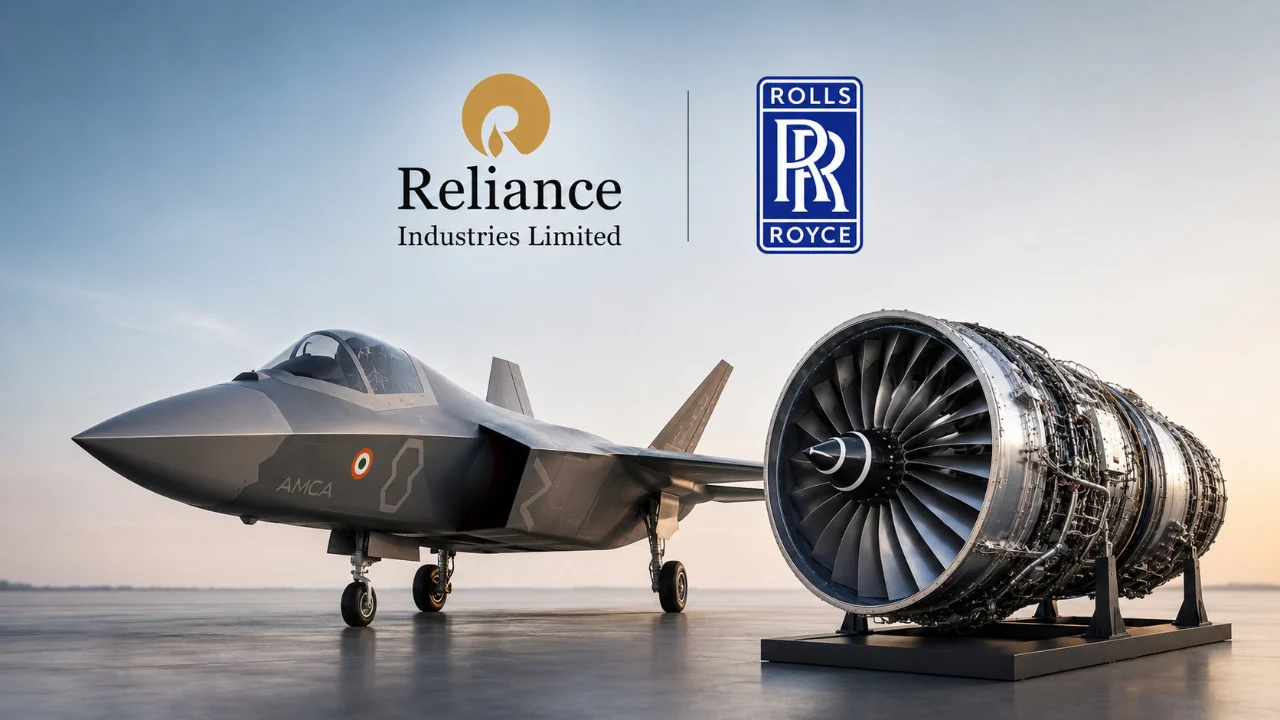
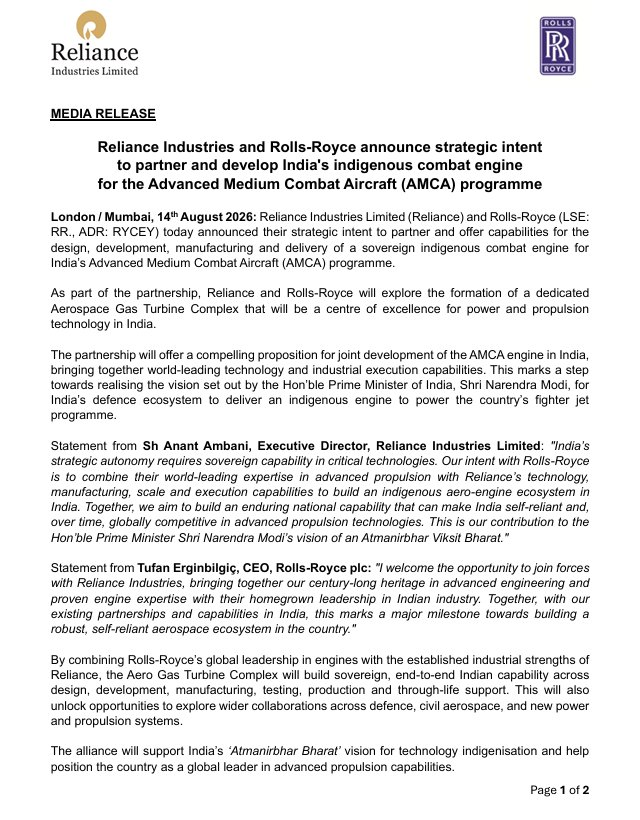
The proposed partnership brings together Reliance Industries’ industrial and manufacturing capabilities with Rolls-Royce’s experience in aerospace propulsion.
The broader objective is to create an ecosystem in India capable of supporting the design, development, manufacturing and maintenance of advanced aero-engines.
For India, the potential benefit goes beyond producing engines for a single aircraft programme. A successful domestic propulsion ecosystem could eventually support other military and aerospace platforms as well.
The Strategic Dimension
For decades, India has depended heavily on foreign technology and imported engines for several of its fighter aircraft.
This dependence can create challenges involving:
- Technology access
- Export restrictions
- Spare-parts availability
- Maintenance costs
- Supply-chain disruptions
- Upgrades and future modifications
An indigenous or substantially India-based engine programme could therefore provide greater freedom of action and technological sovereignty.
This is particularly important for a fifth-generation fighter, where India would want greater control over the aircraft’s future upgrades and modifications.
Competition for India’s Future Fighter Engine
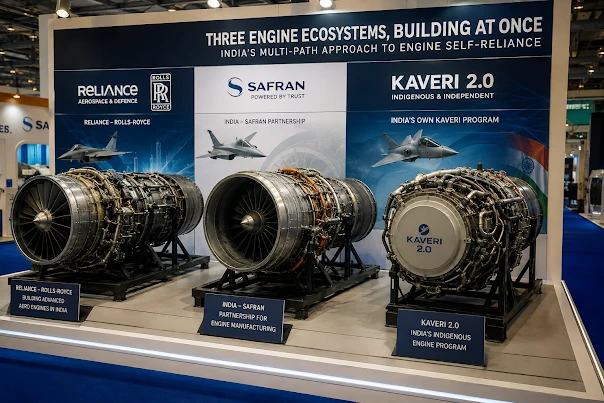
The AMCA engine programme is also witnessing interest from other international aerospace players.
France’s Safran has been involved with India’s DRDO Gas Turbine Research Establishment (GTRE) in discussions surrounding a high-thrust fighter engine.
The emergence of multiple potential international partnerships could give India greater technological options while creating competition to participate in one of the country’s most strategically important aerospace programmes.
Why Engine Technology Is So Difficult
Building a fighter engine is considerably more complicated than simply assembling an aircraft engine.
The most demanding areas include turbine blades, high-temperature materials, single-crystal components, combustion systems and sophisticated cooling technologies.
Turbine components operate in extremely high-temperature environments, requiring advanced materials and highly precise manufacturing techniques.
This is one reason why only a limited number of countries and companies possess mature high-performance military aero-engine capabilities.
Impact on Aatmanirbhar Bharat
The AMCA engine initiative fits into India’s broader Aatmanirbhar Bharat objective in defence.
If advanced engine manufacturing capabilities are successfully established in India, the country could potentially develop a deeper aerospace supply chain involving:
- Large defence companies
- Private manufacturers
- MSMEs
- Start-ups
- Research institutions
- Materials and component manufacturers
Such an ecosystem could also have applications in the wider civilian aerospace sector.
What Could This Mean for AMCA?
The ultimate importance of the Reliance–Rolls-Royce initiative will depend on the extent of technology transfer, Indian design participation, manufacturing capability and long-term development responsibility achieved through the partnership.
The AMCA programme requires a propulsion solution capable of meeting demanding performance requirements. Therefore, India’s engine strategy will remain a crucial part of the fighter’s development roadmap.
Conclusion
The Reliance–Rolls-Royce partnership adds another important dimension to India’s AMCA engine effort. The real significance is not merely the production of an aircraft engine, but the possibility of developing a much stronger Indian ecosystem for advanced military propulsion.
If India succeeds in mastering high-thrust fighter-engine technology, it would represent a major step towards strategic autonomy in aerospace and defence manufacturing.


