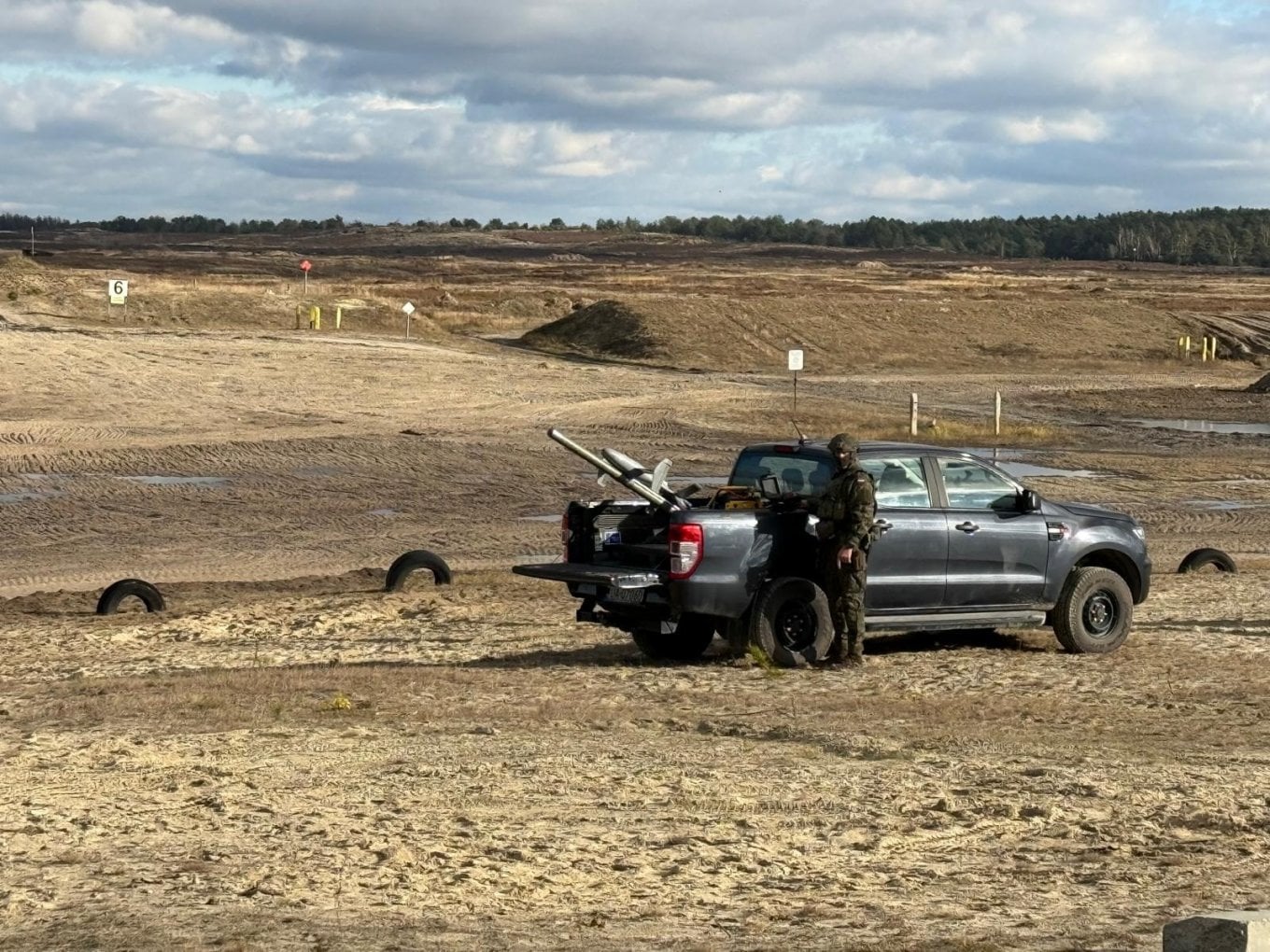
The Romanian Armed Forces is poised to integrate the Merops anti-drone system into its operations, following its successful deployment in countering Russia’s Shahed drones. General Gheorghiță Vlad, Romania’s Chief of the Defence Staff, announced that operators are currently undergoing training on the system, which has been acquired to address the escalating threat posed by aerial drones in the region.
In a press conference, Vlad stated, “We received a drone combat system. Its name is Merops. We have prepared the teams to operate this system and very soon we will introduce it into the airspace defense operation, an operation that is currently underway in Romania.”
The Merops system has already seen action in Ukraine, where it has demonstrated its effectiveness, reportedly achieving over 1,000 interceptions of Shahed-type drones. Polish forces are also testing the system as part of a NATO initiative aimed at bolstering the alliance’s eastern defenses.
Romanian media reports indicate that the system has not only been effective against actual Shahed drones, but also against replicas during testing phases, further highlighting its operational capabilities.
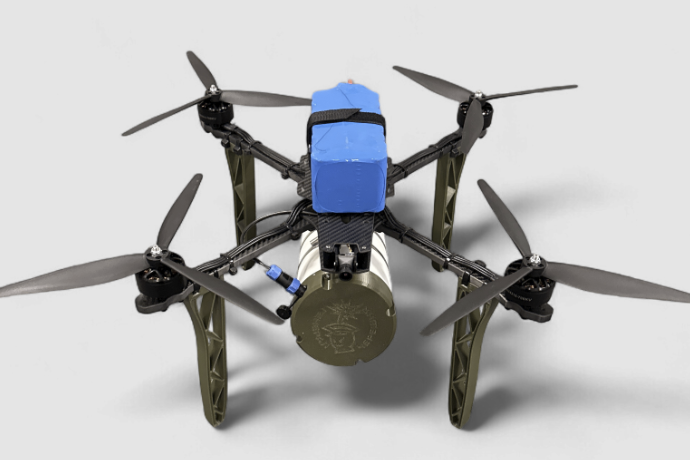
The development of the Merops system can be traced back to Project Eagle, a U.S. startup founded by former Google CEO Eric Schmidt after Russia’s full-scale invasion of Ukraine in 2022. The system features an integrated approach, combining a ground control station, a launch platform, and the fast-moving Surveyor interceptor drone into a cohesive unit.
Launched from the rear of a military truck, the Surveyor utilizes advanced sensors and artificial intelligence to detect, track, and neutralize hostile drones. Capable of carrying an explosive warhead, the interceptor can reach speeds of up to 282 kilometers (175 miles) per hour, destroying targets through either a direct impact or a proximity detonation strategy.
Financially, the Merops system represents a cost-effective alternative in aerial defense. Each interceptor is reported to cost around $15,000, significantly lower than the estimated $35,000 cost of an Iranian-designed Shahed drone. This affordability positions the Merops as a viable option against large-scale drone threats.
Operationally, the entire system can be managed by a four-person crew, consisting of a commander, a pilot, and two technicians, who can be trained in as little as two weeks. This rapid training process allows for quick deployment and responsiveness in defense operations, further enhancing Romania’s aerial defense capabilities in this evolving threat landscape.