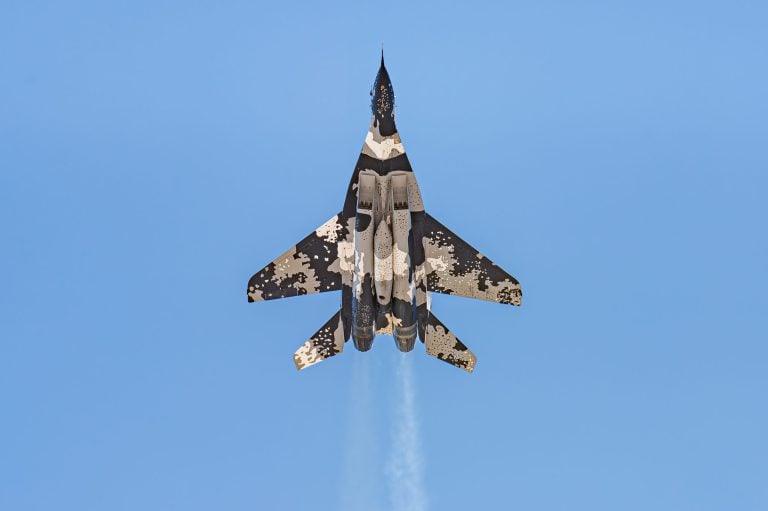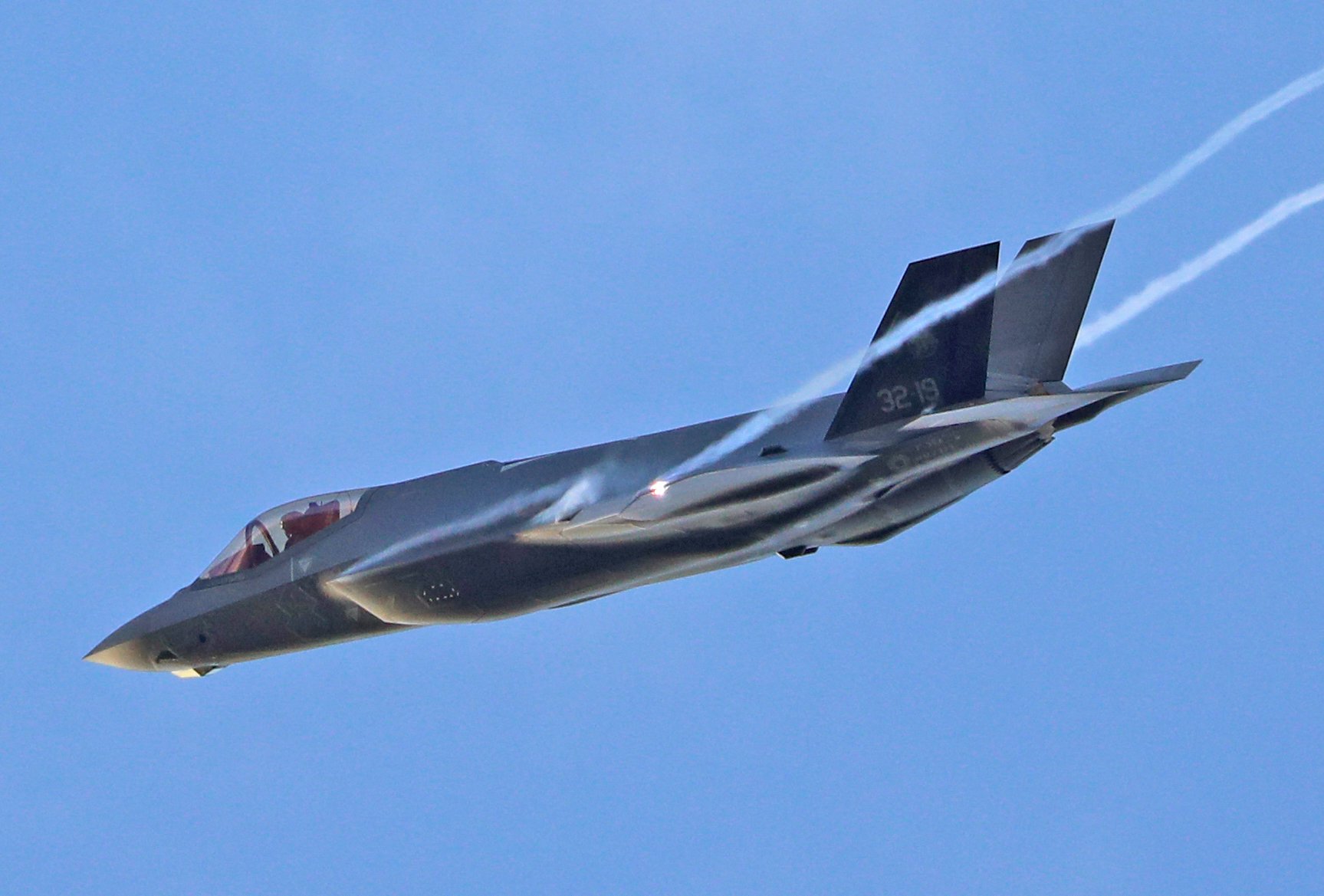
Switzerland’s plans to purchase 36 American F-35 fighter jets have encountered significant financial challenges, prompting the government to rethink its strategy. The announcement, made by Bern on Friday, highlighted escalating costs associated with the acquisition, making it unfeasible to secure the intended number of aircraft.
In a recent referendum, Swiss citizens narrowly approved a budget of 6 billion Swiss francs (approximately $7.5 billion) aimed at modernizing the country’s air force. This initiative was deemed essential, especially with the existing fleet of McDonnell Douglas F/A-18 Hornets expected to retire by 2030.
The Swiss government underscored the financial constraints caused by anticipated price surges, indicating that the initial plan for acquiring 36 F-35As must be revised. They have directed the Ministry of Defense to procure as many fighter jets as the allocated budget permits, which remains capped at 6 billion francs.
Minister of Defense Martin Pfister clarified in a press conference that the exact number of jets Switzerland will be able to buy is uncertain, as it will directly depend on the inflation rates in the United States and other economic variables.
When advocating for the F-35, the Swiss government had previously emphasized that the American fighter jet stood out as the best option available and was competitively priced compared to European alternatives, such as the Eurofighter and Rafale. Officials had communicated confidence in the pricing structure of the F-35, citing assurances from the U.S. regarding its stability.
However, a statement on June 25 indicated a sharp shift in these assurances, as the U.S. revealed potential additional costs ranging from 650 million to 1.3 billion Swiss francs. These increases were attributed to inflation and fluctuations in raw material costs, among other factors, challenging previous expectations of a fixed price.
In light of the current situation, both nations are engaged in discussions over a tariff issue that arose during President Donald Trump’s administration. This includes attempts to decrease a proposed tariff from 39 percent to 15 percent, as Switzerland looks to navigate the complexities of international procurement and trade dynamics.