




In a tense geopolitical landscape, U.S. President Donald Trump announced on Tuesday that he was contemplating a significant military assault on Iran but chose to postpone it, citing hopes for a potential diplomatic resolution to the ongoing conflict. This strategic halt was made at the request of Gulf Arab allies who have expressed deep concerns over the repercussions of escalating military actions.
Trump conveyed through his Truth Social platform that leaders from Qatar, Saudi Arabia, and the United Arab Emirates advised him to delay a planned attack, which was set for the day following his announcement. They indicated that serious negotiations were underway to reach a resolution, providing a glimmer of hope amidst heightened tensions. Despite delaying the military operation, Trump emphasized that he had ordered the U.S. military to remain ready for a “full, large scale assault” if negotiations with Iran did not yield satisfactory results.
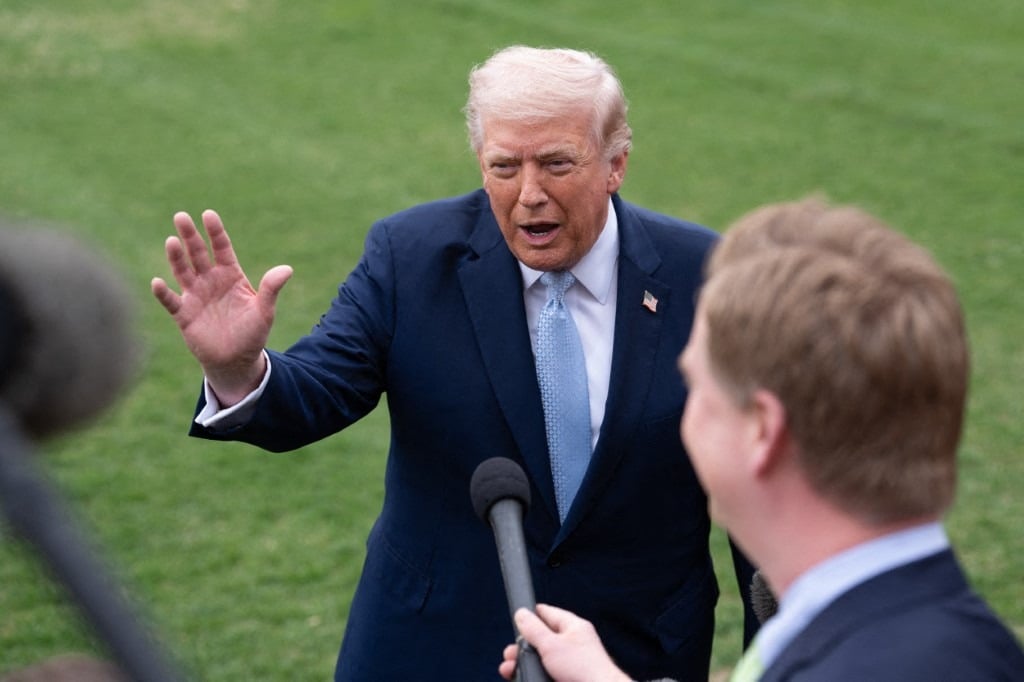
Speaking at a subsequent White House event, Trump highlighted a “very positive development,” claiming that discussions with Arab allies suggested a deal was on the horizon that would prevent Iran from obtaining nuclear weapons—a claim that Iran has consistently denied. He articulated a desire to resolve the situation without resorting to military action, stating, “If we can do that without bombing the hell out of them, I’d be very happy.”
Meanwhile, Iranian officials have pushed back against Trump’s overtures, maintaining control over the strategically important Strait of Hormuz, a critical waterway for global oil shipping. The Iranian foreign ministry confirmed ongoing exchanges with U.S. representatives through intermediary Pakistan, underscoring Iran’s concerns regarding its national security.
Iranian President Masoud Pezeshkian, often viewed as a more moderate voice within the country’s political framework, asserted that engaging in dialogue with Washington does not equate to capitulation. He emphasized Iran’s commitment to defending its “dignity” and sovereign rights. The Iranian negotiating team has raised demands that include the release of frozen assets, the lifting of longstanding sanctions, and reparations for damages incurred during the military conflict.
In recent communications, U.S. authorities have reportedly proposed a five-point plan, which includes stipulations for Iran to limit its nuclear operations significantly. In a notable development, some reports have indicated that the U.S. might be open to waiving oil sanctions while negotiations progress.
Iran’s recent proposals have included calls for a comprehensive cessation of hostilities across all fronts, including curbing Israeli military actions in Lebanon and lifting U.S. naval blockades affecting Iranian ports. The country has expressed a determination to maintain control over the Strait of Hormuz, a key transit route for global oil supplies.
As tensions continue to simmer, Iran has increased its military readiness, with the Revolutionary Guards claiming responsibility for attacks on groups that they allege are aligned with the United States and Israel. Their operations reportedly target smuggling attempts in the Iranian province of Kurdistan, highlighting ongoing suspicions and hostilities in the region.
Furthermore, regional anxieties have escalated following a drone strike that resulted in a fire near a nuclear facility in Abu Dhabi, with officials hinting at possible Iranian involvement. Public analysts suggest that Trump’s latest remarks may be an attempt to reshape the narrative of the conflict, allowing him to portray himself as proactive and in control amid the delicate negotiations unfolding in the Gulf.
As the situation continues to evolve, the international community remains watchful for potential developments that could shape the future of U.S.-Iran relations, as well as the broader geopolitical dynamics in the region.


