




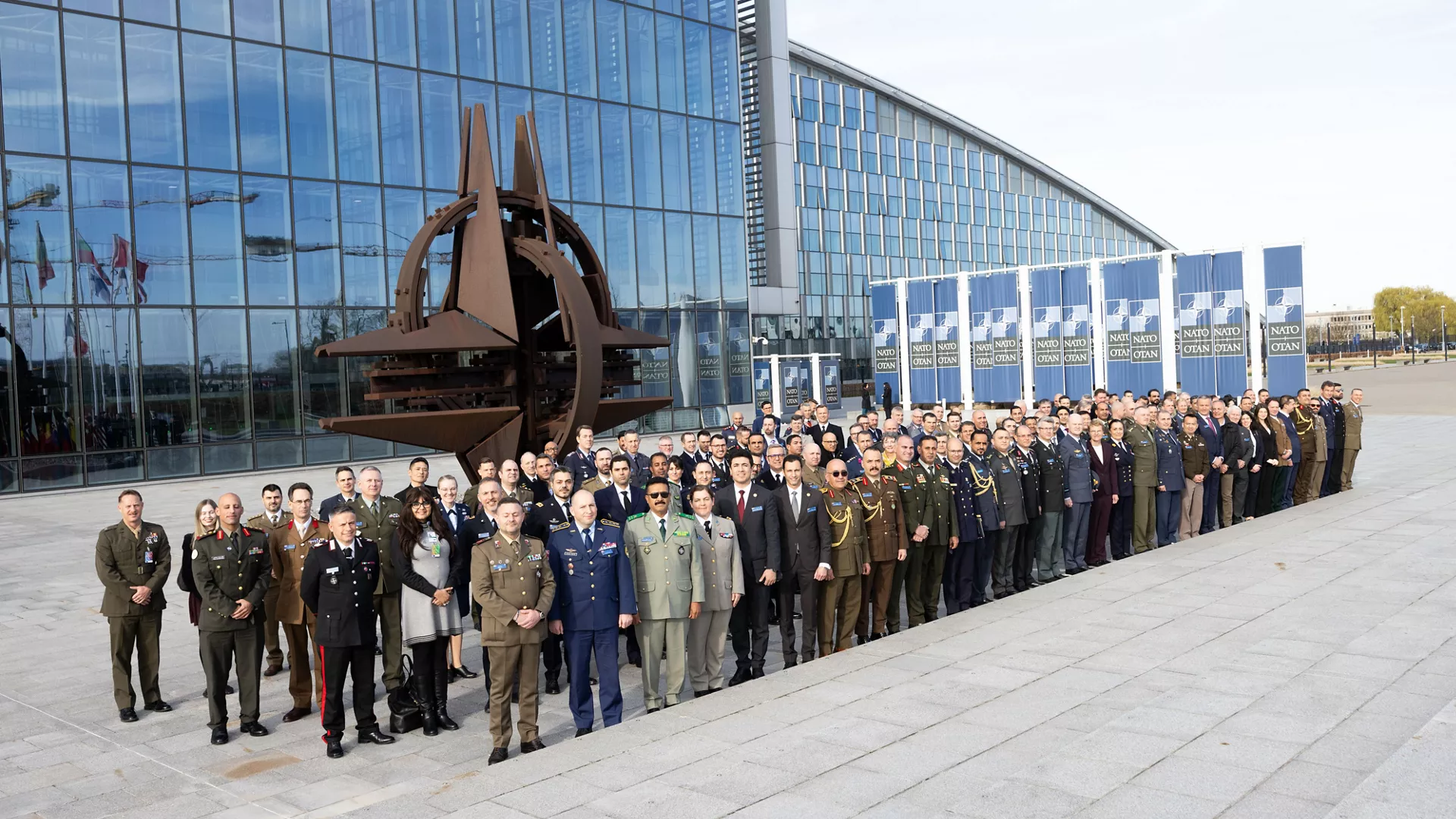
A recent analysis sheds light on the crucial implications of NATO’s Article 5, emphasizing its role in collective defense among member nations. This principle, which asserts that an attack on one ally is an attack on all, stands at the heart of NATO’s foundational agreement formed in 1949. The purpose of this commitment extends far beyond military collaboration; it embodies a unified deterrent against aggression and reassures member states of mutual support.
Born from the aftermath of World War II and during the onset of the Cold War, Article 5 was designed to facilitate regional stability. Countries in Europe were keen to create a safety net, while the United States sought a mechanism to ensure its involvement in international security without the burdens of unilateral action. This collaboration resulted in a strategic framework wherein member states agree to assist one another in times of crisis.
The structure of Article 5 is notably flexible. Unlike a rigid military mandate, it allows countries to choose how to respond to threats, encompassing military, political, economic, and diplomatic measures. This flexibility means that while there is a unified commitment, the nature of each state’s response can vary significantly based on individual policies and the context of the attack. Importantly, a collective military response is not a prerequisite, enabling nations to leverage diverse forms of support.
In practice, the invocation of Article 5 has been rare, designed precisely to deter potential hostility. It was implemented only once after the September 11 terrorist attacks in 2001, prompting a range of reactions from NATO members. These included military deployments, intelligence collaborations, and increased counterterrorism efforts. This incident exemplified the adaptability of Article 5, as each nation tailored its response to the unique circumstances.
Decision-making under Article 5 involves extensive consultations among member states, ensuring a coordinated and credible response. This process requires aligning assessments and agreeing on the best course of action, emphasizing the collective nature of NATO’s defense.
The strategic importance of Article 5 cannot be overstated. By asserting a unified response to aggressor actions, it acts as a powerful deterrent against attacks on individual nations. This not only bolsters the defensive posture of NATO but also reinforces political cohesion among member states, particularly benefiting smaller countries that may feel vulnerable on their own.
While the potential of Article 5 is significant, it is not without limitations. Each member has the autonomy to determine how best to meet its obligations, influenced by political and operational realities. Additionally, with the landscape of threats evolving—encompassing terrorism, cyber warfare, and hybrid threats—there is a pressing need for NATO to continuously adapt its collective defense strategies.
Ultimately, Article 5 stands as the bedrock of NATO’s collective defense framework. Its strength lies not merely in the fact that it has been invoked once, but in the deterrent message it conveys: any attack against one member risks provoking the entire alliance. The assurance that no member stands alone forms a critical component of international security, shaping how NATO allies respond to emerging threats while fostering a sense of unity and resilience.


