The United States has recently apprehended an oil tanker off the coast of Venezuela, a move that has prompted a fierce response from Caracas, which has characterized the incident as “theft and kidnapping.” This interception marks the second time within two weeks that U.S. forces have targeted a tanker in the region, coinciding with President Donald Trump’s announcement of a blockade aimed at vessels associated with sanctioned oil transport to and from Venezuela.
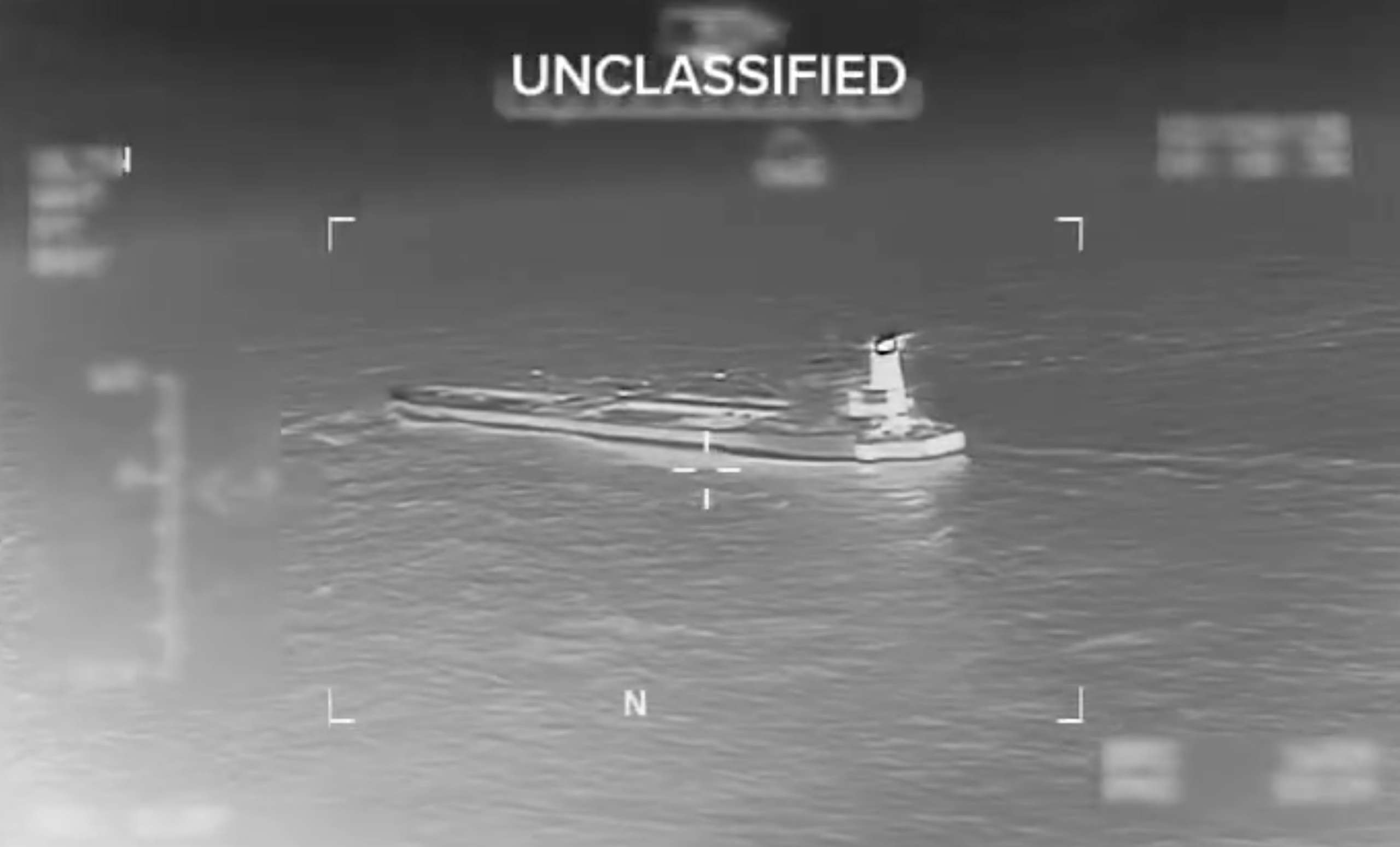
On December 20, U.S. Homeland Security chief Kristi Noem reported that the Coast Guard, supported by the Department of War, executed a pre-dawn operation to capture the vessel, identified as the Centuries. This Chinese-owned, Panama-flagged tanker was reportedly last docked in Venezuela, where it loaded 1.8 million barrels of crude oil. After leaving a Venezuelan port, the ship was escorted out of the nation’s exclusive economic zone two days prior to the apprehension.
Noem’s announcement was accompanied by aerial footage of the operation, showcasing a helicopter hovering over the tanker. The U.S. government emphasized that the Centuries allegedly contained oil linked to Venezuela’s state oil company, PDVSA, and described it as part of a “shadow fleet” operating under false flags.
In defense of the seizure, U.S. officials reiterated their commitment to combat the illicit movement of sanctioned oil that they claim funds activities detrimental to U.S. interests. However, an investigation revealed that the Centuries was not listed among sanctioned entities by the U.S. Treasury Department, raising questions about the basis for its interception.
Venezuelan officials have condemned the action, with Defense Minister Vladimir Padrino Lopez asserting that the nation is engaged in a struggle against manipulation, military threats, and psychological warfare. Foreign Minister Yvan Gil echoed these sentiments, indicating support from Iran in countering what he termed U.S. piracy and terrorism.
The U.S. military’s increased presence in the Caribbean, reportedly involving 11 warships including a significant aircraft carrier and various cruisers and destroyers, is aimed particularly at Venezuela under the guise of combating regional drug trafficking. This heightened military activity has sparked concerns regarding its legality and the potential loss of life, with critics highlighting the over 100 casualties reported in recent air raids targeting alleged drug trafficking vessels.
Meanwhile, regional tensions were palpable during a recent summit of South American leaders under the Mercosur bloc, where discussions surrounding Venezuela overshadowed trade negotiations with the European Union. Brazilian President Luiz Inacio Lula da Silva and Argentinian President Javier Milei engaged in a heated exchange, reflecting differing stances on U.S. influence in the region and the potential for armed conflict over Venezuela’s situation.
As the international community observes these developments, the repercussions of the U.S. operations and Venezuela’s response signal an escalating confrontation that could impact regional stability and trade relationships in the near future.