




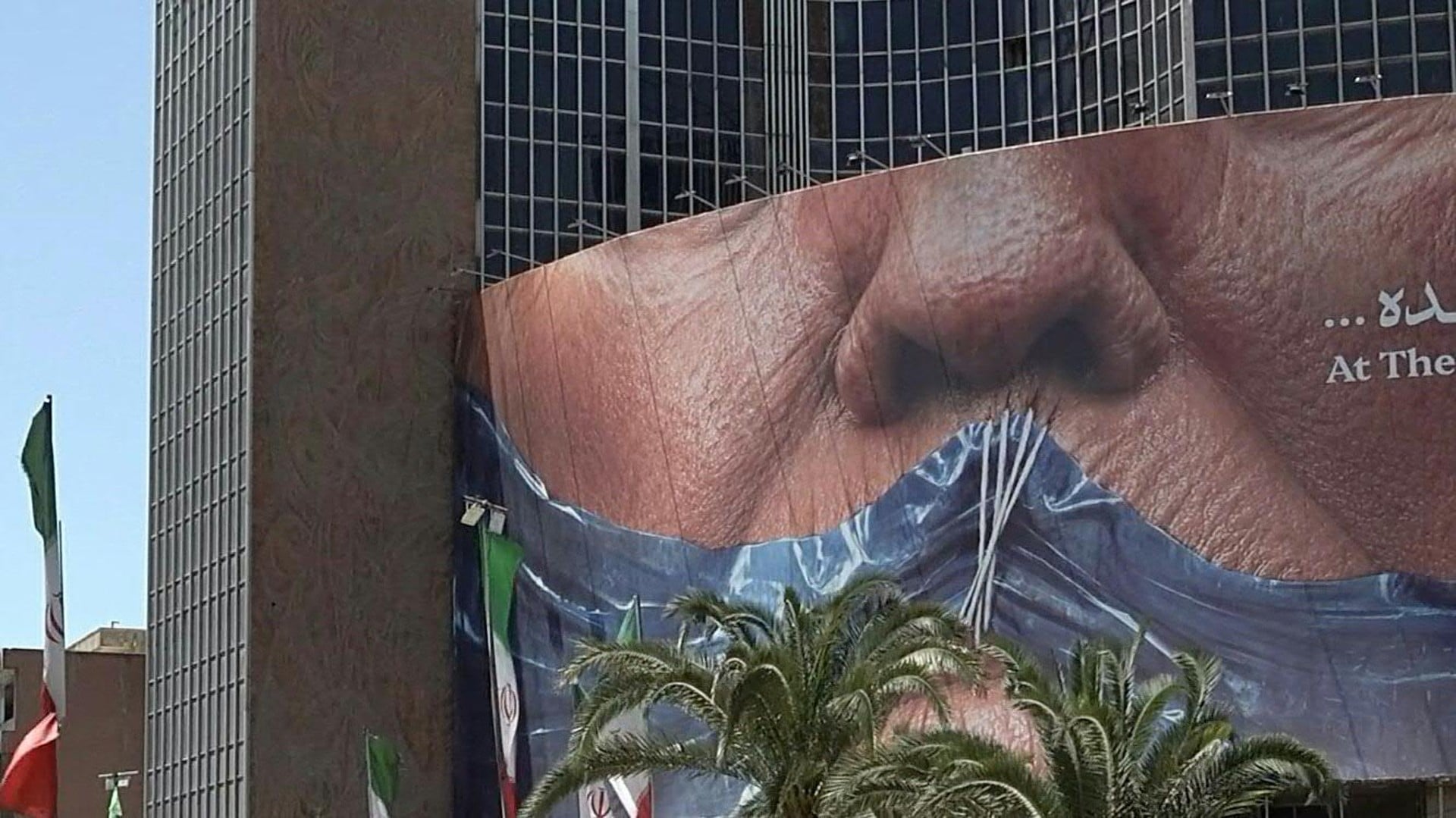
The situation in southern Iran escalated dramatically on Thursday as US forces conducted airstrikes, which sparked a retaliatory attack from Iranian military units. This outbreak of hostilities marks the most significant violence since a ceasefire was established in April, raising concerns about the stability of diplomatic efforts aimed at concluding the ongoing war.
The latest clashes originated when Iranian forces targeted four vessels attempting to navigate the strategically crucial Strait of Hormuz, according to reports from Iranian state broadcaster IRIB. In response, US forces struck a ground control station in the southern port city of Bandar Abbas. The US official, speaking anonymously, confirmed the strikes, which were reportedly met with swift retaliation from Iranian forces.
The Iranian Revolutionary Guards announced that they retaliated against the US military base believed to have launched the attack. In a statement, they detailed that the response occurred at 4:50 am local time, following what they termed as “aggression” by US aerial projectiles on a site near Bandar Abbas Airport. While specific details about the location were not disclosed, Kuwait’s military signaled that its air defenses were activated in response to the perceived threat.
Risking the fragile diplomatic negotiations aimed at reaching a formal end to the conflict, these fresh confrontations also jeopardize efforts to reopen the Strait of Hormuz. The strait has been a flashpoint in the ongoing conflict, with Iranian forces effectively blocking passage and disrupting global energy supplies. On the heels of the strikes, oil prices surged, reversing previous declines as speculation swirled around the possibility of a near-term deal.
In parallel, the situation in Lebanon also intensified, as Israel conducted airstrikes on the southern city of Tyre, targeting infrastructure linked to the Iran-backed militant group Hezbollah. This escalation comes amidst ongoing threats from Israeli officials to “crush” Hezbollah, which engaged Israel in retaliatory attacks following the death of Iran’s supreme leader earlier in the conflict.
US President Donald Trump’s comments added another layer of tension, as he appeared to deliver a stark warning to Oman—a nation acting as a mediator in the conflict—stating that international waters, including the Strait of Hormuz, must remain open to all. His remarks raised eyebrows, leaving some to speculate on the mixed messages being communicated through diplomatic channels.
The US Treasury recently imposed new sanctions on an Iranian agency responsible for collecting fees for vessels traversing the Strait, underscoring the ongoing economic and military pressures placed on Tehran.
Negotiations appear stymied as both the US and Iranian sides remain steadfast in their positions, particularly concerning control of the Strait and Iran’s nuclear aspirations. Both parties continue to engage in a war of words while engaging in indirect negotiations through Pakistani intermediaries.
Despite the ongoing violence, there are tentative signs of normalcy returning in Iran, where authorities have partially restored access to the global internet after a three-month hiatus. Nevertheless, citizens express anxiety about the conflict’s potential resurgence, highlighting a prevailing sense of uncertainty.
As various regional players respond and maneuver amid this complex situation, many in Iran remain cautious, hoping for stability while bracing for potential escalations.


