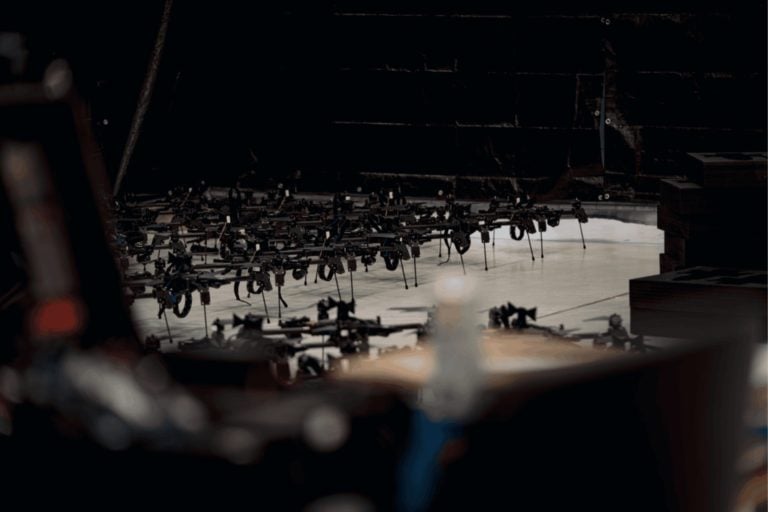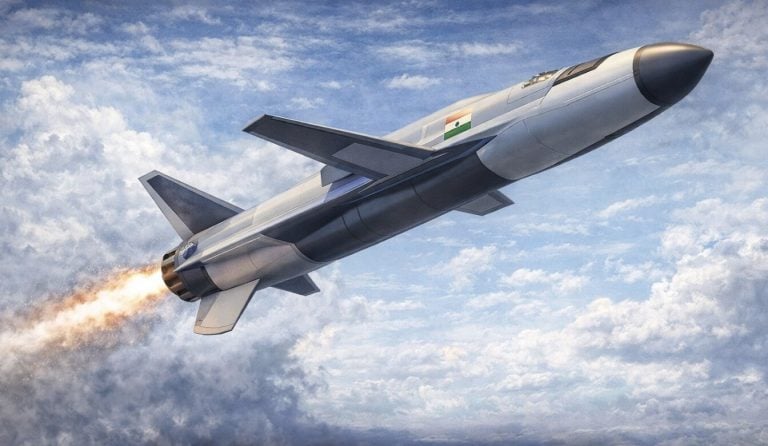
The recent enactment of the 2026 National Defense Authorization Act (NDAA) marks a significant evolution in the United States’ global defense strategy. With a budget exceeding $900 billion, the act represents not only a fiscal commitment but a paradigm shift in how the U.S. envisions its role in international relations. The approach is moving from a traditional “rules-based order” towards what some are now calling a “factory-based order,” where geopolitical influence and partnerships are increasingly measured by manufacturing capabilities and participation in the U.S. defense industrial base.
For many middle powers and nations in the Global South, the implications of this new direction are considerable. The U.S. is communicating an expectation that any partnership will entail a commitment to industrial contributions that align with American defense priorities. This emerging framework prioritizes co-production and aligning supply chains over conventional diplomatic engagement, suggesting that access to U.S. protection may soon depend on a nation’s willingness to contribute economically to the defense industry.
Historically, U.S. supremacy was upheld by a balance of military prowess and diplomatic negotiation. However, the 2026–2030 strategic plan from the State Department indicates a shift—instructions emphasize securing access to critical infrastructure and leveraging the American industrial base as new diplomatic tools. Though the NDAA itself does not directly cut foreign aid, it parallels budget proposals that suggest major reductions, potentially by up to 22 percent for agencies like the State Department and USAID.
This trend may see future diplomacy less focused on negotiation and mediation, and more on facilitating arms transactions, with systems such as Patriot and THAAD becoming tools of geopolitical leverage. In this context, the role of diplomats could evolve from mediators to procurement specialists, reflecting an uncomfortable fusion of defense and diplomacy.
The problems inherent in this “hardware-first” strategy have already surfaced in regions like the Middle East. The situation in Syria, particularly in the fragile political landscape following the Assad regime, highlights the disparity between military support and political stabilization efforts. While the NDAA allocates substantial funding for missile defense systems and co-production with Israel, it offers scant resources aimed at addressing the underlying social, sectarian, and economic issues plaguing post-conflict governance. This scenario illustrates the limitations of viewing security through a transactional lens, inevitably leaving spaces for extremist groups and rival powers to exploit.
At the domestic level, Washington is exerting stringent oversight over its defense contractors. An executive order issued on January 7 mandates that major defense firms cannot engage in stock buybacks or dividend distributions if they fail to meet specified production timelines or underinvest in their capacity. Alongside NDAA provisions like the SPEED and FoRGED Acts, the overarching message is clear: U.S. deterrence is now closely linked to industrial output rather than just technological innovation.
For U.S. allies, this policy shift is fraught with challenges. The NDAA’s emphasis on Partnering for Indo-Pacific Industrial Resilience serves to pressure countries such as Japan and India to conform their domestic manufacturing to U.S. standards, which many perceive as an effort to Americanize global supply chains. This creates a dilemma where allies must choose between U.S.-centric systems and alternative, often cheaper options, such as those provided by China’s Belt and Road Initiative.
In Europe, similar concerns have emerged. NATO allies, feeling the weight of scrutiny over their industrial contributions, are looking to initiate their own projects, like the European Sky Shield, to reduce reliance on U.S. systems. The objective is not outright disengagement from the U.S. but rather maintaining a level of strategic autonomy within a security architecture heavily influenced by American production.
Despite the potential for revitalizing the U.S. manufacturing base and enhancing deterrence capabilities through increased output, a strategic risk underlies this approach. Effective diplomacy relies on qualities such as patience, credibility, and empathy—attributes that are not easily quantified. As the U.S. leans heavily on its industrial capacity, there is a risk that it may forfeit its ability to lead effectively in other realms, such as climate change and economic inequality.
As the United States transitions from being a global leader into what some might term an “American Arsenal,” it faces a critical juncture. While industrial strength can undoubtedly bolster leadership, it cannot supplant the need for persuasion in international relations. Ultimately, a reliance on force without the accompanying art of diplomacy risks alienating potential allies, even as U.S. factories operate at full capacity. This emerging reality underscores the importance of balancing production capabilities with a nuanced approach to global diplomacy.