The US Navy has awarded a substantial contract worth $988 million to General Dynamics Information Technology (GDIT) aimed at modernizing its digital systems that connect ships, aircraft, and shore operations. This contract, part of the Ship and Air Command, Control, Communications, Computers, Combat, Intelligence, Surveillance, and Reconnaissance (C5ISR) Systems Support program, includes a one-year base period along with four optional one-year extensions and an additional six-month option.
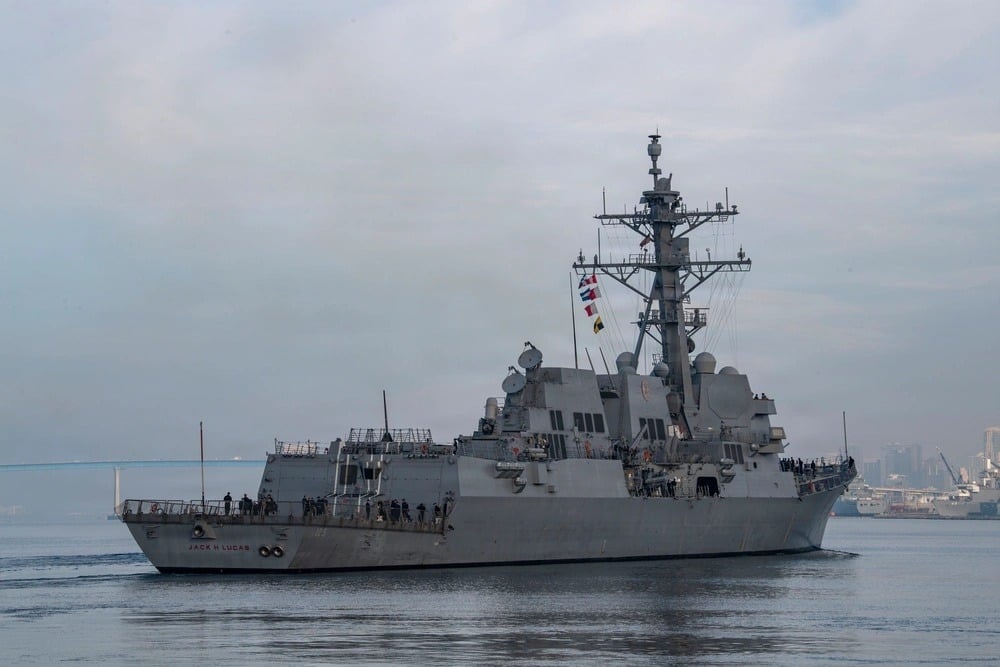
GDIT is tasked with upgrading, integrating, and maintaining C5ISR systems across a wide range of naval assets. This includes all classes of surface combatant vessels, such as guided missile destroyers and aircraft carriers, as well as coast guard ships, manned and unmanned aircraft, and associated shore stations. The contract encompasses various facets of work including engineering, procurement, logistics, and onboard installation, which is designed to ensure the operational readiness and mission capability of the Navy’s current fleet.
Brian Sheridan, GDIT’s senior vice president for defense, emphasized the importance of C5ISR systems, stating they are fundamental to the Navy’s capabilities in terms of sensing, communication, and combat effectiveness in modern warfare environments.
In recent years, the Navy has made concerted efforts to enhance its operational capabilities through a series of contracts with multiple defense contractors. For instance, in April 2024, the Navy selected Lockheed Martin for an advanced micro-electronics package intended for the MH-60R Seahawk helicopters, facilitating quicker and more precise threat detection.
Additionally, in October 2024, Leidos secured a $248 million contract to provide support for unmanned and automated systems at the Naval Information Warfare Center Pacific. Further highlighting the Navy’s focus on updating its assets, Kratos Defense & Security Solutions received a Phase 1 contract in October 2025 to develop a sustainment program for the AN/SPY-1 radar systems, which are critical sensors aboard Aegis-equipped cruisers and destroyers.
These initiatives reflect a broader strategy by the US Navy to bolster its technological edge and maintain operational superiority amid evolving global threats and challenges.