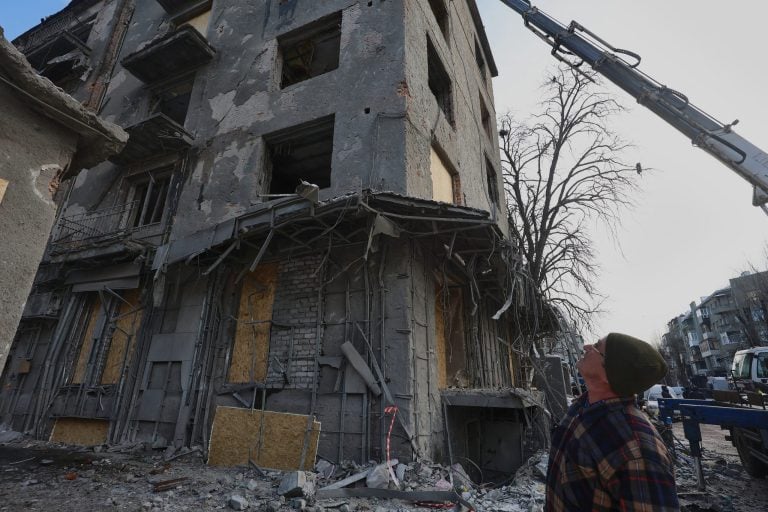
Venezuela is accusing the United States of launching an “extremely serious military aggression” following a series of explosions that shook the capital, Caracas, early Saturday morning. This incident follows a prolonged campaign of pressure exerted by President Donald Trump on the South American nation, prompting fears of military action that had been growing among Venezuelans for weeks.
Reports from U.S. media outlets, including Fox News and CBS News, suggest that military strikes have begun against Venezuela, marking a significant and alarming escalation in tensions. However, neither the White House nor the Pentagon has commented on these accusations or the reported attacks.
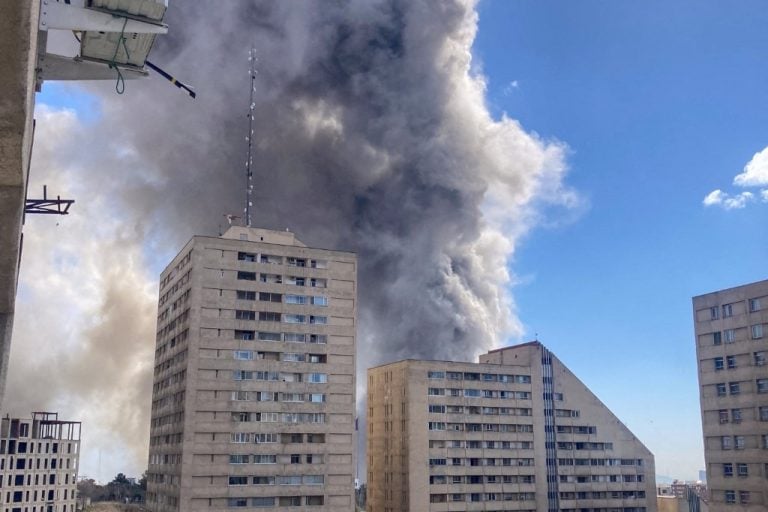
Witnesses reported hearing loud explosions and the sound of planes flying over Caracas, with blasts being heard around 2:00 a.m. Additionally, La Guaira, a coastal city north of the capital where major transport hubs are located, also reported similar disturbances.
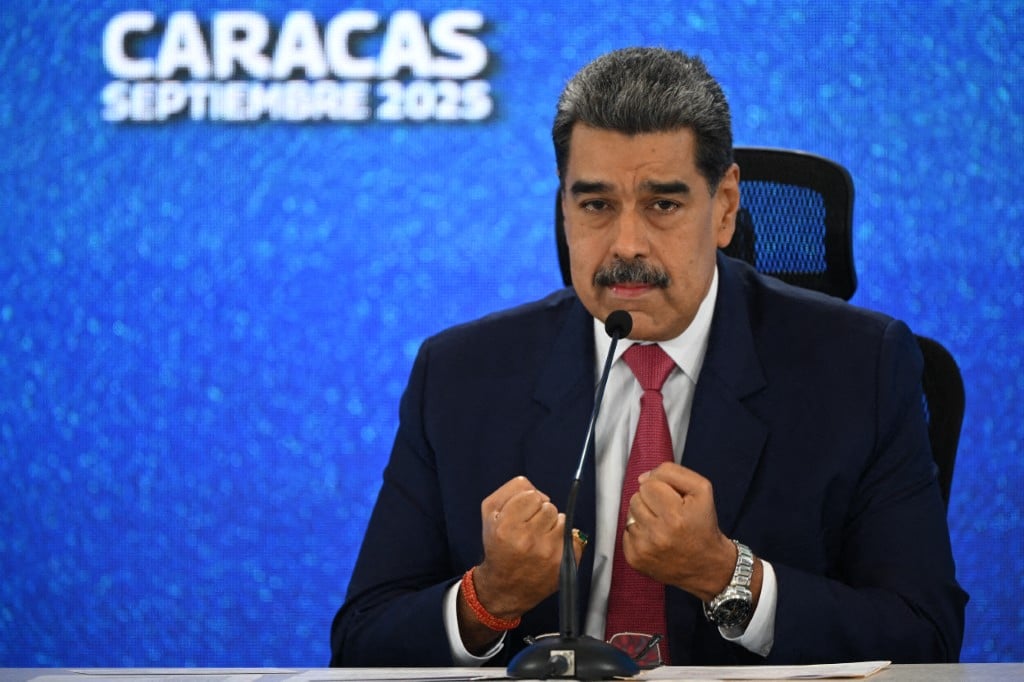
In response to the attacks, the Venezuelan government, led by President Nicolas Maduro, expressed strong condemnation. “Venezuela rejects, repudiates, and denounces before the international community the extremely serious military aggression perpetrated by the current government of the United States of America against Venezuelan territory and people,” a government statement declared. In light of these developments, Maduro announced a state of emergency across the nation.
The situation has prompted calls for urgent international intervention, with Colombia’s president advocating for an emergency United Nations meeting to address the strikes. Gustavo Petro, the Colombian leader, took to social media to alert the global community about the situation, emphasizing the significance of the attack on Venezuelan sovereignty.
Confusion and fear engulfed Caracas as the explosions rang out. Residents hurried to their windows and terraces in a bid to understand the unfolding events. Emmanuel Parabavis, a 29-year-old public relations employee, reported hearing explosions near the Fort Tiuna military base and described sounds resembling machine gun fire amid the chaos.
Others, like Francis Pena, recounted their frightening experiences. Woken by the noises, he began to prepare an emergency bag packed with essentials, including passports and canned food, signaling the level of panic gripping the populace.
The escalation into military action comes after Trump had previously mobilized an aircraft carrier and warships to the Caribbean under the guise of an anti-drug smuggling initiative. In a recent statement, he claimed that U.S. forces had successfully struck a docking area used by alleged Venezuelan drug boats, marking what would be the first known land strike in this campaign.
While Maduro had not confirmed the specifics of this strike, he had indicated a willingness to engage cooperatively with the United States. Conversely, the Trump administration has labeled Maduro as the head of a drug cartel, a claim the Venezuelan leader has consistently denied, asserting that U.S. actions are motivated by a desire to overthrow him, particularly due to Venezuela’s vast oil reserves.
Alongside military threats, the U.S. has tightened its grip on Venezuela by imposing new sanctions, effectively closing its airspace, and ordering the seizure of oil tankers. Since September, U.S. forces have conducted numerous operations targeting what are described as drug traffickers in the Caribbean, with reports indicating that these actions have resulted in at least 107 casualties.
As the situation continues to develop, both nations remain on edge amid rising tensions that have the potential to escalate further.