




On February 27, the government announced the securing of a 9,000-sq-km block to explore copper and cobalt in a region in Zambia known for high-grade deposits. With production in domestic mines faltering, the project is a crucial step for India to establish overseas mining operations. On February 25, the White House warned in a fact sheet on “threat to national security from imports of copper” that the “overreliance on foreign copper” could “jeopardize U.S. defense capabilities, infrastructure development, and technological innovation”.
Why India, China, US Racing To Secure Supplies Of Copper
Why In News
- On February 27, the government announced the securing of a 9,000-sq-km block to explore copper and cobalt in a region in Zambia known for high-grade deposits. With production in domestic mines faltering, the project is a crucial step for India to establish overseas mining operations. On February 25, the White House warned in a fact sheet on “threat to national security from imports of copper” that the “overreliance on foreign copper” could “jeopardize U.S. defense capabilities, infrastructure development, and technological innovation”.
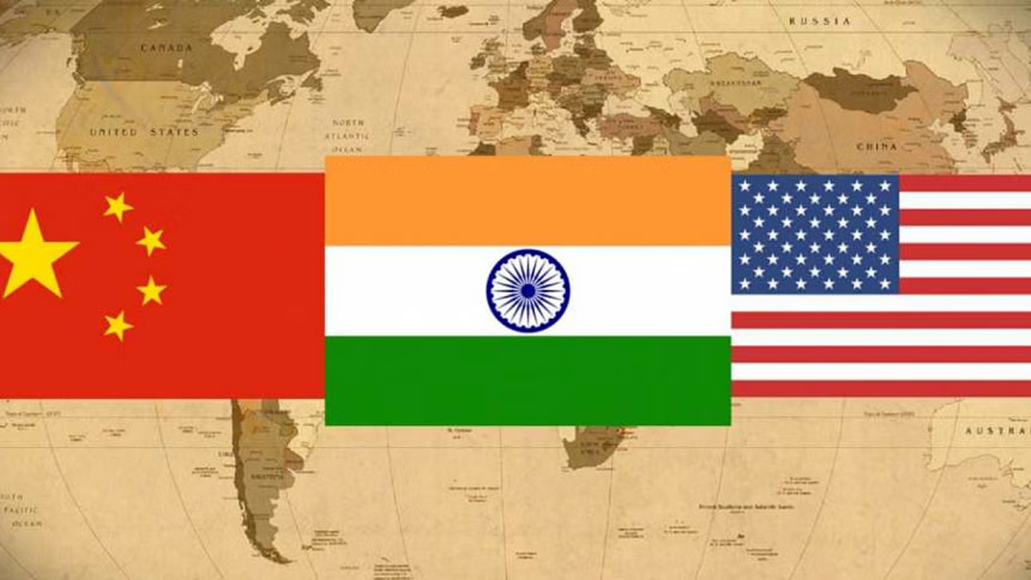
- On February 17, Bloomberg reported that with supply of copper ore tightening, China is moving to rein in smelting overcapacity – companies looking to build new smelters must secure long-term contracts with copper mines, many of which are in the Democratic Republic of Congo (DRC), Chile, and Peru. China controls half of the world’s smelting and refining capacity.
Why Copper Mining Matters
- With the demand for copper, led by electric vehicle (EV) batteries and clean energy technologies, projected to outstrip supply from mines by 2035, countries such as India, China, and the United States are scrambling to secure supply chains and strengthen domestic capabilities.

- The race for copper will only intensify over the next decade. In the copper value chain, ore is processed into concentrate, smelted into anode, and refined into cathode – this is essential to produce rods, sheets, wires, and other industrial inputs. While more recycling and alternative battery chemistries could ease pressure on primary supply, mining remains critical to meeting global demand.

India’s Overseas Focus
- Copper is listed as a critical mineral in India. Domestic ore production in 2023-24 was 3.78 million tonnes (mt), 8% lower than in 2018-19. Between April and January in the current financial year, ore production by government-owned Hindustan Copper Ltd (HCL), the sole domestic copper miner, was 6% lower year-on-year.

- Due to stagnant domestic ore production, India’s copper concentrate imports have doubled in value terms to Rs 26,000 crore in 2023-24 from 2018-19. While India has large copper deposits, they require extensive exploration before mining can commence. Globally it takes up to 17 years on average to operationalise a copper mine.
- To meet demand in the short term, India has been looking to secure both greenfield and brownfield mineral assets in copper-rich countries such as Zambia, Chile, and the DRC. Deposits in these countries are typically of higher grade than in India – and because of their extensive focus on mining, projects could develop faster. However, investments in overseas mineral assets carry significant geopolitical risks.

Spotlight on Africa
- The share of Africa in the production of critical minerals such as copper, lithium, and natural graphite is rising. “The continent already accounts for 70% of global cobalt production and 16% of global copper production… The DRC is on course to become the world’s second-largest copper supplier by 2030,” the International Energy Agency (IEA) said in a report last year.
- India has got the 9,000-sq-km block in Zambia’s Northwestern province on a government-to-government basis. The Geological Survey of India (GSI) will explore the land, which is roughly six times the size of Delhi. In the neighbouring Copperbelt province, the Vedanta Group owns a large copper mine.
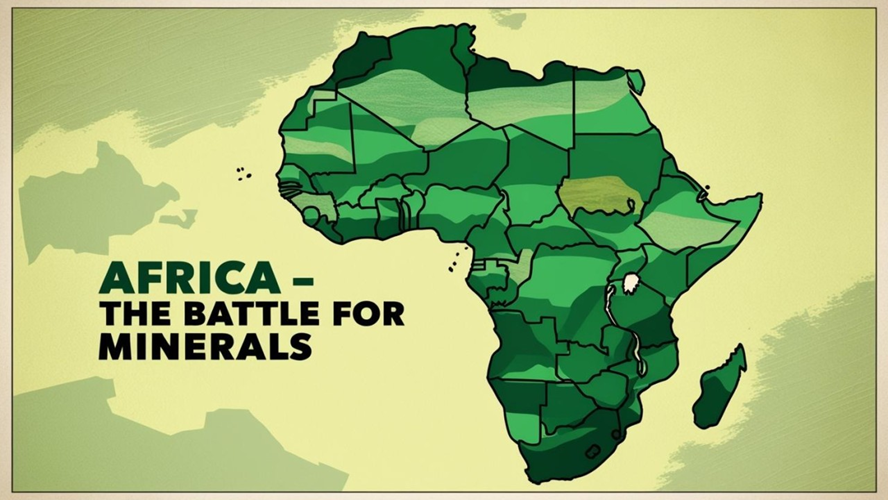
- Zambia is the seventh largest producer of copper in the world. (Chile, Peru and DRC are numbers 1, 2, and 3 respectively.) Canada-based First Quantum Minerals and China’s state-owned Nonferrous Metal Mining are among the largest producers of copper in the country.
- India’s Ministry of Mines is working through nodal officers in the DRC, Tanzania, Mozambique, and Rwanda to acquire more critical mineral assets for exploration, but competition from other countries will remain fierce.
China and Trump
- On February 25, President Donald Trump signed an executive order to launch an investigation into “how copper imports threaten America’s national security and economic stability”.
- The White House fact sheet noted that “Copper plays a vital role in defense applications, infrastructure, and emerging technologies like clean energy, electric vehicles, and advanced electronics”, and is the “Defense Department’s second-most utilized material”.
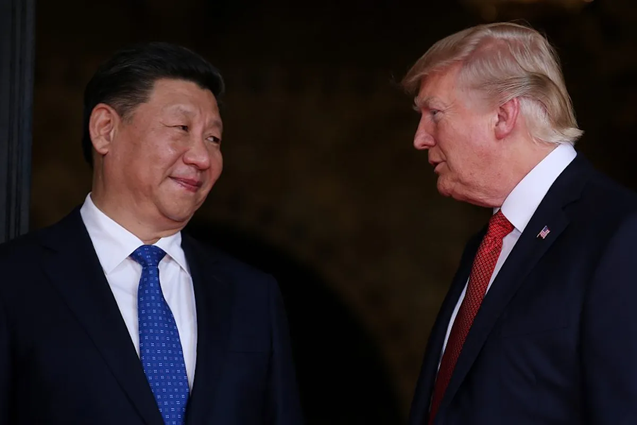
- Despite ample copper reserves, however, “America’s smelting and refining capacity lags behind global competitors like China, which controls over 50% of global smelting”, and the US does not figure in the top five countries in copper smelting capacity, the fact sheet said.
- The investigation, it said, would identify the “vulnerabilities in the [US] copper supply chain”, and make recommendations on potential tariffs, export controls, and incentives to increase production and “enhance the resilience of America’s domestic copper industry”.
- China’s steps to control overcapacity, on the other hand, reflect the twin trends of falling treatment and refining charges (TCRCs), and the widening gap between demand and primary supply.
- TCRCs have declined in part due to excess capacity, which has squeezed smelter margins and hit the viability of operations in several places, including China. At the same time, the outlook for copper concentrate availability remains weak.
Conclusion
- “With significant overcapacity, utilisation rates will inevitably fall as custom smelters struggle to secure concentrate supplies. …Overcapacity has to be reduced in order to bring the custom concentrate market back into balance. This year is…likely to see some smelters suspended or closed as well as delays to the start-up of new projects,” energy data analytics provider Wood Mackenzie noted in its outlook for copper in 2025.


