Yemen’s separatist movement, backed by the United Arab Emirates (UAE), has declared a two-year transition towards independence amidst escalating tensions with the Saudi-led coalition. This announcement comes on the heels of a series of airstrikes that reportedly killed 20 fighters from the Southern Transitional Council (STC), targeting military bases, an airport, and other strategic locations.
The STC’s independence bid marks a significant escalation in Yemen’s protracted conflict, which has remained fractured since the nation was split into North and South from 1967 until its reunification in 1990. If the STC’s plan comes to fruition, the entity would officially be termed “South Arabia.” STC president Aidaros Alzubidi emphasized that the transition phase would involve engaging in dialogue with the northern regions controlled by the Iran-backed Houthi rebels and potentially holding a referendum on independence.
However, Alzubidi has warned that the STC would move to declare independence immediately if peace talks fail or if there are further military incursions into southern Yemen. He called upon the international community to mediate discussions between the various factions in both the South and North.
The STC’s forces have recently gained control over resource-rich areas such as Hadramawt and Mahra, proceeding largely without resistance. This rapid territorial expansion has strained relations between the UAE and Saudi Arabia, both of whom have historically backed rival factions within Yemen’s fragmented governance structure.
In what has been dubbed an “existential” struggle, the separatists claim they are engaged in a battle against forces supported by Saudi Arabia, fitting into a broader narrative of combating radical Islamism—an issue that has long been a priority for the UAE. The coalition forces launched extensive airstrikes on Friday, a response to alleged arms shipments, marking the first notable casualties for the STC since its offensive began.
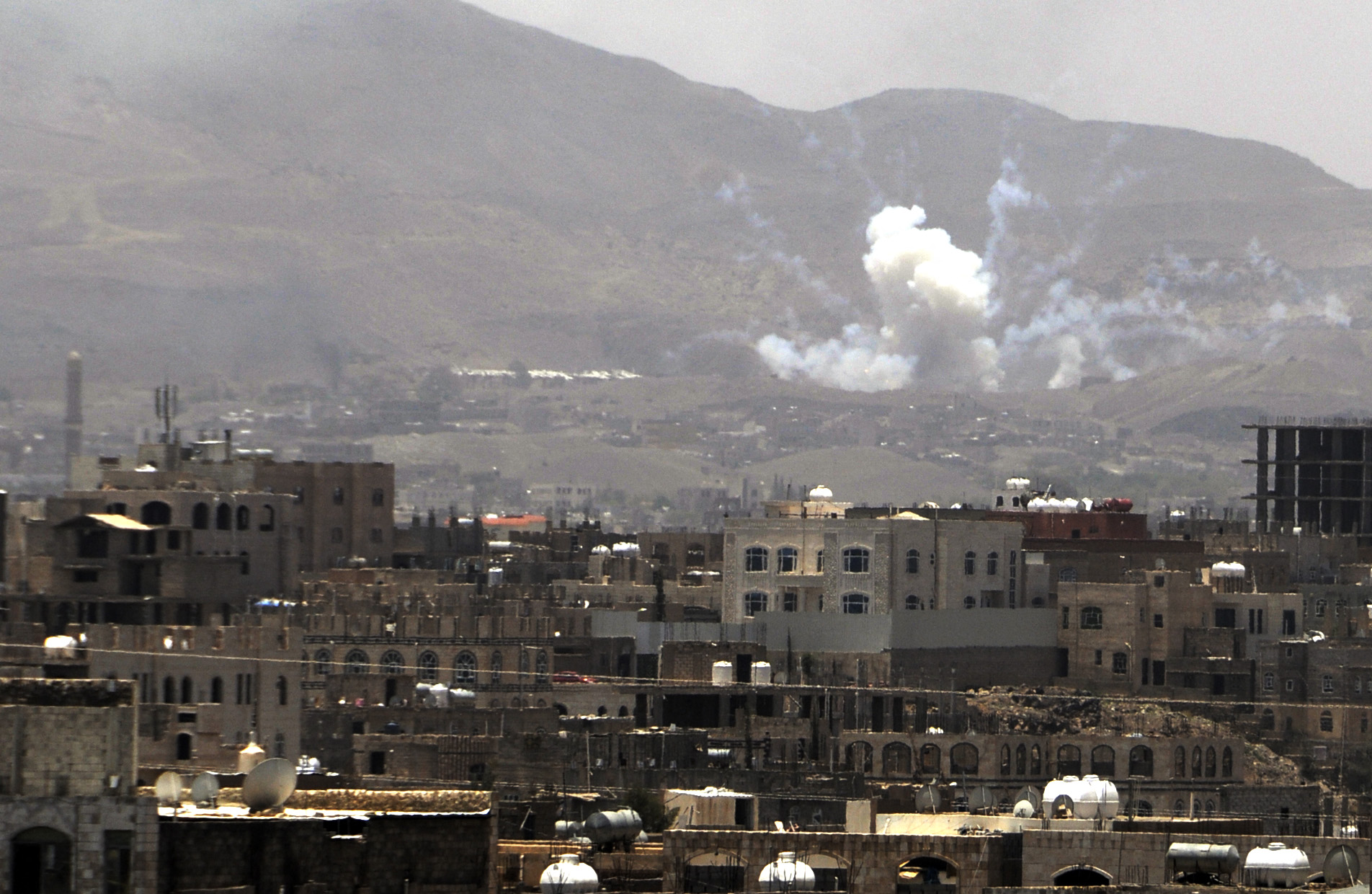
Incidents reported in the aftermath included multiple airstrikes targeting the Al-Khasha military camp and other military bases. Residents described a chaotic scene with Saudi planes pursuing STC fighters, characterized by explosive flashes and strikes at checkpoints to clear paths for advancing Saudi-backed forces.
Official statements from the Saudi-led coalition confirmed their commitment to halting operations until the STC relinquishes control of the contested territories. Tensions have further escalated as pro-Saudi forces began a campaign aimed at “peacefully” regaining military sites in Hadramawt, an assertion that has not quelled fears of impending conflict.
For years, the coalition—comprised mainly of wealthy Gulf states—has attempted to quash Houthi control, which emerged after the group ousted the legitimate government in 2014, further complicating Yemen’s ongoing humanitarian crisis. The STC operates within a government structure that lacks cohesion yet unites various factions against the common adversary of the Houthis.
The conflict remains complicated, with the UAE having withdrawn most of its military presence by 2019, reaffirming a commitment to an eventual dialogue for peace despite the recent confrontations. The strategic developments in Yemen continue to unfold as international stakeholders seek a sustainable resolution to a conflict that has persisted for almost a decade.