




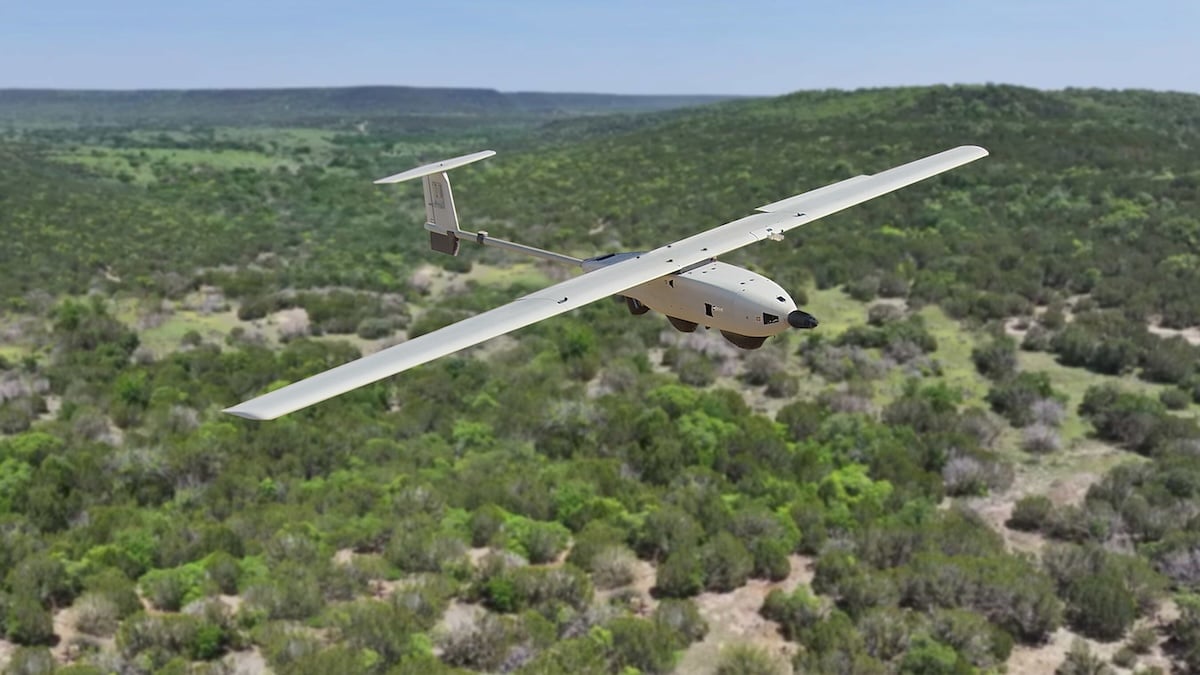
Lockheed Martin’s Skunk Works has successfully demonstrated the potential of artificial intelligence (AI) in managing unexpected challenges during unmanned missions. The recent live test showcased an AI mission contingency management system capable of addressing unexpected fuel issues encountered by two unmanned aerial vehicles (UAVs): the Stalker XE Block 25 and the Alta X 2.0 drone, the latter of which was modified by Drone Amplified.
During the demonstration, the AI system actively monitored the operational environment and efficiently assessed the situation. When it detected fuel-related problems, the AI generated various re-plan options for the mission. This proactive approach enabled a human operator to select the most suitable path for the mission’s continuation.
Following the plan adjustment, the Stalker pulled back safely to its base while the Alta X drone adeptly took over the reassigned mission without requiring any further intervention from the operator. This seamless transition underscored the AI’s capability to autonomously manage complex operations while ensuring efficient task handling without the need for micromanagement.
The successful test not only highlights the innovative strides being made in military technology but also suggests significant advancements in how unmanned missions can be conducted more effectively and safely in the face of unforeseen challenges. As military operations increasingly incorporate AI for mission management, this demonstration stands as a crucial step in realizing the potential of autonomous systems in defense scenarios.


