




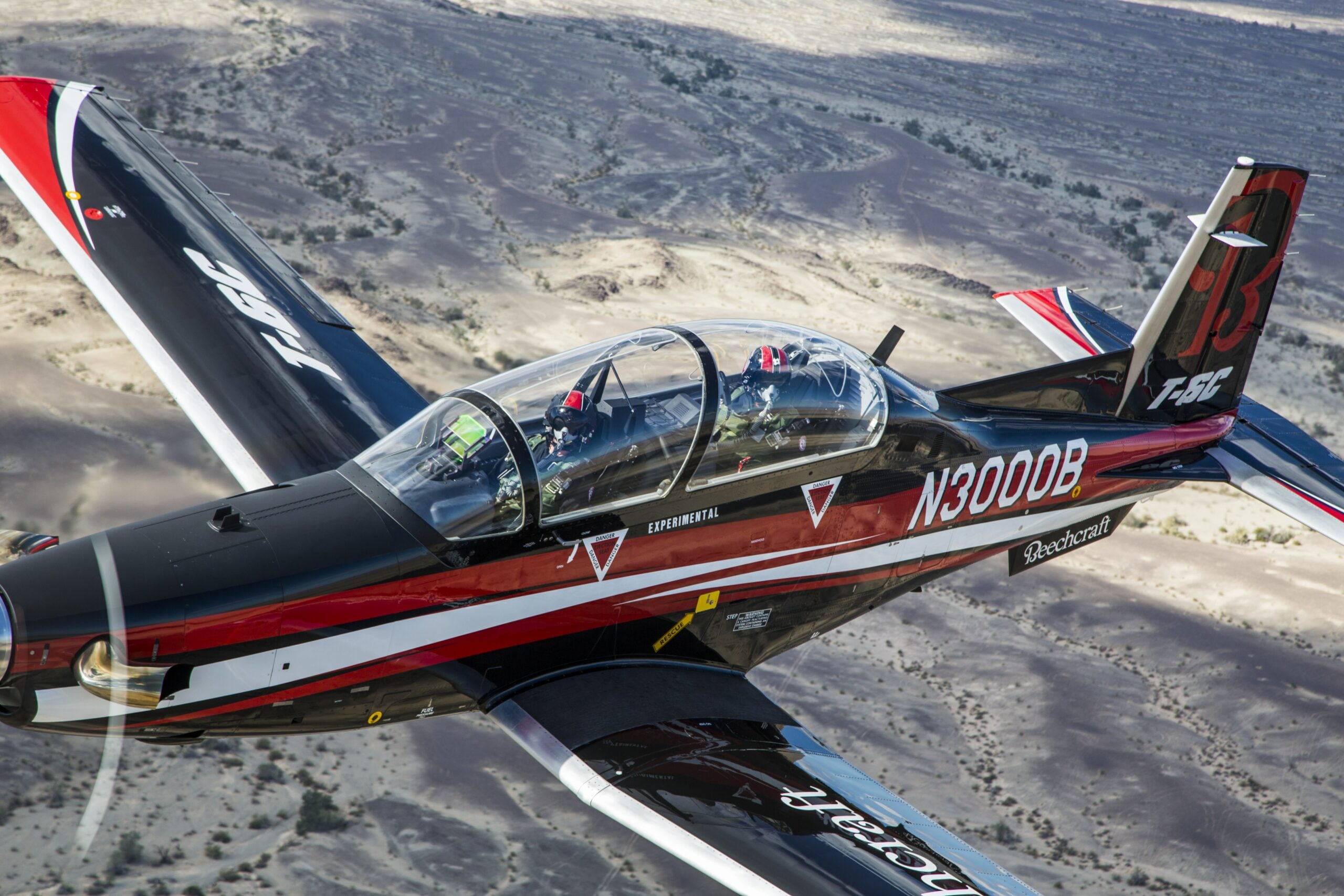
Textron Aviation Defense has finalized a significant contract to deliver the first Beechcraft T-6JP Texan II training aircraft to the Japan Air Self-Defense Force (JASDF). This procurement comes after the East Asian military’s decisive selection of the T-6JP system in January, intended to replace the aging Fuji/Subaru T-7 fleet, which has been operational since the early 2000s.
The agreement encompasses the delivery of two T-6JP aircraft, alongside essential pilot and sustainment training materials. In fulfilling this contract, Textron will collaborate with its Tokyo-based industry partner, Kanematsu Corporation, to ensure the seamless handover of the training jets to the JASDF. The anticipated delivery date for both aircraft is slated for 2029.
This collaboration with Japan also includes an option for additional orders, signaling the potential for a deeper partnership in military aviation. Travis Tyler, president and CEO of Textron Aviation Defense, commented on the significance of this contract, stating it represents a crucial advancement in enhancing Japan’s next-generation pilot training capabilities. He expressed pride in supporting the JASDF with a proven and interoperable training system that has garnered trust from air forces worldwide and has been tailored to meet Japan’s specific mission requirements for years to come.
The Texan II is designed as a two-seat platform aimed at preparing future pilots and ground crews for the complexities involved in operating and maintaining advanced fighter jets. Depending on specific training needs, the aircraft can be outfitted with a variety of advanced precision devices, an onboard virtual training data link, a digital terrain elevation system, and NATO-standard weapon systems.
Measuring 33 feet (10 meters) in length, the Texan II is powered by a Pratt & Whitney Canada PT6A turboprop engine, generating around 1,100 horsepower, complemented by a four-bladed Hartzell propeller. The aircraft can reach speeds of 280 knots (322 miles or 519 kilometers per hour), operate at altitudes of up to 31,000 feet (9,144 meters), and cover ranges of 900 nautical miles (1,036 miles or 1,667 kilometers).
With over 1,000 units currently in operation globally, the Texan II has amassed more than 5 million flight hours to date. In addition to Japan, this versatile aircraft supports airborne competency programs in 15 other countries and is utilized in two NATO flight schools, underscoring its prominence and reliability in modern military training operations.


