




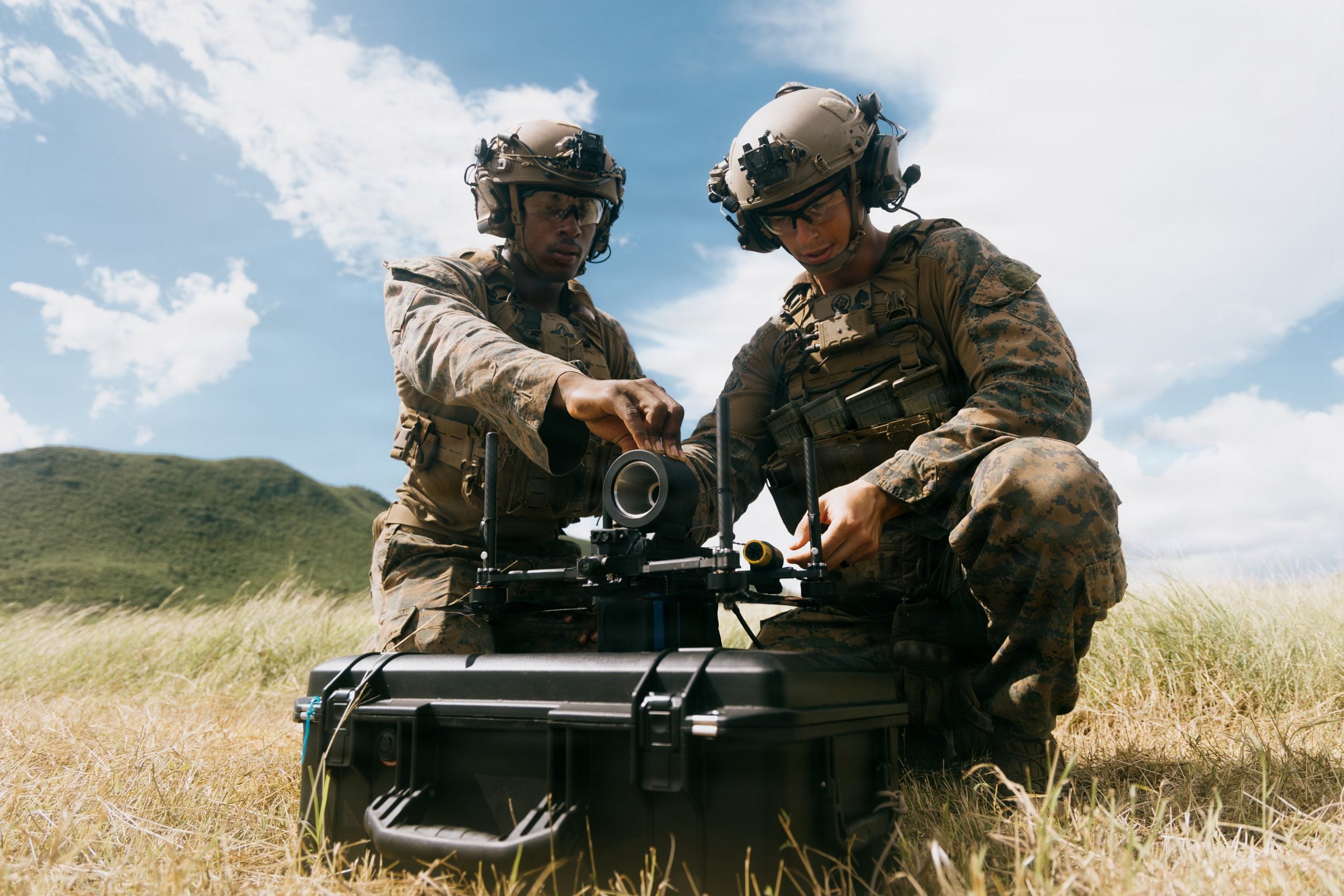
The U.S. Marine Corps has initiated a comprehensive training framework aimed at significantly increasing the number of personnel qualified to operate small unmanned aerial systems. This initiative is set against the backdrop of the Pentagon’s ambitious plan to roll out tens of thousands of attack drones, starting in March 2026, with expectations of further expansions in subsequent years.
The new framework lays out standardized training and certification processes as the military incorporates new technology, including commercially available first-person-view (FPV) attack drones like the Neros Archer. This strategic move underscores the importance of modernizing military capabilities and enhancing operational readiness.
The framework established by the Marine Corps’ Training and Education Command encompasses six pilot courses and eight certifications, which cover a variety of roles. These include basic drone operators, attack drone operators, payload specialists, and instructors. The courses are designed to be accessible to personnel from various occupational specialties, providing a foundational skill set for both armed and unarmed systems.
To facilitate this training, seven organizations have been designated as regional training hubs. These comprise military divisions, educational institutions, and the Marine Forces Special Operations Command. Notably, the Weapons Training Battalion located at Marine Corps Base Quantico in Virginia will function as the interim central hub, responsible for overseeing standardization, certification processes, and safety measures associated with drone operations.
The urgency of this training initiative is highlighted by recent developments, including successful certifications achieved during exercises with the 22nd Marine Expeditionary Unit and competitions held in the National Capital Region and Okinawa, Japan. In those events, personnel received various certifications, including two payload instructors, seven payload specialists, five attack drone instructors, and 19 pilots.
Looking ahead, the Marine Corps anticipates that hundreds of additional troops will participate in this competency program over the forthcoming months. All infantry, reconnaissance, and littoral combat units are expected to be equipped with FPV attack drone capabilities by May 2026, marking a significant advancement in the U.S. military’s strategic aerial capabilities.


