




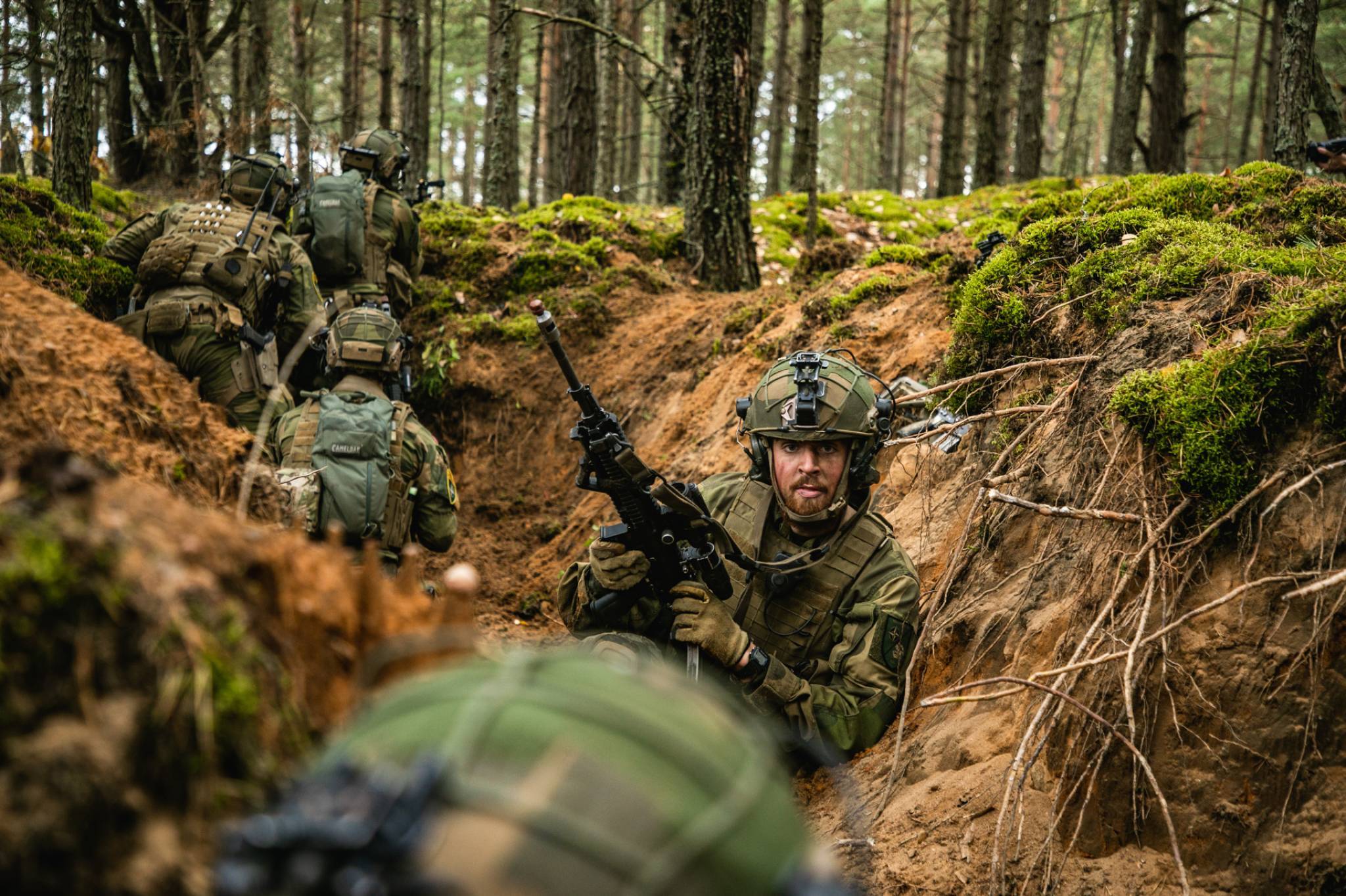
Norway and Germany have taken a significant step in strengthening their military collaboration through the signing of a new bilateral defense framework, termed the Hansa Arrangement. This agreement, formalized during the Munich Security Conference, aims to address rising security concerns in Europe by fostering closer military and industrial ties.
The Hansa Arrangement encompasses cooperation across a variety of operational domains, focusing on key areas such as maritime security, joint military operations, and land warfare. In addition, the framework incorporates advancements in space-based surveillance, targeting, and communications capabilities, reflecting the modern challenges faced by NATO allies.
Norway’s Defence Minister, Tore O. Sandvik, emphasized the importance of robust European collaboration, stating, “Strong European cooperation is essential to fulfilling NATO’s burden-sharing commitments, where Europe must assume a greater share of responsibility for its own security.”
In terms of maritime cooperation, Norway and Germany have established a close partnership centered around a joint submarine program. This initiative includes collaborative personnel training and the establishment of new maintenance facilities at Haakonsvern in Bergen, Norway, aimed at bolstering their respective submarine fleets. Furthermore, the two nations are engaged in the joint development of a next-generation long-range maritime missile while also increasing their naval presence in the North Atlantic, thereby enhancing allied security.
German forces have regularly conducted training exercises in Norway, with the upcoming Cold Response 26 drills set to feature deployments across land, sea, and air domains. This ongoing military collaboration underscores the commitment of both countries to collective defense initiatives.
On the economic front, the defense-industrial relationship between Norway and Germany is expanding significantly. Last year, Norway was Germany’s second-largest defense customer, with purchases totaling approximately 1.4 billion euros (around $1.6 billion). A notable aspect of this partnership is the involvement of Norwegian firm RITEK, which will be responsible for assembling 37 of the 54 Leopard 2 tanks ordered from German manufacturer Krauss-Maffei Wegmann.
In a further display of interoperability, both militaries operate together within the framework of the German-led multinational brigade in Lithuania, which is part of NATO’s enhanced forward presence.
Additionally, the partnership is venturing into the space sector, with officials highlighting the potential of Andøya Spaceport in Norway. This facility is central to Norway’s space strategy and may support future German launch activities, reflecting a broader commitment to technological cooperation and innovation in defense.
As Europe navigates an increasingly complex security environment, the Hansa Arrangement signifies a crucial development in reinforcing the military capabilities and readiness of both Norway and Germany. The partnership not only aims to enhance their defense postures but also reflects a strategic shift towards greater collective responsibility within NATO.


