




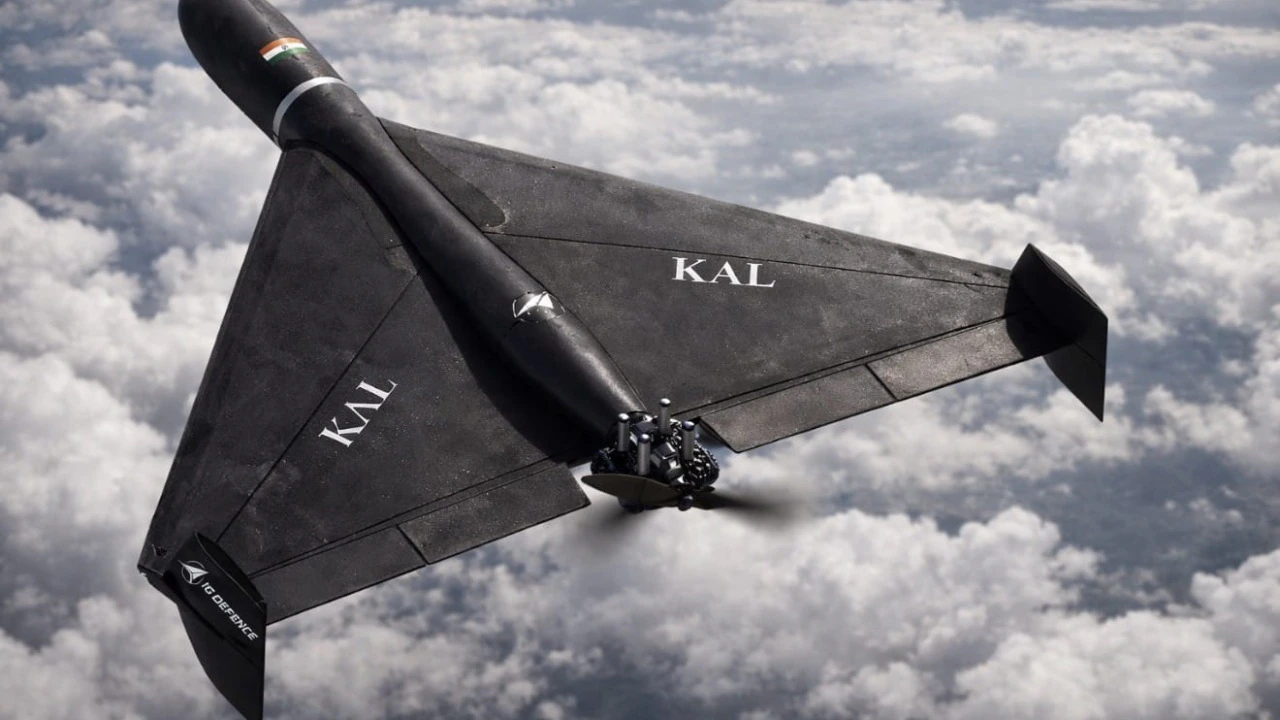
The ongoing conflict between Iran and Israel has spotlighted the significant role played by unmanned aerial vehicles (UAVs), particularly the Shahed-series drones. This situation has spurred Indian defence planners to intensify efforts in developing indigenous long-range strike drones, underscoring a shift towards low-cost unmanned systems that are becoming vital in contemporary warfare.
Defence sources have indicated that India is ramping up the testing and development of homegrown drone programs, notably the Sheshnaag system and Project KAL, aimed at bolstering the nation’s unmanned combat capabilities. The Shahed drones deployed by Iran, known for their low-cost, long-range capabilities, have managed to penetrate deep into enemy territory, effectively showcasing how affordable drone technology can disrupt traditional air defense mechanisms.
This revelation has galvanized the Indian military establishment, prompting an urgent call for comparable domestic drone capabilities. In this context, the Sheshnaag-150, developed by Bengaluru-based Newspace Research Technologies (NRT), has entered advanced stages of testing. The drone has recently conducted highway launch trials, exploring unconventional operational deployment scenarios that could enhance its tactical versatility.
The Sheshnaag-150 is particularly designed as a swarming attack platform and boasts several noteworthy specifications, including:
– An operational range exceeding 1,000 km
– An endurance surpassing five hours
– The capability to loiter over target areas for surveillance and strike missions
– A payload capacity of 25–40 kg for carrying warheads
Additionally, the Sheshnaag system is equipped with advanced features for autonomous target identification, tracking, and engagement, significantly reducing the need for continuous human oversight during operations.
Parallel to the Sheshnaag initiative, Project KAL is also being fast-tracked within Indian defence circles. This program aims to develop a type of long-range strike drone that mirrors the capabilities of the Shahed drones. Defence planners believe that these technologies will be instrumental for deep-strike missions, surveillance, and swarm-based combat strategies in future warfare scenarios.
The accelerated focus on indigenous drone development marks a significant pivot in India’s approach to defence technology, emphasizing self-reliance and responsiveness to the evolving landscape of warfare. With the increasing reliance on loitering munitions and AI-driven autonomous systems, long-range strike drones are now considered imperative tools for modern military operations, paving the way for their integration into India’s strategic framework.


