




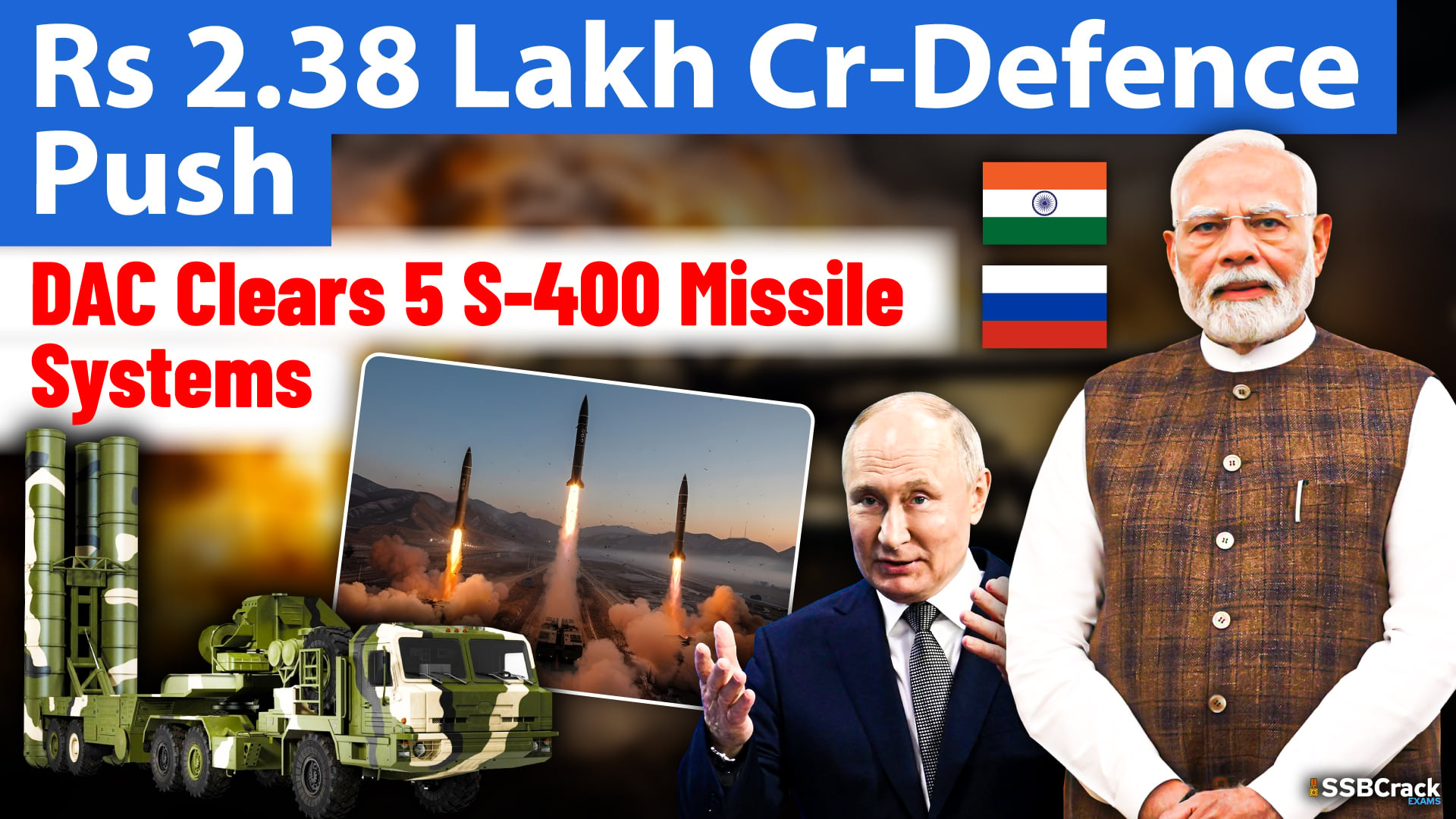
India has taken a major step toward strengthening its military capabilities with the approval of defence procurement proposals worth approximately ₹2.38 lakh crore. The decision was taken by the Defence Acquisition Council (DAC), chaired by Defence Minister Rajnath Singh, marking one of the largest defence modernisation pushes in recent years.
India’s ₹2.38 Lakh Crore Defence Boost: DAC Clears S-400 Systems
The DAC has granted Acceptance of Necessity (AoN) for a wide range of defence acquisitions aimed at enhancing the operational readiness of all three armed forces — the Army, Air Force, and Coast Guard.
1. Additional S-400 Missile Systems
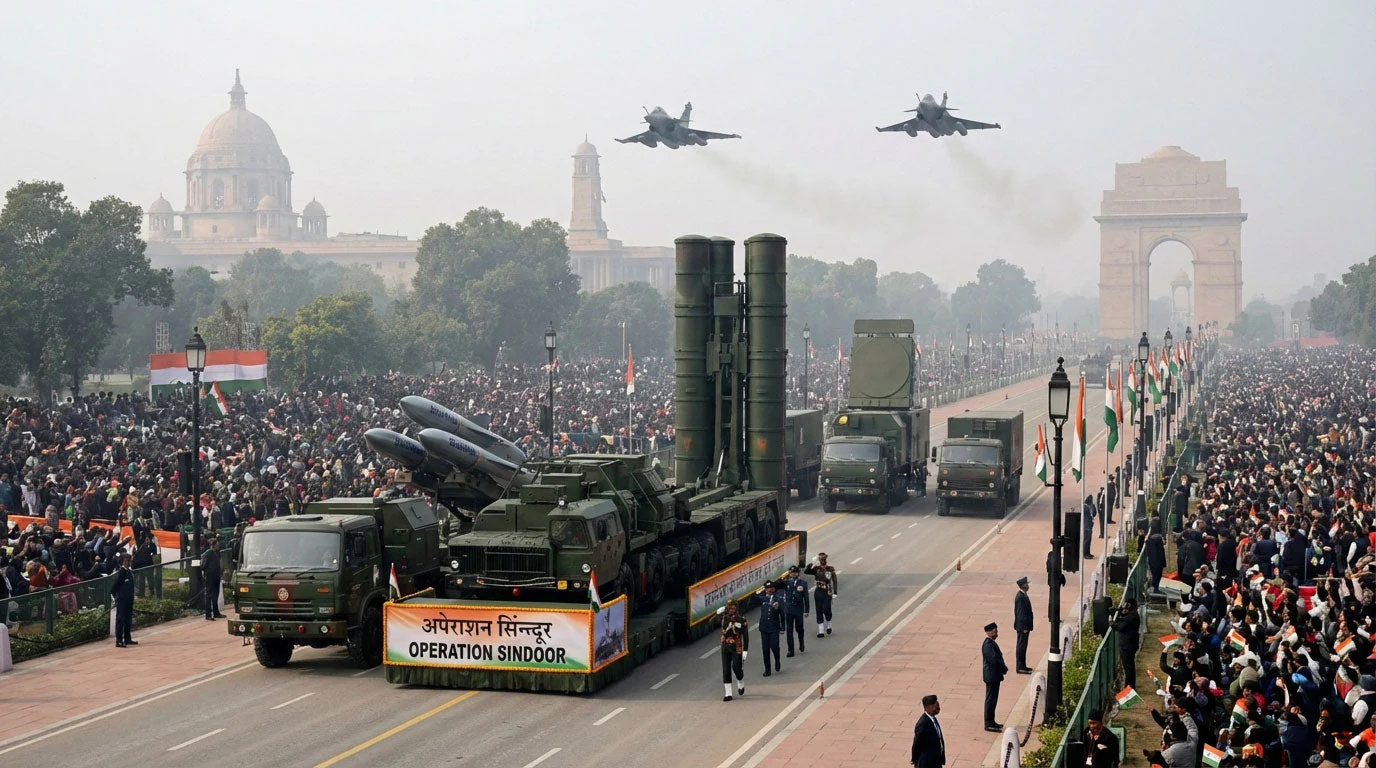
A key highlight of the approval is the procurement of five additional units of the S-400 missile system from Russia.
- These long-range surface-to-air missile systems are designed to intercept advanced aerial threats, including enemy aircraft, drones, and ballistic missiles.
- The systems will strengthen India’s air defence shield, especially for protecting critical and strategic locations.
This move builds on the earlier 2018 deal with Russia, under which India had already begun deploying S-400 squadrons along sensitive borders.
2. Boost to Indian Air Force (IAF)
The Indian Air Force will receive several major upgrades:
- Medium Transport Aircraft (MTA):
These aircraft will replace ageing fleets such as AN-32 and IL-76, improving India’s strategic and tactical airlift capability. - Remotely Piloted Strike Aircraft (RPSA):
Indigenous unmanned combat systems are planned to enhance surveillance, intelligence gathering, and precision strike capabilities. - Su-30 Engine Overhaul:
Upgrading aero engines of Su-30 fighter jets will extend their service life and ensure higher operational efficiency.
3. Strengthening the Indian Army
The Army will benefit from several advanced systems:
- Dhanush Artillery Guns:
These indigenous guns improve long-range firepower with greater accuracy and effectiveness in diverse terrains. - Armour-Piercing Ammunition:
Enhances anti-tank capabilities on the battlefield. - Air Defence Tracked System:
Provides real-time air defence coordination and monitoring. - High-Capacity Radio Relay Systems:
Ensures secure and reliable communication during operations.
4. Focus on Indigenous and Future Warfare
A significant aspect of this defence push is the emphasis on indigenous development and modern warfare technologies, including:
- Unmanned combat systems
- Advanced surveillance platforms
- Network-centric warfare capabilities
These initiatives align with India’s long-term goal of reducing dependence on imports while building domestic defence manufacturing.
Strategic Importance
This massive defence approval comes at a time of evolving regional security challenges, including tensions with neighboring countries and the increasing use of drones and advanced missile systems in warfare.
Key objectives include:
- Strengthening air defence against long-range threats
- Modernising ageing military equipment
- Enhancing rapid deployment and mobility
- Improving surveillance and precision strike capabilities
According to the Ministry of Defence, these procurements will significantly enhance India’s preparedness for both conventional and modern hybrid warfare.
Conclusion
The ₹2.38 lakh crore defence package represents a decisive move toward building a stronger, more technologically advanced military. By combining advanced foreign systems like the S-400 with indigenous innovations, India is positioning itself to tackle future security challenges effectively while boosting self-reliance in defence production.


