




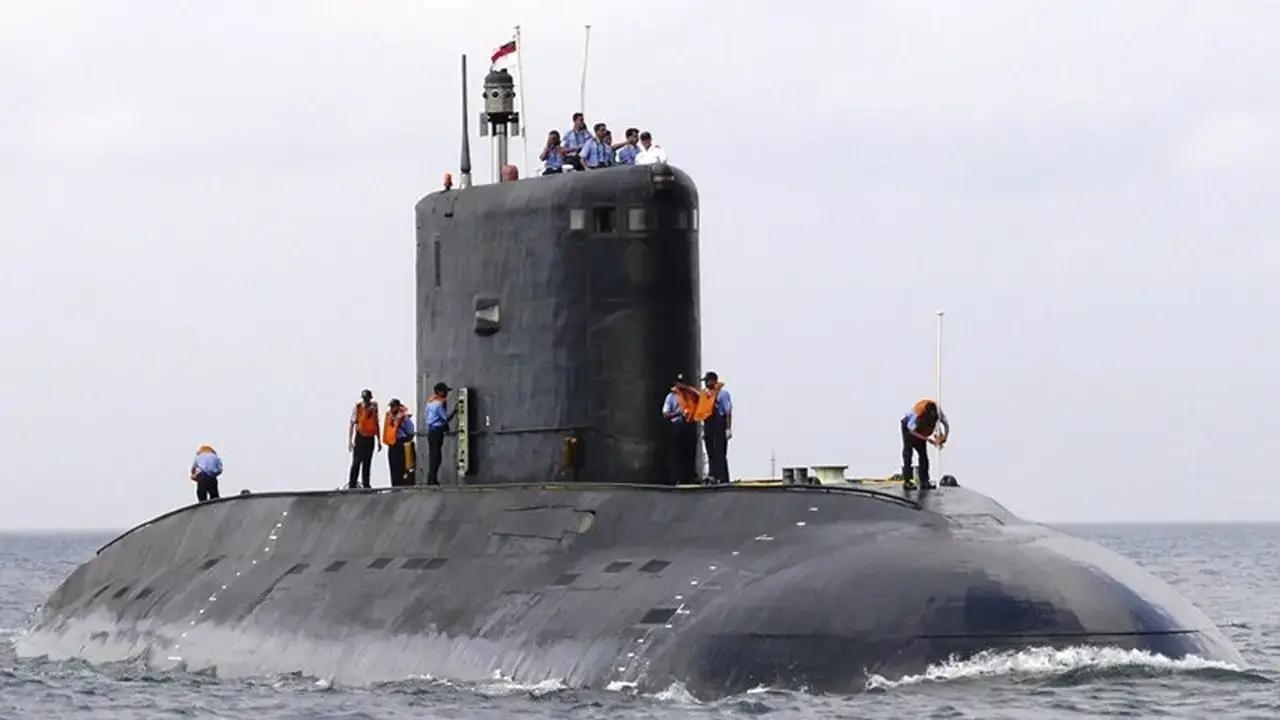
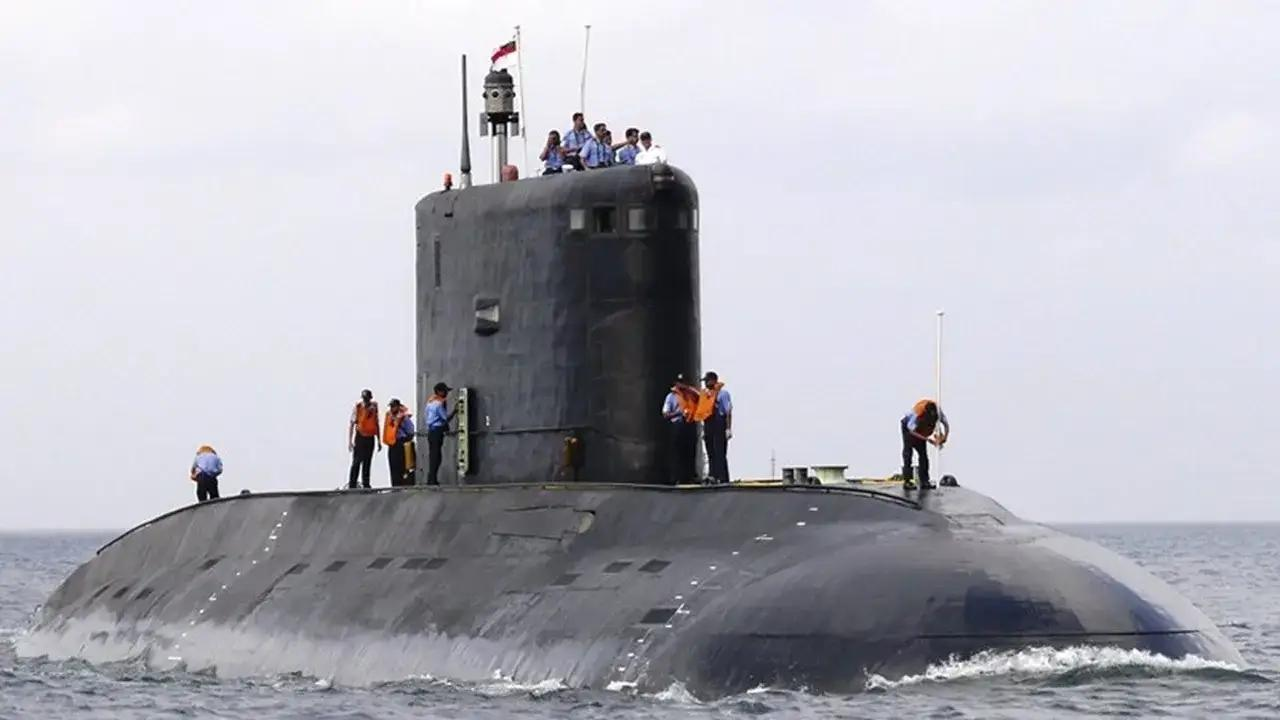
India has achieved a major milestone in defence capability with the commissioning of INS Aridhaman, its third indigenously built nuclear-powered ballistic missile submarine (SSBN). This advanced submarine marks a significant leap in India’s quest for strategic autonomy, maritime dominance, and credible nuclear deterrence.
India’s 3rd Desi Nuclear-Powered Submarine – INS Aridhaman
Introduction
INS Aridhaman is part of the Arihant-class submarines developed under India’s secretive Advanced Technology Vessel (ATV) programme. It follows earlier submarines INS Arihant and INS Arighaat, strengthening India’s underwater nuclear fleet.
Recently commissioned in 2026, it represents a new generation of submarines that are bigger, quieter, and more lethal.
Key Features of INS Aridhaman
1. Nuclear Power & Endurance
- Powered by an 83 MW nuclear reactor
- Can remain submerged for long durations (limited mainly by food supply)
- Offers stealth and continuous patrol capability
2. Size & Design
- Displacement: ~7,000 tonnes (larger than earlier submarines)
- Length: ~130 meters
- Improved stealth technology reduces detectability
3. Advanced Weapon Systems
- Can carry:
- K-15 SLBMs (range ~750 km)
- K-4 SLBMs (range ~3,500 km)
- Capable of launching multiple nuclear missiles from underwater
4. Stealth & Combat Systems
- Equipped with advanced sonar systems like USHUS
- Designed for silent operations, earning the tag “silent killer”
- High survivability in hostile environments
Role in India’s Nuclear Triad
India follows a nuclear triad strategy, which includes:
- Land-based missiles
- Air-delivered weapons
- Sea-based nuclear systems (submarines)
INS Aridhaman strengthens the sea-based leg, which is the most survivable component. It ensures a credible second-strike capability—the ability to retaliate even after a nuclear attack.
Strategic Importance
1. Strengthening Deterrence
The submarine enhances India’s ability to deter adversaries like China and Pakistan by ensuring continuous at-sea deterrence.
2. Indo-Pacific Presence
It boosts India’s strategic footprint in the Indo-Pacific region, a key geopolitical hotspot.
3. Aatmanirbhar Bharat
- Built largely with indigenous technology
- Demonstrates India’s growing capability in advanced defence manufacturing
- Reduces dependence on foreign systems
Comparison with Earlier Submarines
| Feature | INS Arihant | INS Arighaat | INS Aridhaman |
|---|---|---|---|
| Generation | First | Second | Third (Advanced) |
| Size | ~6,000 tonnes | ~6,000 tonnes | ~7,000 tonnes |
| Missile Capability | K-15 | K-15/K-4 | K-15 + K-4 (enhanced) |
| Stealth | Good | Better | Best |
| Role | Training + Deterrence | Operational | Advanced Deterrence |
Why INS Aridhaman Matters
- Completes a stronger three-submarine SSBN fleet
- Moves India closer to continuous nuclear patrol capability
- Enhances survivability and strike range
- Symbolizes India’s rise as a major naval power


