




In Defence Current Affairs for 14 April 2026, we will see the latest national and international current affairs news. These important current affairs will be beneficial for your upcoming NDA, CDS, CDS OTA, AFCAT, TA, Agniveer Army, Agniveer Navy, Agniveer Air Force, Women Military Police, INET, MNS, ACC exams, SCO, PCSL, CAPF, and SSB interviews, and direct entries for Army, Navy, and Air Force like SSC Tech, TGC, JAG, NCC, TES, 10+2 Cadet. Download a PDF file about current events at the end of this article. Let us now see the Current Affairs.
Defence Current Affairs 14 April 2026
Rising Tensions in the Middle East & Global Impact

The ongoing conflict involving the United States, Iran, and Israel has significantly impacted global security and energy supply routes. The Strait of Hormuz, a critical oil transit chokepoint, has become a focal point of geopolitical tension.
- India has launched Operation Urja Suraksha to safeguard its energy supplies by escorting oil tankers through the region.
- Indian naval forces are actively ensuring safe passage of merchant vessels amid threats like sea mines and regional instability.
- The conflict has disrupted negotiations and heightened uncertainty in global oil markets and maritime security.
This situation underscores India’s strategic balancing act between energy security and geopolitical diplomacy.
DRDO Showcases Indigenous Defence Power

India’s push for Aatmanirbhar Bharat (self-reliance) in defence is gaining momentum. The Defence Research and Development Organisation (DRDO) is set to showcase advanced systems at a mega exhibition in Bihar (April 15–18, 2026).
Key highlights include:
- Pralay tactical ballistic missile with high precision and manoeuvrability
- BrahMos supersonic cruise missile
- Akash and Akash-NG air defence systems
- Advanced artillery, radar systems, tanks, and anti-satellite capabilities
The exhibition aims to inspire youth and demonstrate India’s technological capabilities in modern warfare.
India Expands Global Defence Partnerships
India–Uzbekistan Joint Military Exercise

India continues to strengthen military diplomacy through joint exercises.
- The 7th edition of Exercise Dustlik is being held from April 12–25, 2026 in Uzbekistan.
- Focus areas include counter-terror operations, special forces coordination, and tactical drills.
- The exercise enhances interoperability and strengthens bilateral defence ties.
An Indian Army contingent comprising 60 personnel departed today for the 7th edition of the India-Uzbekistan joint military exercise, Exercise DUSTLIK. The exercise, which commenced today in Uzbekistan, will continue until the 25th of this month.
The Defence Ministry noted the exercise is conducted on a yearly basis alternatively in India and Uzbekistan, with an aim to foster military cooperation and enhance combined capabilities to execute joint operations in semi-mountainous terrain.
It will enable the two sides to share their best practices in Tactics, Techniques and Procedures of conducting joint operations and will further strengthen interoperability, operational synergy and joint command and control coordination between the contingents.
The event will also provide an opportunity to enhance the level of defence cooperation, further fostering bilateral relations between the two friendly nations. The Indian Armed Forces contingent is being represented by 45 personnel from the Indian Army, majorly from a Battalion of the MAHAR Regiment and 15 personnel from the Indian Air Force. The Uzbekistan contingent also comprises a total of 60 personnel from the Uzbekistan Army and Air Force.
India–US Jet Engine Pact
India and the United States have signed a landmark jet engine agreement, marking a major breakthrough in defence technology cooperation.
- The deal focuses on co-development and technology transfer of advanced jet engines.
- It will boost India’s indigenous fighter jet programmes and reduce dependency on imports.
- The agreement reflects deepening strategic ties between the two nations.
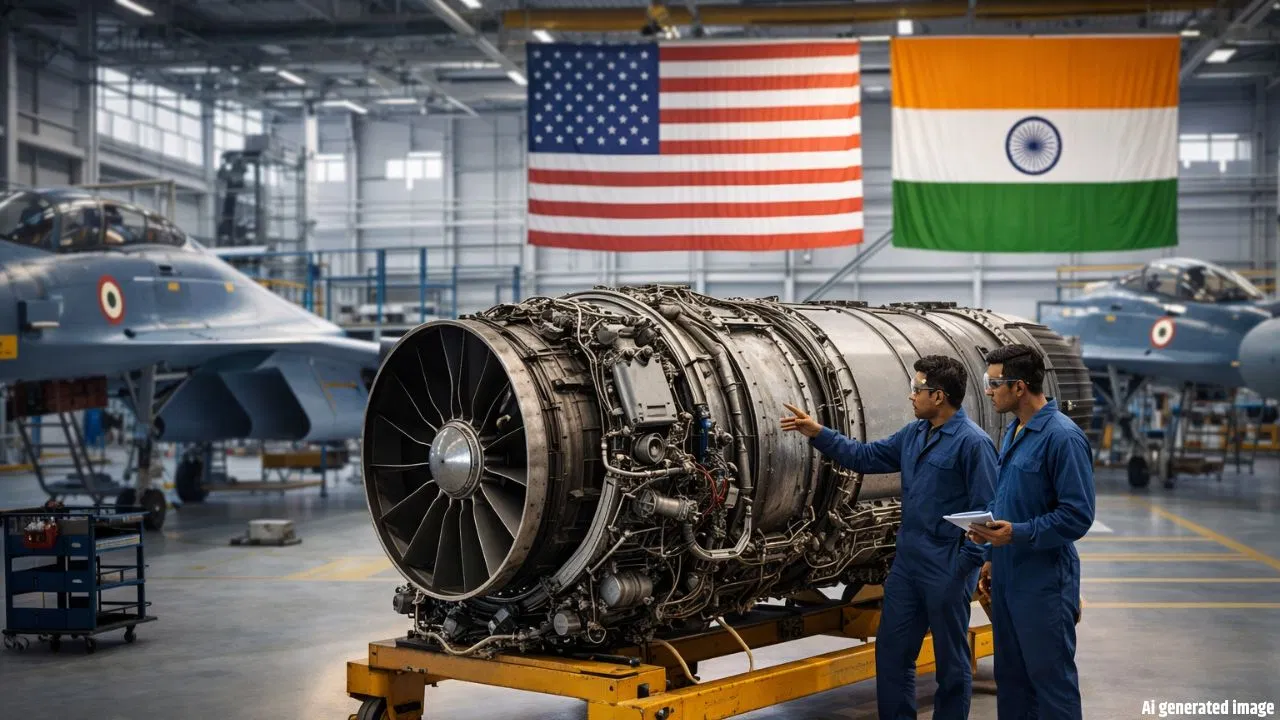
India and the United States have reached a historic agreement on jet engine technology transfer, marking the first time Washington has agreed to share such advanced military technology with New Delhi. This deal represents a major leap in India’s defence capabilities and strategic autonomy.
According to reports, the agreement focuses on the co-production of advanced F-414 jet engines in India, developed by the American aerospace giant General Electric (GE) in collaboration with India’s Hindustan Aeronautics Limited (HAL).
Key Features of the Deal
The agreement includes several unprecedented elements:
- Around 80% technology transfer to India, including critical manufacturing know-how and intellectual property rights
- Establishment of a joint production line in India
- Collaboration between GE and HAL on technical aspects of engine manufacturing
- Final commercial contract expected to be signed in the near future
This level of technology sharing is rare, as the US typically restricts access to sensitive defence technologies.
Powering India’s Next-Gen Fighter Jets
The F-414 engines will play a crucial role in India’s future air power:
- They will power the Tejas Mk-2 fighter aircraft, a more advanced version of the indigenous Tejas jet
- The engine offers higher thrust and improved performance compared to earlier variants
- It may also support future platforms like India’s Advanced Medium Combat Aircraft (AMCA)
This will significantly enhance the combat capability of the Indian Air Force (IAF).
Boost to Aatmanirbhar Bharat
The deal is a major step toward self-reliance in defence manufacturing:
- India will gain access to critical jet engine technologies, an area where it has traditionally faced challenges
- Indigenous production will reduce dependence on foreign suppliers
- It strengthens the Make in India and Aatmanirbhar Bharat initiatives
Experts believe India could join a select group of nations capable of producing advanced jet engines.
Strengthening India–US Strategic Partnership
The agreement reflects deepening ties between India and the United States:
- Builds on earlier agreements like the Industrial Security Agreement (ISA)
- Enhances cooperation in high-end defence technology and co-production
- Aligns with shared strategic interests in the Indo-Pacific region
It signals a shift from a buyer–seller relationship to a technology partnership.
Strategic Significance
This deal is considered a game-changer because:
- Jet engine technology is among the most complex in defence manufacturing
- It accelerates India’s indigenous aerospace capabilities
- Helps address the declining fighter squadron strength of the IAF
- Reduces reliance on traditional suppliers like Russia
Major Export Achievement for BEML
India’s defence manufacturing sector is also expanding globally:
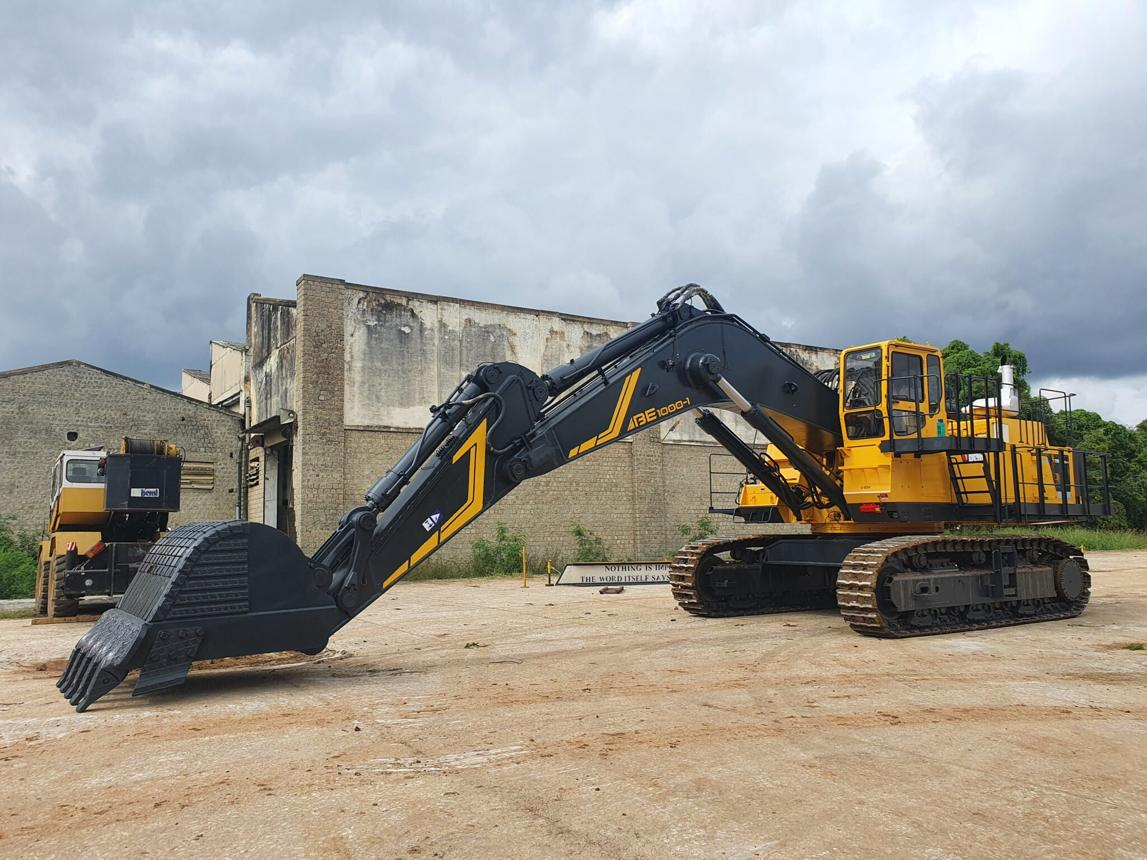
- BEML (Bharat Earth Movers Limited) has secured a $36.38 million export order from the Middle East.
- This highlights growing international trust in Indian defence and engineering capabilities.
- Defence exports are becoming a key pillar of India’s economic and strategic growth.
Focus on Heavy Earthmoving Equipment
The order primarily involves the supply of heavy earthmoving machinery, which will be deployed in large-scale infrastructure projects across the Middle East.
- These machines are traditionally used in mining operations
- They have now been re-engineered for infrastructure development
- Designed to operate in high-intensity and demanding environments
The equipment includes performance and durability enhancements to meet global standards and harsh operational conditions.
Comprehensive Lifecycle Support
A key aspect of the contract is not just equipment supply but also end-to-end lifecycle support:
- Maintenance and servicing
- Spare parts supply
- Operational readiness support
- Long-term lifecycle management
This ensures that the machinery remains efficient and functional throughout its deployment period, enhancing customer trust and reliability.
Boost to Global Presence
This deal is part of BEML’s broader strategy to expand internationally:
- Total international order book has risen to around $106.95 million
- Strengthens India’s position in global infrastructure equipment markets
- Reduces dependence on domestic demand cycles
The Middle East, with its large-scale infrastructure and urban development projects, is emerging as a key market for Indian engineering exports.
Strategic Significance for India
The export order reflects several broader trends:
- Growing global competitiveness of Indian PSUs
- Success of Make in India and Aatmanirbhar Bharat initiatives
- Increasing demand for cost-effective and durable Indian equipment
It also highlights India’s transition from being an importer to becoming a key exporter of defence and industrial equipment.
Review Questions
1. BEML recently secured an export order worth how much from the Middle East?
A. $26.38 million
B. $36.38 million
C. $46.38 million
D. $56.38 million
Answer: B. $36.38 million
Explanation: BEML received a major export order worth $36.38 million, boosting India’s engineering exports.
2. The equipment supplied by BEML in the Middle East deal is primarily used for:
A. Space exploration
B. Agriculture
C. Heavy earthmoving and infrastructure
D. Naval warfare
Answer: C. Heavy earthmoving and infrastructure
Explanation: The order includes heavy earthmoving machinery for mining and infrastructure projects.
3. Which organisation is responsible for showcasing Pralay and BrahMos missiles in Bihar?
A. ISRO
B. DRDO
C. HAL
D. BEL
Answer: B. DRDO
Explanation: The Defence Research and Development Organisation (DRDO) is showcasing advanced defence systems.
4. Pralay missile is best described as:
A. Intercontinental ballistic missile
B. Tactical ballistic missile
C. Cruise missile
D. Anti-satellite weapon
Answer: B. Tactical ballistic missile
Explanation: Pralay is a short-range tactical ballistic missile with high precision.
5. BrahMos missile is a:
A. Hypersonic missile
B. Subsonic cruise missile
C. Supersonic cruise missile
D. Ballistic missile
Answer: C. Supersonic cruise missile
Explanation: BrahMos is a supersonic cruise missile, jointly developed by India and Russia.
6. The India–Uzbekistan joint military exercise held in April 2026 is named:
A. Yudh Abhyas
B. Malabar
C. Dustlik
D. Garuda
Answer: C. Dustlik
Explanation: Exercise Dustlik strengthens military cooperation between India and Uzbekistan.
7. The primary focus of Exercise Dustlik is:
A. Naval warfare
B. Air combat
C. Counter-terrorism operations
D. Space defence
Answer: C. Counter-terrorism operations
Explanation: The exercise emphasizes counter-terror drills and joint operations.
8. The Strait of Hormuz is strategically important because:
A. It connects two continents
B. It is a major oil transit route
C. It is a military base
D. It is a trade agreement zone
Answer: B. It is a major oil transit route
Explanation: A large portion of global oil passes through the Strait of Hormuz, making it geopolitically crucial.
9. India launched which operation to ensure safe passage of oil shipments in the Middle East crisis?
A. Operation Vijay
B. Operation Sankalp
C. Operation Urja Suraksha
D. Operation Raksha
Answer: C. Operation Urja Suraksha
Explanation: India initiated Operation Urja Suraksha to protect its energy supply routes.
10. The India–US jet engine deal mainly focuses on:
A. Import of fighter jets
B. Nuclear weapons development
C. Technology transfer and co-development
D. Space exploration
Answer: C. Technology transfer and co-development
Explanation: The agreement enables joint development and technology sharing of jet engines.
11. Consider the following statements about BEML Limited:
- It operates under the Ministry of Defence.
- It manufactures equipment for mining, railways, and defence sectors.
- It is a private sector enterprise.
Which of the statements are correct?
A. 1 and 2 only
B. 2 and 3 only
C. 1 only
D. 1, 2 and 3
Answer: A. 1 and 2 only
Explanation: BEML is a public sector undertaking (PSU) under the Ministry of Defence and operates in multiple sectors.
12. Which of the following best explains the strategic importance of the Strait of Hormuz?
A. It connects the Pacific and Atlantic Oceans
B. It is a major global oil supply route
C. It hosts the UN headquarters
D. It is a nuclear test site
Answer: B. It is a major global oil supply route
Explanation: Around 20% of global oil trade passes through this chokepoint.
13. The Exercise Dustlik is conducted between India and:
A. Kazakhstan
B. Uzbekistan
C. Kyrgyzstan
D. Tajikistan
Answer: B. Uzbekistan
Explanation: Dustlik strengthens India–Uzbekistan defence cooperation.
14. Which of the following is NOT correctly matched?
A. Pralay – Tactical ballistic missile
B. BrahMos – Supersonic cruise missile
C. Akash – Surface-to-air missile
D. Nag – Intercontinental ballistic missile
Answer: D. Nag – Intercontinental ballistic missile
Explanation: Nag is an anti-tank guided missile, not ICBM.
15. The term “Aatmanirbhar Bharat” in defence refers to:
A. Import of advanced weapons
B. Indigenous defence production
C. Foreign military alliances
D. Nuclear disarmament
Answer: B. Indigenous defence production
Explanation: It focuses on self-reliance in defence manufacturing.
16. Which organisation developed the Pralay missile?
A. HAL
B. ISRO
C. DRDO
D. BEL
Answer: C. DRDO
Explanation: DRDO is responsible for India’s missile development programs.
17. The BrahMos missile is a joint venture between India and:
A. USA
B. Israel
C. France
D. Russia
Answer: D. Russia
Explanation: BrahMos is jointly developed by India and Russia.
18. The India–US jet engine agreement is significant because it:
A. Allows direct import of engines
B. Promotes technology transfer
C. Stops indigenous production
D. Focuses only on civil aviation
Answer: B. Promotes technology transfer
Explanation: It enhances indigenous fighter jet capability.
19. Which of the following regions is the primary destination of BEML’s recent export order?
A. Europe
B. Africa
C. Middle East
D. Southeast Asia
Answer: C. Middle East
Explanation: The order was secured from the Middle East region.
20. Exercise Dustlik primarily involves which type of forces?
A. Naval forces
B. Air forces
C. Special forces
D. Cyber units
Answer: C. Special forces
Explanation: It focuses on special forces training and counter-terrorism.
ALSO READ:
- Latest Daily Current Affairs and Defence Updates
- Latest Daily Current Affairs March 2026[DOWNLOAD PDF]
- Latest Daily Current Affairs February 2026[DOWNLOAD PDF]
- Latest Daily Current Affairs January 2026[DOWNLOAD PDF]
- Latest Daily Current Affairs November 2025[DOWNLOAD PDF]
- Latest Daily Current Affairs October 2025[DOWNLOAD PDF]
- Latest Daily Current Affairs August 2025[DOWNLOAD PDF]
- Latest Daily Current Affairs July 2025[DOWNLOAD PDF]
- Monthly Defence Current Affairs June 2025 [DOWNLOAD PDF]
- Monthly Defence Current Affairs May 2025 [DOWNLOAD PDF]
- Monthly Defence Current Affairs April 2025 [DOWNLOAD PDF]
- Monthly Defence Current Affairs March 2025 [DOWNLOAD PDF]
- Monthly Defence Current Affairs February 2025 [DOWNLOAD PDF]
- Monthly Defence Current Affairs January 2025 [DOWNLOAD PDF]
- Defence Current Affairs Year End Review 2024
- Monthly Defence Current Affairs November 2024 [DOWNLOAD PDF]
- Monthly Defence Current Affairs October 2024 [DOWNLOAD PDF]
- Monthly Defence Current Affairs September 2024 [DOWNLOAD PDF]
- Monthly Defence Current Affairs August 2024 [DOWNLOAD PDF]
- Monthly Defence Current Affairs July 2024 [DOWNLOAD PDF]


