




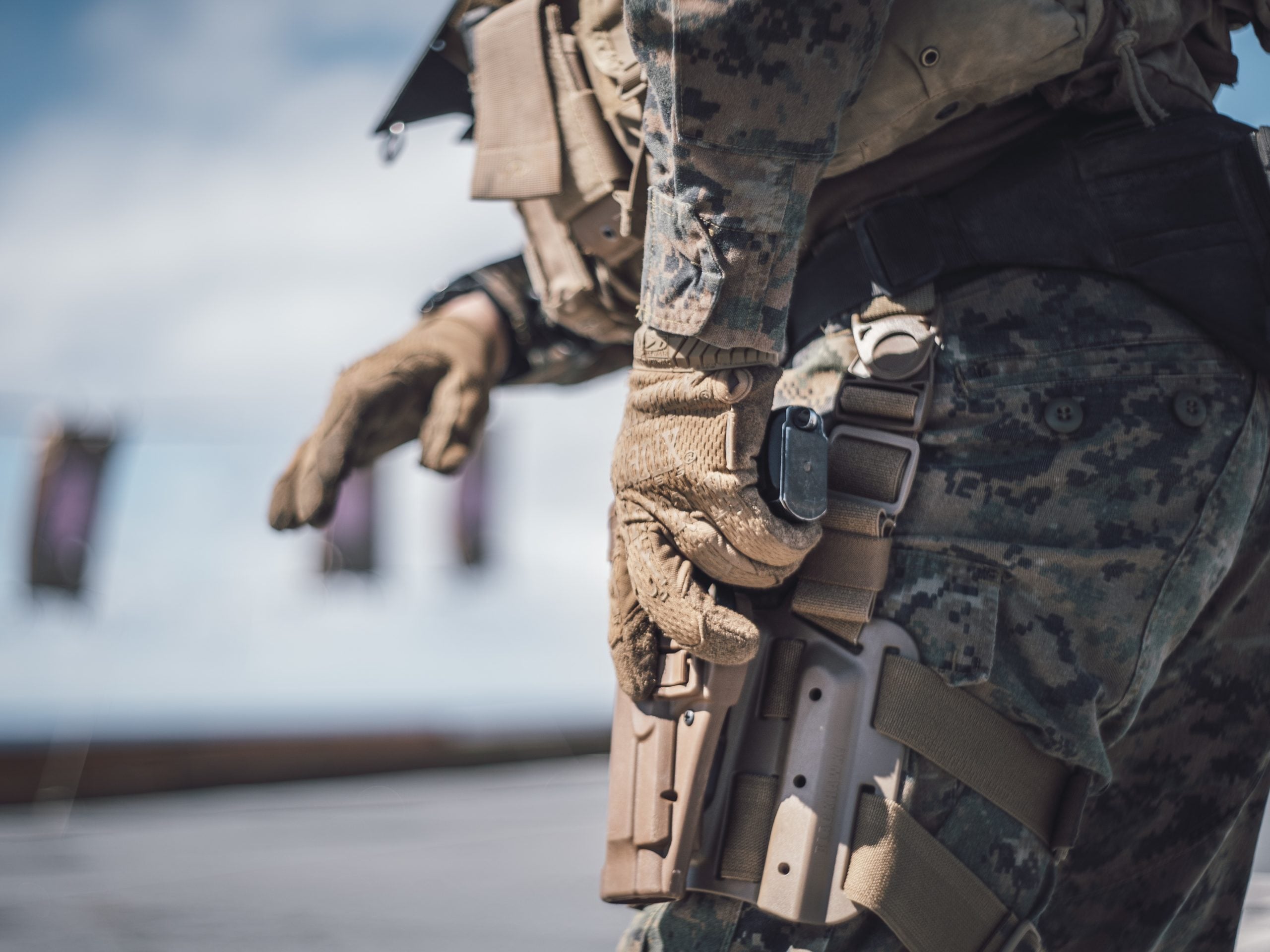
The US House of Representatives has introduced legislation aimed at granting nationwide concealed carry rights to active-duty and veteran special operations personnel. Sponsored by Representative Pat Harrigan from North Carolina’s 10th District, the Special Operations Forces Concealed Carry Act seeks to modify existing laws to recognize “qualified special operators” similarly to how retired police officers are permitted to carry concealed firearms across state lines.
The proposed legislation specifically targets service members holding ranks from E-5 to E-9, W-1 to W-5, and O-1 to O-10 who have served in elite military units, including the Army Special Forces, the 75th Ranger Regiment, Navy SEALs, Marine Corps reconnaissance and scout sniper teams, and Air Force special operations. Harrigan emphasized that while federal law currently permits retired police officers to carry concealed weapons nationwide, it is illogical that active or retired members of elite military units lack similar recognition under the law.
If passed, the bill would allow eligible service members permanent concealed carry authority without requiring annual firearms proficiency assessments, as long as they adhere to existing federal regulations. Moreover, the legislation mandates that the Pentagon and the Department of Veterans Affairs issue standardized photo identification for eligible personnel within 180 days. It also directs the Justice Department to provide guidelines for consistent recognition of these credentials by law enforcement agencies nationwide.
Supporters of the bill, including Texas-based humanitarian organization Atlas Rescue, argue that the legislation acknowledges the skills and dedication of special operations veterans and is beneficial for missions, such as combating human trafficking. Harrigan clarified that the measure would not create new rights or lessen existing safeguards but instead extend a recognized framework to those who have served in elite military roles.
The introduction of this legislation further highlights the ongoing conversation about the rights and recognition of military personnel in the United States, particularly concerning their training and capabilities in handling firearms.


