




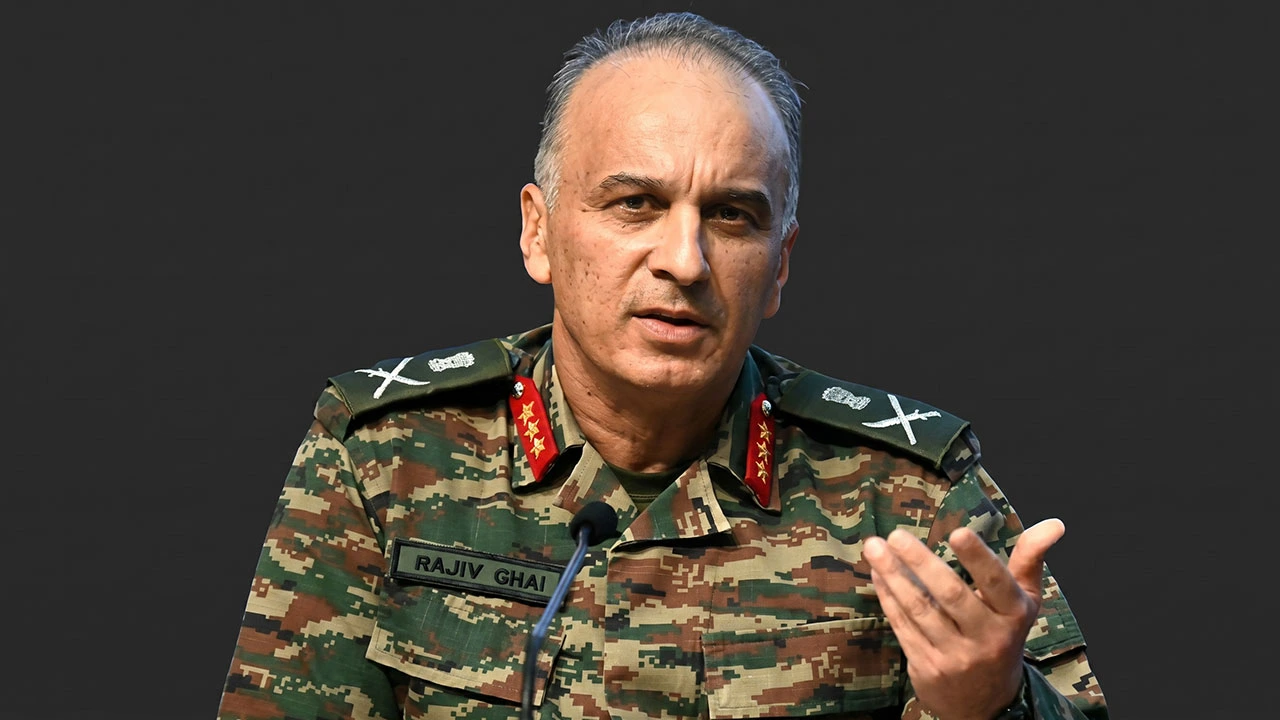
In the intricate hierarchies of military ranks, an interesting anomaly is observed: a lieutenant general, a three-star officer, outranks a major general, a two-star officer. This arrangement raises questions considering, in field-grade structures, a major outranks a lieutenant. The origin of this paradox can be traced back to historical nomenclature rather than contemporary military logic. The titles have their roots in the evolution of European military leadership stretching from the Middle Ages to the early modern period, significantly influenced by British military tradition that has had a lasting impact on armies worldwide, including those of the United States and the Commonwealth nations.
Modern Western and Commonwealth military organizations exhibit a clear hierarchy of general officer ranks: brigadier general (one-star, the most junior), major general (two-star), lieutenant general (three-star), and general (four-star). The role of a lieutenant general typically involves commanding a corps, a sizeable contingent of 60,000 to 70,000 troops divided into multiple divisions. In contrast, a major general typically leads a division, consisting of 6,000 to 25,000 troops. This structured approach ensures operational efficiency, with higher ranks assuming a broader oversight role in strategy. However, this clear hierarchy still carries linguistic remnants from centuries past.
The origins of these titles can be traced back to French and Latin influences. The term “lieutenant” stems from the Old French “lieu tenant,” which literally means “place holder,” referring to an individual acting in a superior’s absence. The rank of major derives from the Latin “maior,” meaning “greater” or “larger,” originally signifying seniority in staff roles, such as in “sergeant major.” The term general comes from the Latin “generalis,” meaning “pertaining to all” or “universal,” highlighting the overarching command associated with the role.
Historically, the general officer ranks materialized as armies became more professionalized and extended beyond the feudal system in the 16th and 17th centuries. During this time, sovereigns began appointing a “captain general” to command entire armies, necessitating a deputy— the lieutenant general—responsible for operations on the ground in the absence of the commander. Supporting this leadership was the sergeant major general, who played a crucial role in administration, logistics, and daily army operations. While the lieutenant general maintained authority during military campaigns, the sergeant major general’s title emphasized administrative seniority, ultimately leading to the hierarchical structure: general > lieutenant general > major general.
By the mid-17th century, this hierarchy began to standardize: the sergeant major general transitioned into a commissioned rank and eventually dropped the “sergeant” prefix, becoming “major general.” The lieutenant general title remained unchanged, solidifying its role as the direct deputy to the commander. As these titles evolved, they simplified for practicality by the 18th century, resulting in the present-day command structure.
Despite seeming inconsistencies, the original rankings maintained their significance throughout the ages. The British-derived system was adopted by the Continental Army in the American Revolution and later cemented into the U.S. military framework. The Indian Army reflects similar dynamics, where a lieutenant general remains superior to a major general, adhering to the same historical rationale.
In modern military operations, these distinctions serve clear command needs. Major generals typically command divisions with a focus on tactical execution, while lieutenant generals oversee corps or major commands, pulling together multiple divisions for strategic operations. The insignia employed reinforces this hierarchy: major generals wear two stars, while lieutenant generals don three.
Although variations exist in some Eastern European and former Soviet military systems, the foundational Western hierarchy persists. A few nations have experimented with titles like “lieutenant colonel general” to mitigate perceived rank anomalies, yet substantive hierarchies remain consistent.
In summary, the ranking of a major general below a lieutenant general illustrates a complex interplay of linguistic tradition and organizational history. What may seem counterintuitive today is rooted in the military’s evolving structure during the 17th century. This hierarchy emphasizes the importance of maintaining clear command chains and preserves the relationships established through centuries of military engagement. Ultimately, such traditions reinforce professional identity and facilitate effective leadership in contemporary military operations.


