




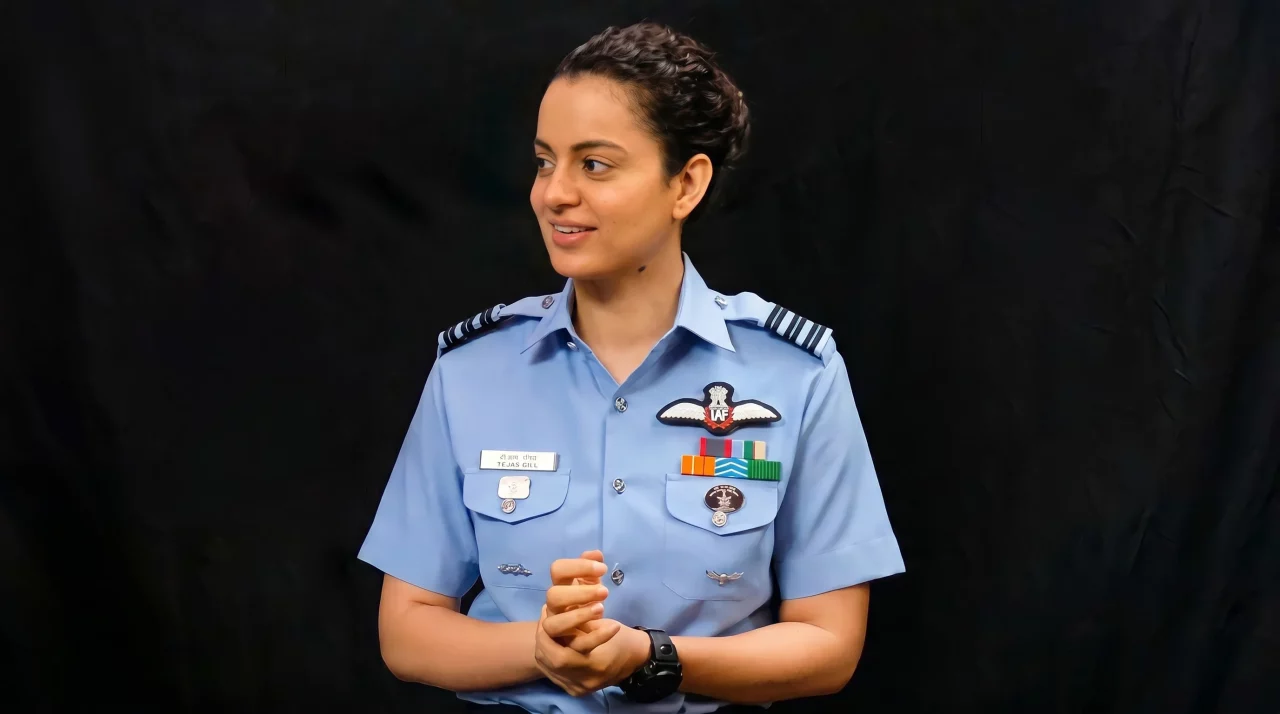
The portrayal of Indian military personnel across various media platforms has long been an important element of Indian entertainment, invoking feelings of patriotism, sacrifice, and national pride. Productions such as “Border,” “Uri: The Surgical Strike,” “Lakshya,” and “Shershaah” frequently present actors donned in military uniforms, prompting a critical legal inquiry: is it permissible for actors to wear uniforms of the Indian Army, Navy, or Air Force on screen? The response to this question is multifaceted.
While Indian law does not impose a comprehensive ban on such portrayals in artistic contexts, specific legal frameworks guide these depictions to ensure the dignified representation of armed forces and to prevent any potential misuse.
The Indian Penal Code, specifically Section 140 (now revised in the Bharatiya Nyaya Sanhita, 2023, to Section 168), is central to this discussion. This provision penalizes individuals who wear military attire with the intent to deceive others into believing they are military members. The crux lies in the intent to mislead; in the context of film and television, actors wearing uniforms do so within fictional narratives, devoid of any real-life impersonation intent. Audiences understand these portrayals as artistic expressions, rendering the law largely inapplicable to such performances.
Similar provisions are found in the Official Secrets Act of 1923, which forbids any unauthorized use of military uniforms to deceive individuals, particularly for entry into restricted areas or any activity detrimental to state security. However, cinematic portrayals do not fall under this scope, as they are executed in defined, non-deceptive environments, meaning actors do not wear these uniforms publicly as civilians.
Additionally, the Emblems and Names (Prevention of Improper Use) Act of 1950 regulates the use of governmental symbols and insignia. While it doesn’t specifically target costumes used in films, improper commercial exploitation of military-related symbols is prohibited, compelling productions to procure permissions when using military emblems or insignia extensively.
In essence, these laws are designed to counteract real-world impersonation rather than to stifle creative expression, allowing cinematic portrayals as long as they do not veer into unlawful territory.
To further clarify these legal boundaries, the Ministry of Defence (MoD) along with specific military branches has instituted a structured three-stage approval process for filmmakers wishing to portray the armed forces. This process involves thorough vetting from pre-production through post-production. Filmmakers must initially submit detailed proposals and scripts to the relevant media wings of the armed services, obtain a sanction letter before filming, and subsequently have the completed work assessed to ensure it upholds the military’s image.
In July 2020, the MoD formally advised the Central Board of Film Certification (CBFC) and other ministries to recommend that producers seeking to depict military themes obtain a No Objection Certificate (NOC) before dissemination. This step was encouraged following complaints about inaccurate representations of military personnel.
While major productions often collaborate with the armed forces to ensure authenticity—benefiting from guidance and resources—disputes can arise regarding perceived inaccuracies or disrespectful portrayals. Such issues usually stem from oversight in research rather than any illegal activities. The MoD emphasizes maintaining the integrity of military representation in all forms of media.
It is also important to note that serving or retired military personnel wishing to participate in acting must secure separate permissions, further reflecting the structured nature of these portrayals.
In conclusion, actors can wear Indian military uniforms on screen as long as there is no intention to deceive and compliance with relevant laws is maintained. However, for productions focused on military themes, obtaining a No Objection Certificate from the Ministry of Defence is essential. This framework successfully balances creative freedom with the obligation to respect the armed forces and maintain public sentiment. Filmmakers are encouraged to initiate collaborations with the relevant military branches early in the production process to ensure both legal adherence and the effective capture of India’s military legacy on screen.


