




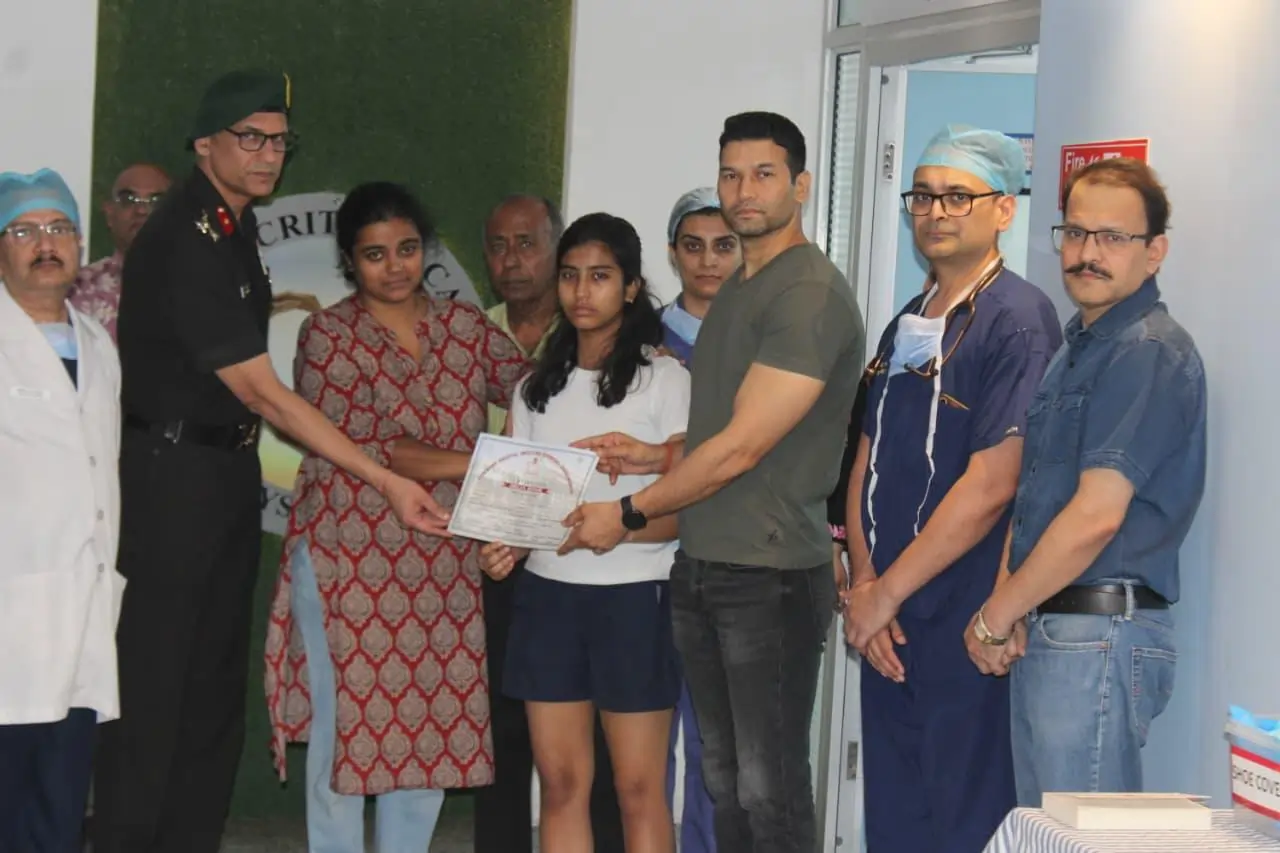
A 14-year-old boy experiencing end-stage heart failure has received a new chance at life through a successful heart transplant in New Delhi, made possible by the selfless decision of a grieving Army family to donate organs. The heart, donated by the 41-year-old wife of a serving Indian Army officer, was made available after she was declared brain dead at Command Hospital, Chandimandir, following a catastrophic brain hemorrhage on May 2, 2026. Demonstrating remarkable courage and compassion, her husband, along with their two young daughters, consented to the donation, allowing multiple lives to be touched.
The heart was allocated to Indraprastha Apollo Hospital, where the young boy had been on a waiting list for a transplant. He had been battling severe cardiac illness for over a year, often requiring hospital admissions to manage his deteriorating health. A heart transplant was deemed his only hope for survival, and he was registered with the National Organ and Tissue Transplant Organisation (NOTTO) just two months prior.
The transplant operation represented a complex and time-sensitive logistical challenge. Upon the heart’s availability, a specialized medical team from Apollo Hospital quickly mobilized, arranging for a chartered private jet to retrieve the organ from Chandigarh, ensuring it remained within the critical cold ischemic time of approximately four hours.
To facilitate the swift transport, multiple agencies worked in tandem. The Haryana Traffic Police, Punjab Traffic Police, and the Airports Authority of India collaborated to provide priority clearances. Upon the heart’s arrival in Delhi, the Delhi Traffic Police created a green corridor from the airport to the hospital, allowing the organ’s transportation to be completed in just 20 minutes.
The transplant surgery concluded successfully late at night, and the boy is currently in stable condition, being closely monitored in the cardiac surgery intensive care unit.
Dr. Mukesh Goel, a Senior Consultant in Cardiothoracic Surgery at Apollo Hospital, highlighted that the boy’s condition had rapidly deteriorated, underlining the significance of having a matching donor heart available in a timely fashion. He stressed the need for restoring blood circulation within a strict four-hour timeframe, showcasing the critical importance of coordination and speed in such life-saving procedures.
Colonel Anurag Garg of Command Hospital, Chandimandir, was recognized for his pivotal role in overseeing and coordinating the organ donation process. Additionally, praise was directed toward the ACS Anytime Anywhere private jet team for their prompt support during this crucial mission.
Apollo Hospital expressed profound gratitude to the donor’s family, the Indian Army, the medical teams, and all supporting agencies for their collective efforts. The hospital emphasized that this case serves as a poignant reminder of the power of organ donation and the coordinated action that can transform tragedy into hope, saving lives in the process.
This life-saving transplant stands as a testament to human compassion, medical excellence, and the profound impact of timely organ donation, granting patients renewed hope for a future.


