




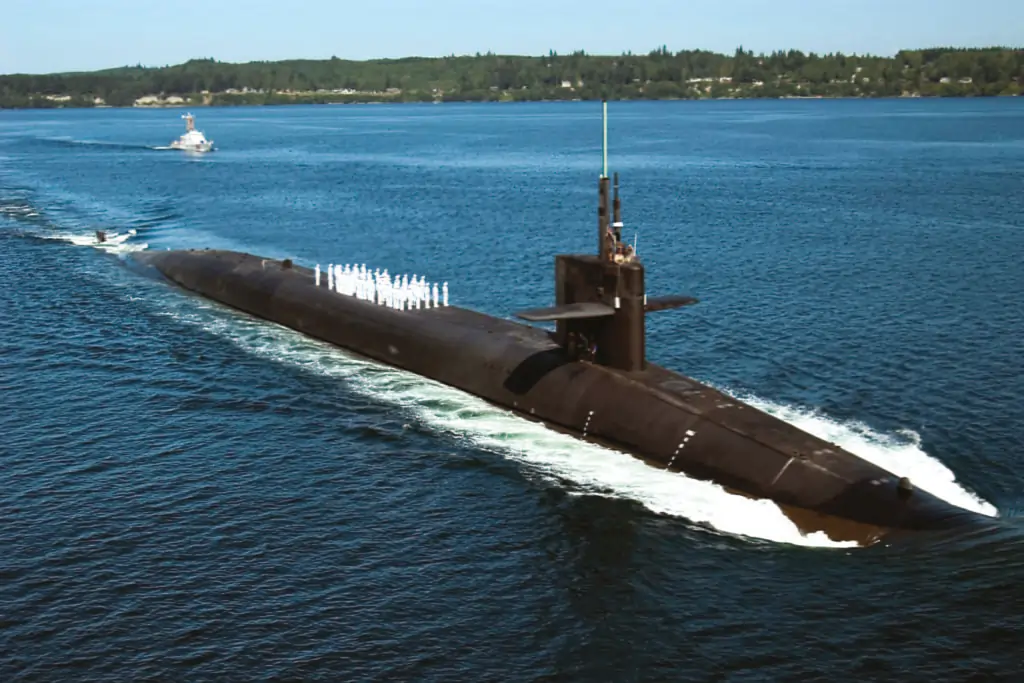
In a significant advancement for India’s maritime security and indigenous defense manufacturing, the Central government is on the brink of approving a ₹70,000-crore initiative known as the Project-75I program. This ambitious project involves the construction of six next-generation conventional submarines for the Indian Navy.
Recent reports indicate that the Union Finance Ministry has given the green light to the proposal, setting the stage for final endorsement by the Cabinet Committee on Security (CCS), which is led by Prime Minister Narendra Modi.
The submarines are slated to be manufactured in Mumbai by Mazagon Dock Shipbuilders Limited (MDL) in collaboration with thyssenkrupp Marine Systems (tkMS). This partnership is built upon a significant technology-transfer agreement designed to bolster India’s self-reliance in submarine production.
These advanced submarines will be based on the German HDW Class-214 design and will incorporate Air Independent Propulsion (AIP) technology. This innovative capability enables the vessels to remain submerged for extended periods, thereby reducing the likelihood of detection by adversaries.
According to the proposed timeline, the first submarine is projected to be delivered seven years after the contract is finalized, with subsequent submarines expected to be inducted at an annual rate of one vessel. Notably, the project stipulates that the first submarine will have a minimum indigenous content of 45%, rising to 60% for the sixth vessel. This directive aligns with India’s broader objectives of defense indigenization.
The significance of Project-75I cannot be overstated, as it is among the most critical naval modernization efforts undertaken by India. It is anticipated to greatly enhance the Navy’s underwater combat capabilities, particularly in light of increasing strategic competition in the Indian Ocean Region. The project gains additional importance as India seeks to bolster its deterrence capabilities against rising naval activities by China while striving to maintain a technological edge in the region.
Moreover, this submarine initiative underscores the deepening defense partnership between India and Germany. In April 2026, Indian Defence Minister Rajnath Singh and his German counterpart, Boris Pistorius, signed a cooperation roadmap in Berlin. This agreement aims to stimulate joint development, co-production, and technological collaboration in the defense sector.
MDL has already made strides in this field, having successfully delivered six Kalvari-class submarines under Project-75 in partnership with France’s Naval Group. The latest addition to this class, INS Vaghsheer, was commissioned in January 2025.
The upcoming Project-75I submarines will enhance India’s existing underwater fleet, which includes indigenous nuclear-powered ballistic missile submarines such as INS Arihant, INS Arighaat, and the newly commissioned INS Aridaman.
Defense officials are optimistic that the Project-75I program will significantly bolster the Indian Navy’s capabilities in conducting stealth operations, executing sea denial missions, gathering intelligence, and ensuring strategic deterrence. This initiative aligns with India’s long-term vision of achieving self-reliance in advanced naval platforms by the year 2047.


