




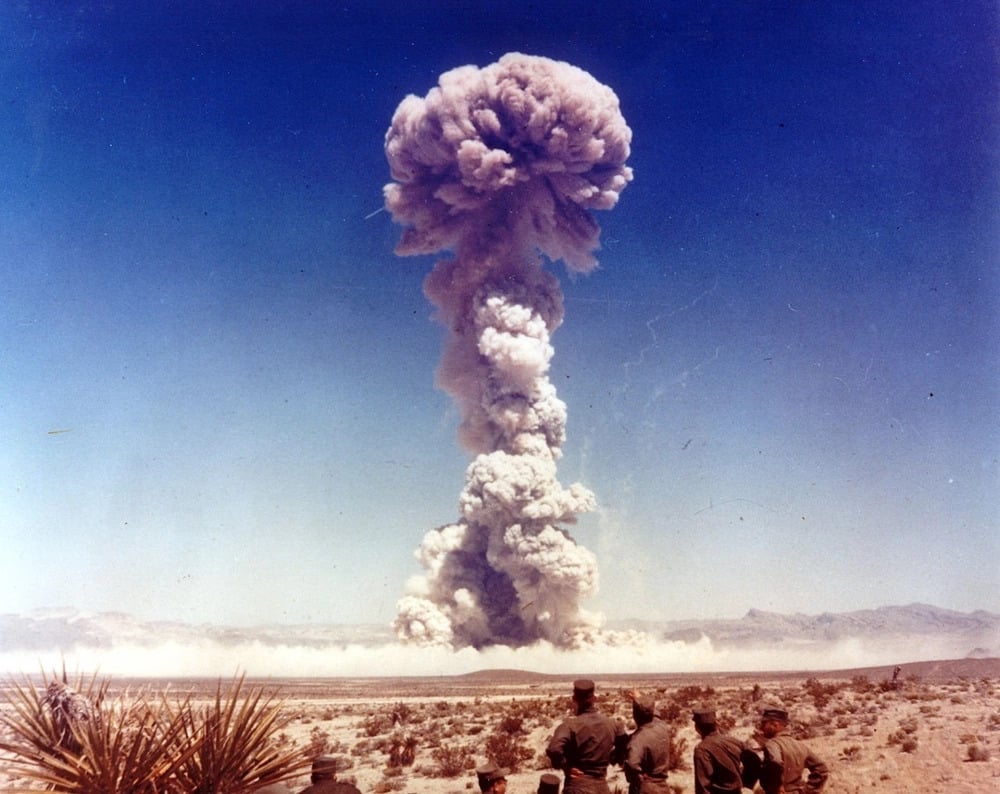
The United States is increasingly recognizing advanced artificial intelligence as a critical national security asset. This perspective has been emphasized by Central Intelligence Agency Director John Ratcliffe, who drew a stark comparison between the capabilities of frontier AI models and nuclear weapons. Speaking at the Amazon Web Services Summit in Washington, Ratcliffe highlighted the serious discussions taking place among the president’s national security and economic security advisors regarding the implications of these powerful AI systems.
Ratcliffe pointed out that the potential impact of these AI technologies is significant enough that it would not be exaggerated to liken them to “digital nuclear weapons.” This analogy underscores the urgency and importance with which the U.S. government is approaching the development and deployment of AI technologies. As countries around the world invest heavily in AI research and capabilities, the U.S. aims to maintain a strategic advantage.
The evolution of AI has prompted security officials to consider not just the technological advancements, but also the geopolitical ramifications. Frontier AI models possess the potential to revolutionize various sectors, including defense, economic stability, and even public safety, thereby altering the global balance of power.
The comments made by Ratcliffe serve as a reminder of the ever-increasing role of technology in national security strategy. As AI capabilities grow, so does the need for careful consideration of the ethical, strategic, and operational implications associated with their use. This perspective represents a notable shift in how artificial intelligence is perceived, transforming it from a tool of innovation to a pivotal component of national defense policy.
The conversation around AI is likely to evolve further as more stakeholders engage in this critical dialogue, reflecting the growing consensus that advanced technologies like AI represent both a significant opportunity and a substantial risk on the world stage.


