




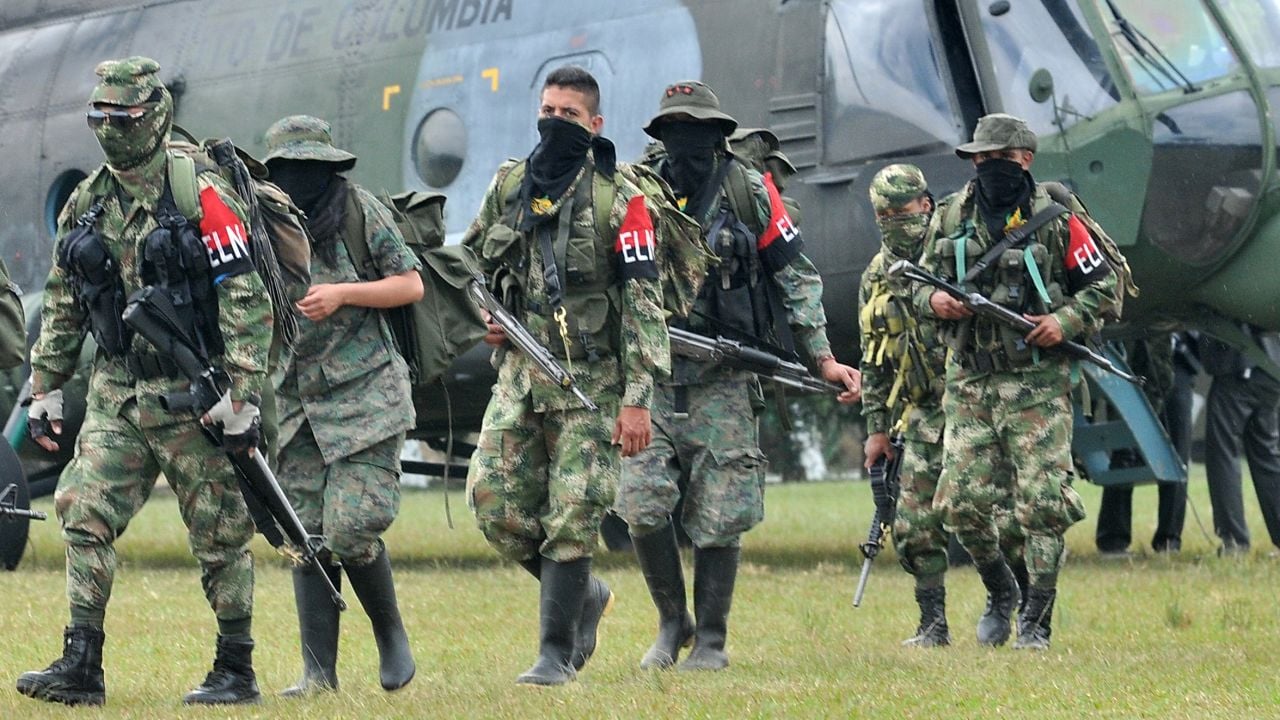
In the complex landscape of modern warfare, conflicts are often characterized by disproportionate levels of power and resources between opposing sides. This phenomenon, known as asymmetric warfare, allows the weaker party to employ unconventional tactics to exploit vulnerabilities within their stronger adversary’s strategy.
Asymmetric warfare diverges from traditional military engagements, where forces meet in set-piece battles. Instead, it focuses on pinpointing critical pressure points such as supply chains, communication networks, and political sensitivities. By disrupting these elements without the need for territorial control, the weaker side can aim for sustained, minimal actions that cumulatively hinder their opponent’s operational effectiveness. This approach often transforms time into a tactical advantage, as the weaker force seeks not necessarily to achieve outright victory but to prolong the conflict, thereby eroding their adversary’s resources, patience, and political resolve.
Historical examples illustrate the effectiveness of such tactics. During the Vietnam War, the Viet Cong successfully evaded large-scale confrontations with U.S. forces, instead opting to disrupt supply routes and communications, which steadily diminished morale and operational capability. Similar strategies were evident in the Afghanistan conflict, where insurgents used roadside improvised explosive devices (IEDs), built clandestine networks within communities, and disseminated propaganda through social media to challenge the technologically advanced coalition forces.
Key characteristics of asymmetric warfare include a clear imbalance of power, unconventional tactics, avoidance of direct confrontations, and the psychological impact of operations designed to disrupt not only military effectiveness but also enemy morale and public perception. For instance, Houthi forces employed drone and missile strikes on commercial shipping in the Red Sea, aiming to disrupt global trade despite lacking significant naval resources.
For weaker entities, asymmetric warfare presents a strategic pathway to compete against more formidable opponents. It allows for flexibility in tactics while emphasizing political and psychological objectives over sheer military dominance. This approach can yield disproportionately advantageous effects from even small successes.
However, the use of asymmetric warfare brings with it significant ethical and operational challenges. Protracted conflicts often occur in urban areas, blurring the lines between combatants and civilians and increasing the risk of collateral damage. For stronger forces countering these asymmetrical tactics, the need for precise military responses becomes critical, as the use of excessive force can lead to legal and ethical dilemmas under international law. The Battle of Mosul serves as a poignant example, where insurgents operated within densely populated regions, forcing coalition forces to navigate the delicate balance between military objectives and civilian safety.
Today, modern asymmetric warfare is seldom isolated; it integrates conventional fighting, cyber operations, and information warfare tactics. Success hinges not only on battlefield results but also on effective narrative control, resilience, and the strategic exploitation of time. Thus, the outcomes of conflicts increasingly depend on the ability to manage perceptions and endurance rather than simply numerical or technological superiority.
Ultimately, asymmetric warfare redefines the dynamics of conflict. By seeking to exploit weaknesses, prolong engagements, and transition the battleground beyond traditional military measures, weaker actors challenge the status quo. As technology and information warfare continue to evolve, asymmetric conflict remains a formidable challenge in contemporary security and defense strategies.


