




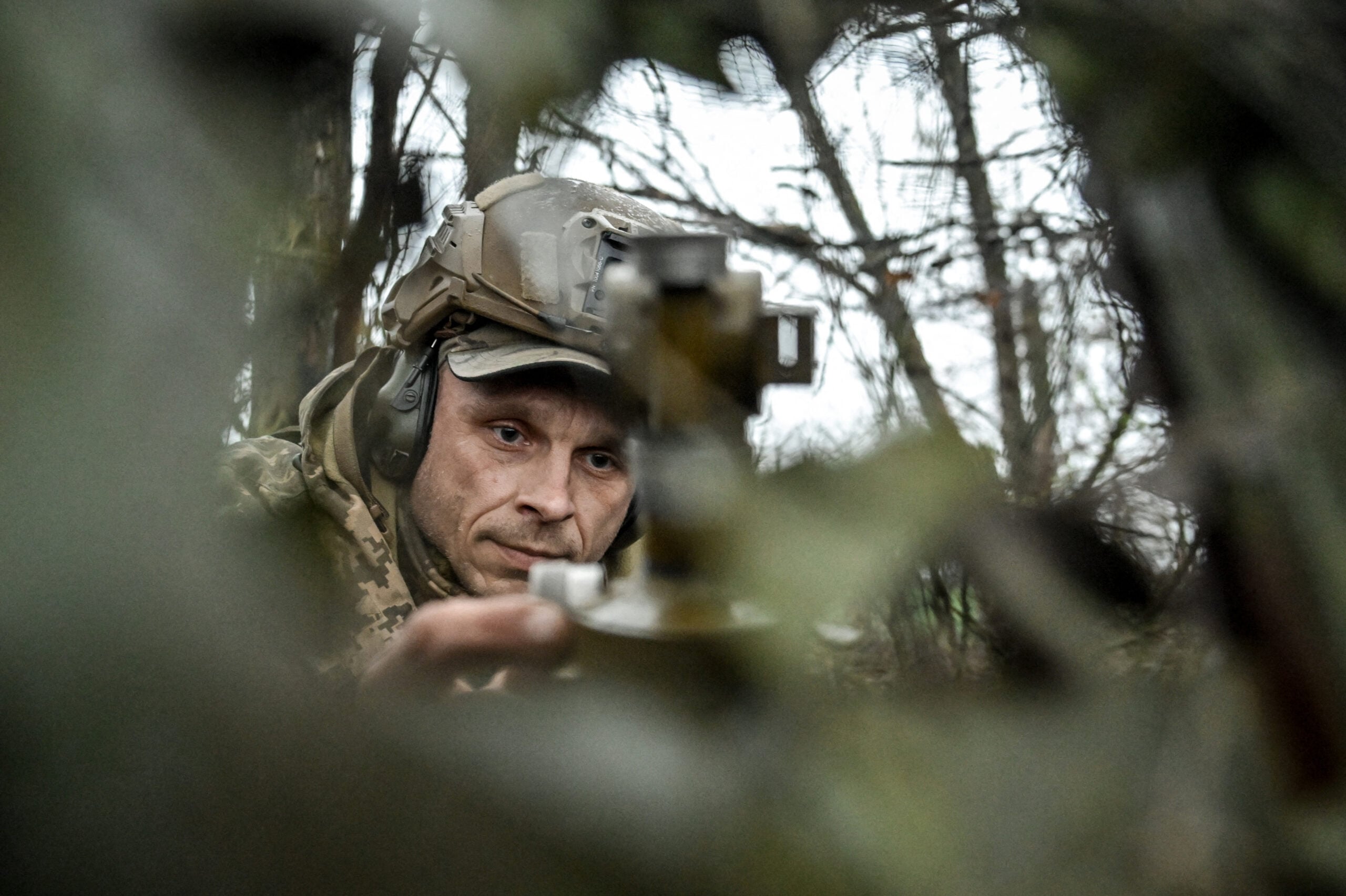
In a significant development in the ongoing conflict between Russia and Ukraine, Russian forces announced the capture of Kostyantynivka, an eastern Ukrainian city considered a vital position on the route to some of the last major urban centers under Ukrainian control in the Donbas region. The city, which housed approximately 78,000 residents prior to the war, has been the focal point of intense fighting since late 2025.
Kremlin spokesman Dmitry Peskov confirmed the capture, stating, “Kostyantynivka has been completely taken. The city is now entirely under our control.” This milestone was reportedly communicated by President Vladimir Putin during a discussion with military officials.
Appearing in military attire in front of his general staff, Putin expressed gratitude toward Russian soldiers for their efforts, highlighting the strategic significance of Kostyantynivka. He remarked, “The Russian armed forces continue to firmly maintain the strategic initiative” at the front lines.
Russian commander Anton Grunis detailed ongoing operations in the area, indicating that forces were actively conducting “search and elimination operations” against remaining Ukrainian soldiers who sought refuge in structures, basements, and ruins throughout the city.
The capture of Kostyantynivka opens a path towards Kramatorsk and Sloviansk, both of which represent critical objectives for Russia in the Donbas region. Peskov further noted that Russian forces have now achieved control over the entire Lugansk region, one of the two main territories in Donbas.
Additionally, Chief of the General Staff, Valery Gerasimov, provided updates on troop movements, stating that Russian forces are now positioned nine kilometers from Zaporizhzhia, a major city in southern Ukraine that had a pre-war population exceeding 700,000. Another commander reported that Russian troops had advanced to within ten kilometers of Sumy, a regional capital in the north home to approximately 250,000 residents before the outbreak of war.
The developments in Kostyantynivka underscore the ongoing shifts in control and military strategies as both sides continue to vie for dominance in the region, raising concerns about the humanitarian impact on the civilian population in areas affected by the conflict.


