




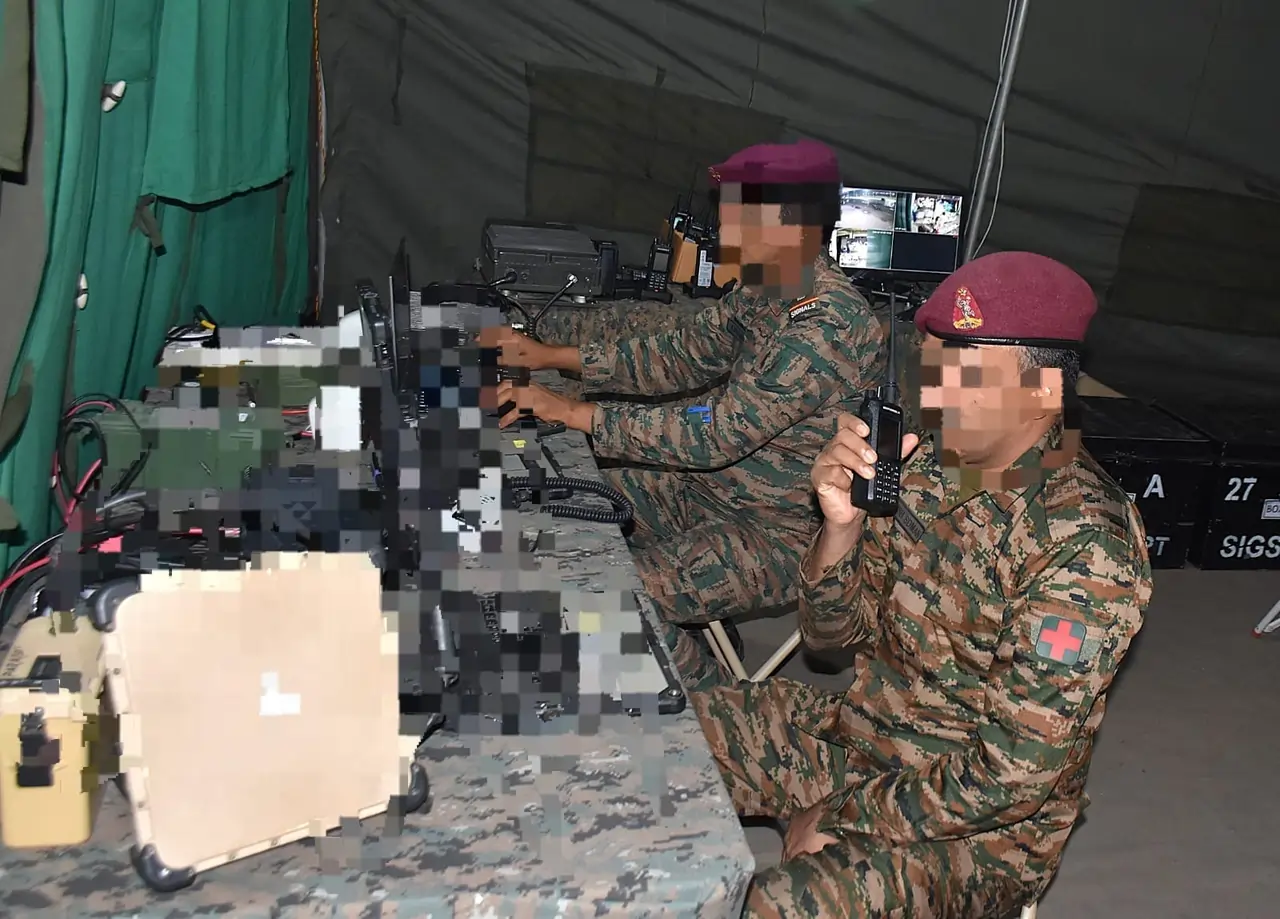
The Indian Army has showcased its advanced technological capabilities during Operation Amistad, which aimed to establish a field hospital in Venezuela following a devastating earthquake. This operation underscores India’s role as a reliable first responder in humanitarian crises.
The Shatrujeet Brigade Communication Task Force played a pivotal role in the mission by deploying state-of-the-art communication and surveillance systems. These technologies were essential for ensuring uninterrupted medical support amid challenging conditions inherent in disaster zones.
Drone reconnaissance was a key component of the operation, allowing for rapid aerial mapping to identify a secure location for the field hospital. Furthermore, OneWeb satellite internet facilitated high-speed connectivity, overcoming the widespread damage to local communications infrastructure caused by the earthquake. The deployment of tactical radio networks ensured seamless coordination among various teams on the ground, while advanced security surveillance systems allowed for continuous monitoring of the hospital, enhancing patient management.
In addition to these efforts, the task force utilized satellite communication systems to maintain secure lines with higher command, ensuring effective oversight and coordination. Telemedicine facilities were also established, allowing patients in Venezuela to connect with medical specialists in India for real-time consultations. This integration of technology significantly enhanced the quality of medical care provided to those affected by the disaster.
Through the combination of advanced communication, surveillance, and digital healthcare technologies, the Indian Army not only demonstrated exceptional operational agility and resilience but also reinforced its commitment to global disaster relief. This mission highlights India’s growing role in international humanitarian response efforts, illustrating the capabilities and preparedness of its armed forces in addressing such crises.


