




Modern fighter aircraft are evolving, focusing not just on speed and agility but increasingly on stealth and the capability to carry advanced weaponry undetected into contested airspace. One prominent advancement in this field is the Joint Strike Missile (JSM), a sophisticated air-launched precision strike missile developed by Kongsberg Defense & Aerospace of Norway.
The JSM is designed for long-range engagements against both maritime and land-based targets, and its specifications highlight what makes it a significant asset in modern warfare. At 4 meters long and weighing 416 kilograms, the missile is engineered to achieve high subsonic speeds and has an operational range exceeding 275 kilometers. Its design emphasizes internal compatibility with the F-35 Lightning II’s weapons bay, allowing the stealth aircraft to maintain its low-observable profile during combat missions.
### Origins and Development
The JSM traces its roots back to Norway’s Naval Strike Missile (NSM), which was originally developed as a survivable anti-ship missile. Recognizing the absence of a suitable long-range strike missile that could fit within the internal compartment of the F-35 without sacrificing stealth, Kongsberg initiated the JSM program in April 2009, with funding mainly provided by Norway.
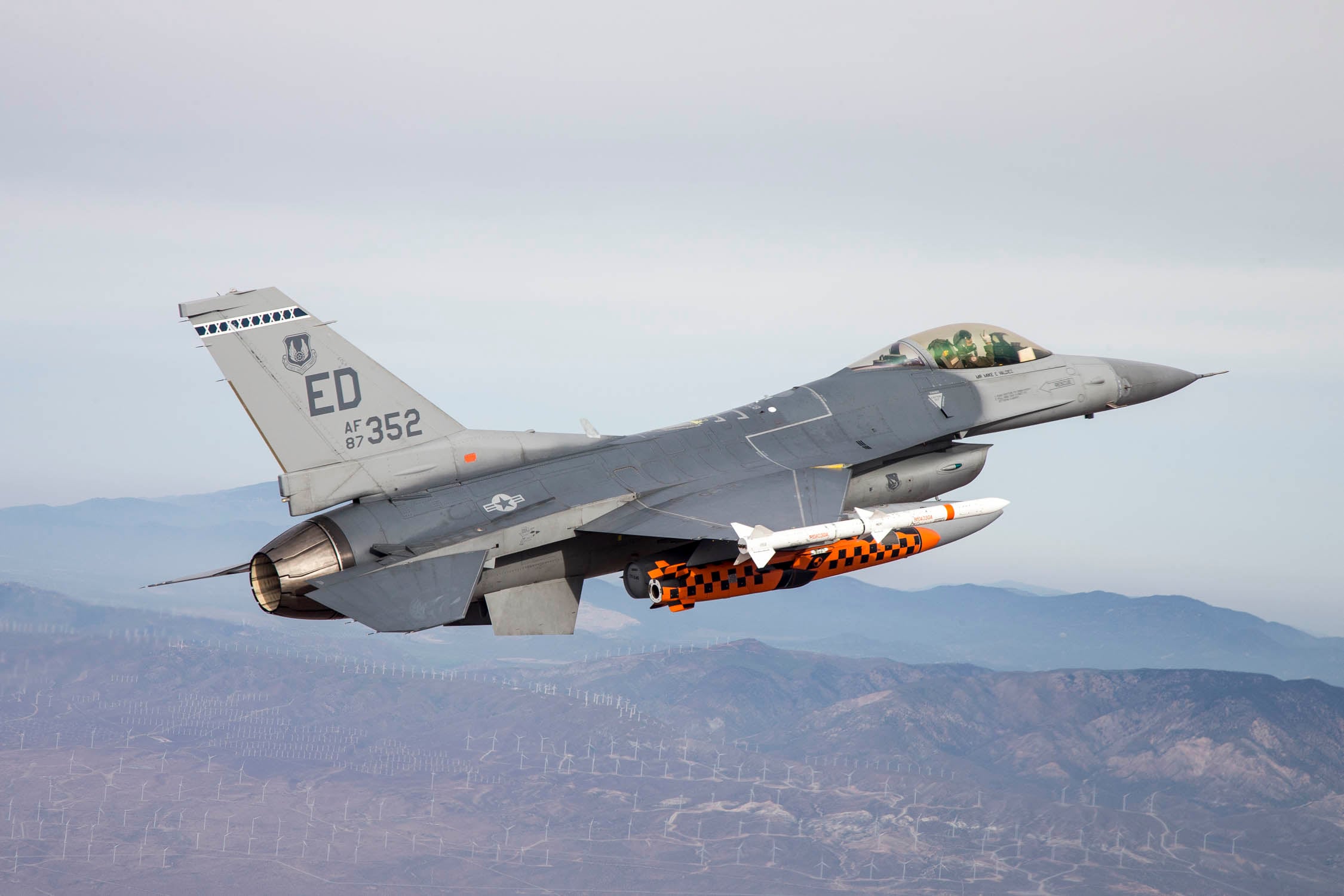
Testing milestones for the JSM include ground testing that started in 2012, followed by captive-carry trials on an F-16 in early 2015, and a successful live-fire test in November of the same year. The missile completed its qualification in 2018, aligning its integration with the F-35’s software updates. In February 2021, the first drop test from an F-35A took place, and Norway is expected to receive its first operational systems by April 2025.
### Compatibility with Modern Platforms
A standout feature of the JSM is its compatibility with the F-35 Lightning II. The aircraft’s fifth-generation capabilities are greatly enhanced by the missile’s design, which prioritizes low radar visibility and compact dimensions. This allows for internal carriage—crucial in preserving stealth while engaging targets.
The JSM is equipped with advanced guidance systems that include GPS, inertial navigation, terrain-reference systems, and an imaging infrared seeker, providing precise target engagement capabilities at long ranges. The missile is versatile, able to strike both maritime and land-based infrastructure, which broadens its operational applications.
### Strengths and Limitations
Among the JSM’s strengths are its stealth-oriented design and multi-target flexibility. Its low-observable shape and sea-skimming flight profile drastically improve the missile’s survivability against modern air defense systems. Additionally, the imaging infrared seeker enhances its targeting accuracy and resistance to electronic countermeasures.
However, some limitations exist. The JSM carries a relatively small warhead compared to larger cruise missiles, limiting its destructive capability on impact. Furthermore, its advanced guidance systems contribute to high procurement costs, and the missile often requires air superiority conditions to operate effectively, relying on broader airpower strategies.
### Strategic Importance and Future Outlook
Norway is currently the primary operator of the JSM, but interest is growing among other F-35 operators, including countries like Germany, Belgium, and Japan, all seeking to enhance their long-range strike capabilities. Nations such as Poland, Australia, and the United States are also exploring options to integrate or procure the missile, particularly for operations in the Indo-Pacific region.
As military strategies evolve to emphasize survivable long-range precision strike capabilities, the JSM is poised to become increasingly important in future airpower planning within NATO and beyond. Potential future developments may include improved networking capabilities and enhanced coordination with other long-range strike systems, reinforcing its role in the changing landscape of modern combat operations.
The JSM exemplifies the ongoing shift towards integrating advanced technologies into combat platforms—a necessity in an era where stealth and precision are paramount. As militaries worldwide adapt to these new realities, the role of missiles designed for stealth aircraft like the JSM will undoubtedly gain significance.


