




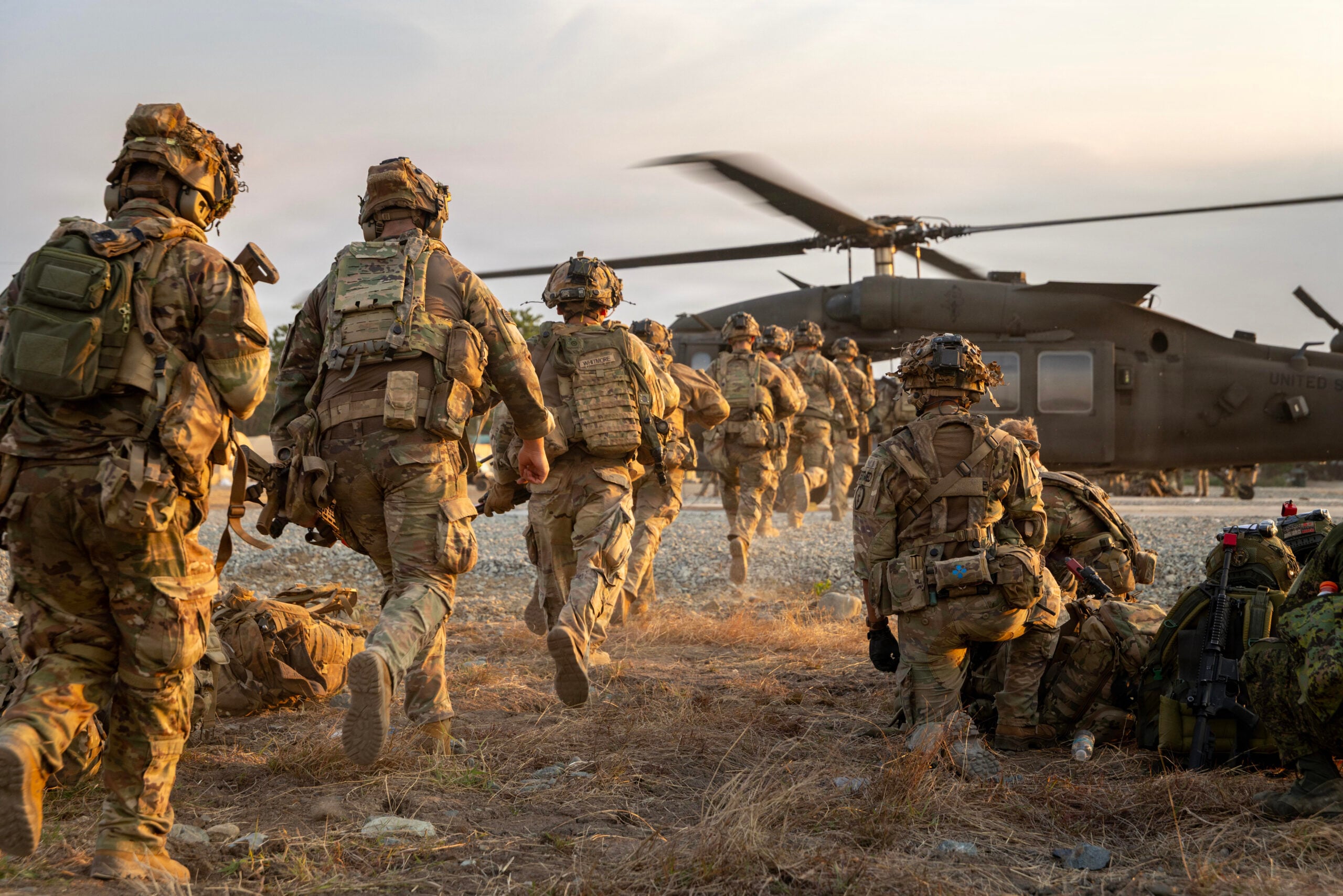
In a closely watched vote, the US House of Representatives approved the 2027 National Defense Authorization Act (NDAA) on Wednesday, authorizing a record $1.15 trillion in Pentagon funding. The bill passed with a tight margin of 216 to 212, highlighting the increasing polarization in Congress, particularly during President Donald Trump’s administration.
This year’s NDAA marks a significant financial increase, providing approximately $250 billion more than the previous year’s defense budget, and includes provisions for a 5-7 percent pay raise for service members. House Speaker Mike Johnson emphasized the importance of the legislation, stating that it delivers much-needed support for military personnel, enhances nuclear deterrence, and strengthens missile defense capabilities through the proposed Golden Dome system, which aims to safeguard the US mainland.
The Golden Dome project draws inspiration from Israel’s Iron Dome and is seen as a critical enhancement to national security in an era of regional tensions, particularly amid the ongoing conflict with Iran. The House Armed Services Committee Republicans echoed this sentiment, asserting that the defense bill is necessary to replenish depleting military stockpiles as the US continues its active engagement in the conflict.
On the other side of the aisle, skepticism and discontent are palpable among Democrats. Representative Jerry Nadler voiced strong opposition, condemning the NDAA as a vehicle for “out-of-control military spending” and labeling it a “costly, bad bill” that purportedly funds an “illegal war” and undermines democratic principles.
The contentious atmosphere surrounding the NDAA was further inflamed by the inclusion of Trump’s “SAVE America Act,” which proposes nationwide voting restrictions. This addition to the NDAA, achieved through a procedural tactic, has provoked backlash from Democrats, complicating the bill’s path to approval in the Senate.
Furthermore, recent discussions have ignited controversy over the NDAA’s provisions aimed at fostering increased military cooperation between the United States and Israeli armed forces, reflecting the broader geopolitical implications of the bill.
As the NDAA heads to the Senate, debates are expected to intensify, particularly given the contentious provisions and the stark divisions in Congress regarding military expenditure and international engagements.


