




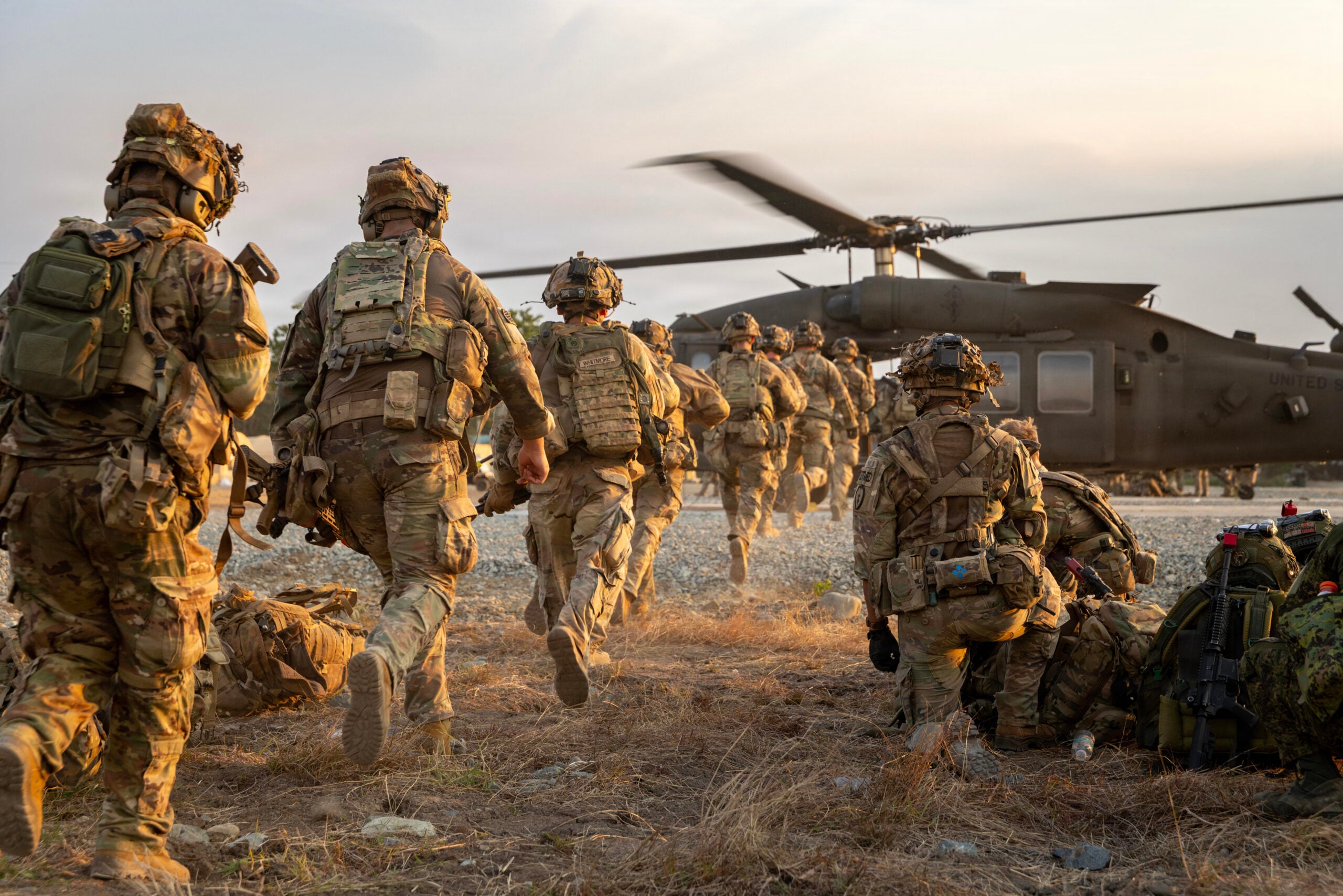
In the realm of international relations, how states exert influence can be categorized into three distinct yet interrelated strategies: hard power, soft power, and smart power. Understanding these concepts is crucial for analyzing contemporary geopolitical dynamics.
Hard Power is characterized by the use of military force or coercive pressure to achieve a state’s objectives. This can manifest in various forms, including military operations, airstrikes, naval deployments, economic sanctions, and arms buildups. The intent behind hard power is typically to compel certain behaviors through the display of strength or the threat of repercussions.
A prime example of hard power can be seen in the deployment of U.S. carrier strike groups in contested areas like the South China Sea. The presence of these advanced military assets serves as a tool for deterrence and projection of strength without necessitating active engagement. Similarly, Russia’s military actions in Ukraine represent a clear application of hard power through missile strikes and armored offensives.
In contrast, Soft Power leverages attraction and influence rather than coercion. Rather than forcing compliance, states utilizing soft power cultivate perceptions through diplomacy, culture, aid programs, and collaborative initiatives. Within a defense context, soft power can be exhibited through military training partnerships, humanitarian assistance, defense diplomacy, and peacekeeping efforts.
An illustrative case of soft power is Japan’s increasing involvement in maritime assistance programs in Southeast Asia. By aiding regional coast guards with training and equipment, Japan fosters stronger relationships in the region without resorting to military intimidation. Additionally, humanitarian missions undertaken by military forces during crises often enhance a nation’s global image and facilitate strategic partnerships.
Smart Power represents a blend of hard and soft power techniques, integrating military capabilities with diplomatic and economic strategies. This approach refrains from relying solely on force or diplomacy, instead emphasizing a coordinated effort to achieve broader objectives. The concept, popularized by political scientist Joseph Nye, has notably influenced American foreign policy, particularly during the Obama administration.
A quintessential example of smart power is NATO’s strategy in Eastern Europe. The alliance demonstrates military readiness while simultaneously engaging in diplomacy, intelligence sharing, and coordinated sanctions against aggressive actions. Furthermore, nations often utilize arms exports and joint military exercises as tools to fortify their influence without engaging in direct conflict.
The relevance of these concepts extends beyond theoretical discourse; they are vital for understanding modern defense strategies that hinge on balancing military might and diplomatic influence. Hard power can act as a deterrent against immediate threats; however, soft power is essential for fostering long-term alliances and legitimacy. Smart power aims to harmonize both approaches, ensuring a more holistic strategy.
This dynamic is exemplified in the ongoing competition between the United States and China. China has been actively investing in soft power through infrastructure projects and development financing while concurrently modernizing its military capabilities and fortifying islands in the South China Sea. In response, the United States has combined elements of hard power, such as military presence and alliance reinforcement, with diplomatic and economic measures—illustrating a practical application of smart power, albeit not without challenges. The effectiveness of this balance will significantly shape the global security landscape in the coming decades.


